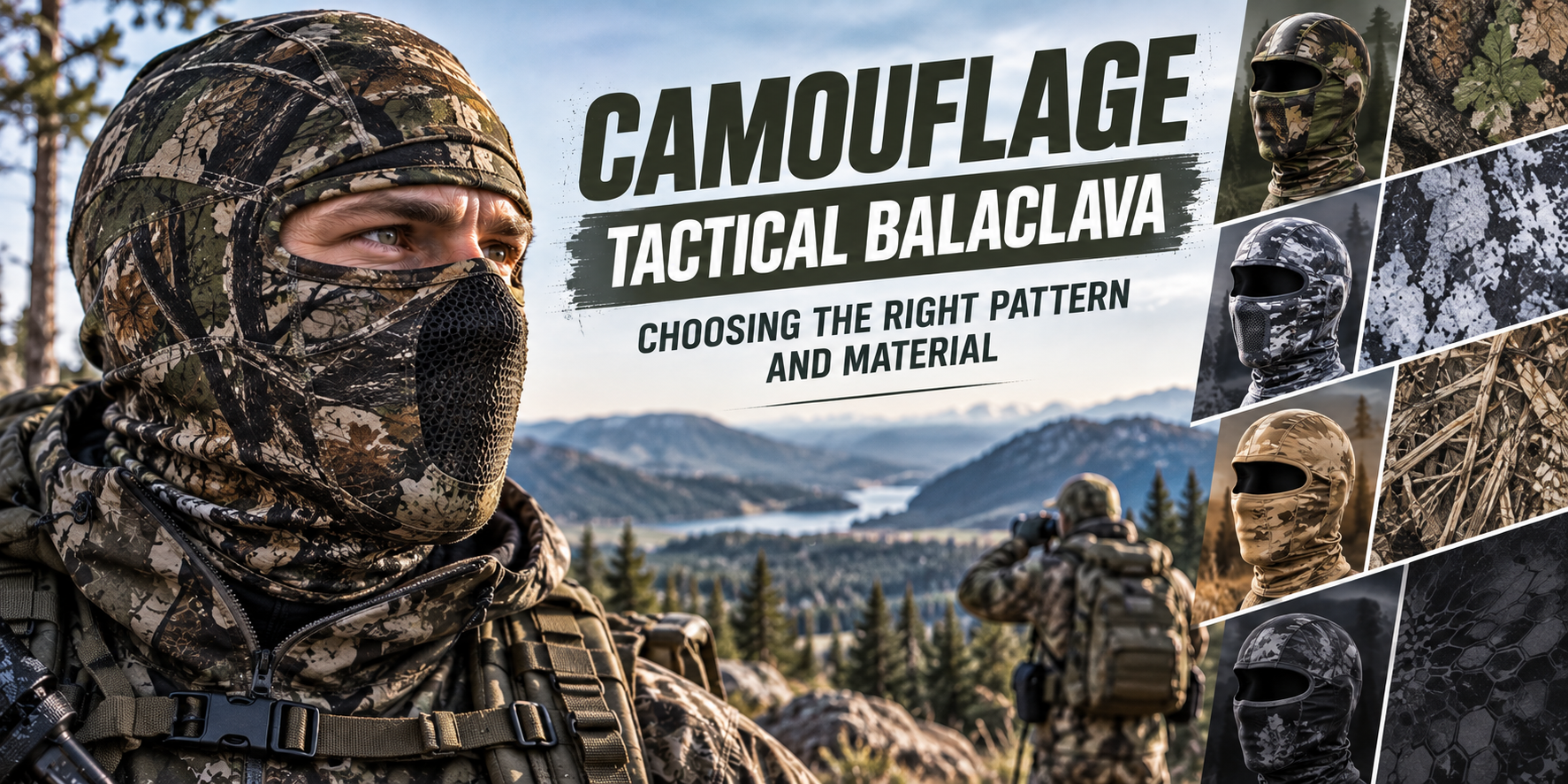
A camouflage tactical balaclava should be effective for the outdoors, have the right pattern, fabric, breathability, and fit. The pattern should complement the surroundings and the material should match the weather and activity. So, woodland colors can be used around plants, and brown or tan patterns can be used in dry areas. But look should never be the only factor in your decision. Other factors that influence the performance of the balaclava during hunting, hiking, tactical training, and other outdoor activities include moisture control, stretch, helmet compatibility, durability, and comfort.
For logo options on each fabric, see our guide to balaclava logo and decoration methods.
Match the Pattern to the Environment
The best camouflage is when the color and shape of the object blend in with the environment. Woodland designs typically feature green, brown, and darker hues, while desert designs tend to be tan, beige, and muted brown. Rocky areas and some low-light situations can work well with grey or darker patterns. So, select a camouflage tactical balaclava based on the type of terrain you will be using it in the most. Also, take into account seasonal variations as green vegetation can turn brown or grey in autumn and winter.
Recognize the size and contrast of patterns.
The scale of the pattern is important, as well as the color. At longer distances, large shapes can help to break up solid areas, and at closer distances, smaller patterns can provide more visual detail. But if there is a strong contrast between the colors, it can stand out if it is not the same color as the surroundings. So, balanced tones tend to be more versatile. Our balaclava guide covers the various uses of balaclavas and how camouflage-style headwear fits into outdoor, winter, and tactical applications.
Choose Material for Your Activity Level
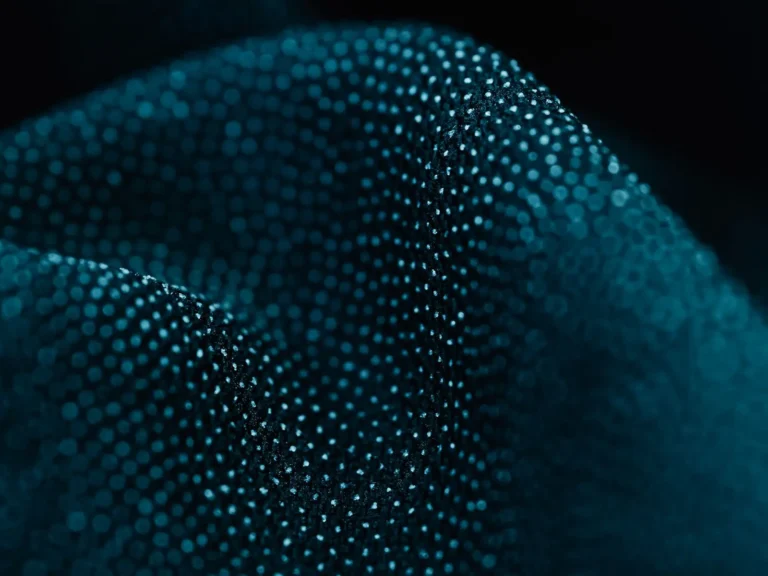
Fabric influences warmth, air flow, stretch, drying time and durability. For active outdoor activities, lightweight polyester or nylon blends are typically the best choice as they dry quickly and offer greater mobility. In colder weather, fleece offers greater insulation, while merino wool offers helpful temperature regulation. Thus, the appropriate camouflage tactical balaclava should be suitable for the climate and physical activity. For instance, a hunter who sits for extended periods during the winter will require more insulation than a hiker who walks continuously in the same conditions.
When using the product, focus on breathability.
Walking, climbing, cycling, hunting, and tactical training can quickly increase body temperature. This can cause a buildup of heat around the head and face, which can lead to overheating. A breathable camouflage tactical balaclava should be able to release warm air and moisture vapor while still providing a good amount of coverage for the face. Furthermore, lighter panels around the nose and mouth can enhance ventilation. But extremely open mesh can offer less protection from wind, dust and cold, so manufacturers need to strike a balance between ventilation and protection.
Look for Moisture-Wicking Performance
A balaclava can become uncomfortable when worn outdoors for long periods of time. So, opt for fabric that wicks sweat from the body and dries quickly. Performance blends, nylon, and polyester can be more moisture resistant than standard cotton. Furthermore, fast-drying material can enhance comfort when switching from high-intensity activity to prolonged periods of rest. We have a fabric guide that covers the most common fabrics used for balaclavas, and how the choice of fabric affects comfort and performance.
Check Stretch and Face Fit
A camouflage tactical balaclava should remain in place when turning your head, moving through vegetation, or adjusting other equipment. So, stretch fabrics can enhance movement and shape retention. Polyester-spandex and nylon-spandex combinations can offer a snug fit without being too constricting. Furthermore, the eye opening should not move into your line of sight. A smooth fit can also help to avoid bunching of fabric under hats, helmets, or jacket collars.
If you are looking for a custom pattern, you should also take this into account.
Not all camouflage is created equal, and not all brands are appropriate for all environments. Thus, custom printing can assist users to match specific colors, graphics, or terrain-inspired patterns. Mr Balaclava’s camo, solid color, two-tone, brand-specific, and multiple material options are available. This versatility can be used to develop patterns for woodland, mountain, dry-ground or other collections for outdoor brands. But buyers should not just look at graphics, they should look at the practical performance of the fabric.
Match fabric weight to the weather
The weight of the fabric is a significant factor in temperature control. Lightweight fabrics tend to work best in warm weather and high-output activities, and medium-weight fabrics offer a more balanced level of protection in cooler weather. Fleece and heavier knits offer more winter protection. So, a camouflage tactical balaclava should be of a weight that corresponds to the temperature that is expected. Furthermore, excessive thickness should be avoided as bulky materials can cause pressure around the forehead, temples or ears.
Consider durability outdoors
Outdoor headwear can be subjected to a lot of stress from branches, equipment straps, repeated washing, sweat, and regular stretching. So, it’s important to have durable fibers and secure stitching. Nylon is resistant to abrasion and quality polyester blends can hold up to repeated use. Furthermore, sublimated printing can be used to print intricate patterns directly into the appropriate synthetic fabric rather than forming a thick surface layer. This can help keep things flexible and still have detailed camouflage graphics.
For detailed camouflage, think about using sublimation.
Sublimation printing is ideal for printing intricate designs and colors over a wide area of fabric, which can be beneficial for creating customized camouflage designs. The nylon balaclava is a lightweight nylon hat with customizable sublimated printing for outdoor and active use. This kind of product can be effective when customers are looking for detailed patterns but don’t want to compromise on stretch or breathability. But, when choosing a fabric print, always check the weight and construction of the fabric against the climate in which it will be used.
Ensure that the helmet and eyewear are compatible.
A tactical face covering may be required to be worn in conjunction with caps, helmets, glasses, goggles, or hearing protection. So, the seams around the temples and ears should be smooth. A low-profile camouflage tactical balaclava will help to alleviate unnecessary pressure under a helmet while maintaining the pattern around exposed areas. Furthermore, the eye opening should not obstruct eyeglasses or form loose folds around the frame. Testing all equipment together provides a better indication of comfort than testing the balaclava alone.
How to Choose the Right Combination
Start with the environment, then choose the fabric. For woodland conditions, consider greens and browns; for dry environments, consider tan and earth tones. Next, match fabric weight to temperature and activity. Finally, evaluate moisture management, stretch, durability, and equipment compatibility. The ideal camouflage tactical balaclava combines an appropriate visual pattern with material that supports real outdoor performance rather than treating camouflage as decoration alone.
Final Thoughts
Choosing a camouflage tactical balaclava requires balancing pattern, material, weather protection, breathability, fit, and durability. Therefore, select camouflage colors according to your environment and fabric according to your activity level. Lightweight synthetics can support high-output outdoor use, while fleece or heavier fabrics provide additional warmth in colder weather. Moreover, stretch, moisture control, smooth seams, and helmet compatibility can improve long-term comfort. When pattern and material work together, the balaclava becomes a more practical part of an outdoor clothing system.
FAQs
Which camouflage pattern works best outdoors?
The right pattern depends on the environment. Green and brown combinations suit many woodland settings, while tan and muted brown can work better in dry terrain.
What material works well for camouflage printing?
Polyester and nylon-based fabrics can work well with suitable sublimation techniques. They can also provide lightweight performance, stretch, and quick drying.
Are camouflage balaclavas suitable for hunting?
They can suit hunting and outdoor activities when the pattern matches the environment. However, always follow local hunting visibility and clothing requirements.