
Material Library · Shell fabrics
Shell & Waterproof Fabrics
The shell is the outer layer of a ski jacket, pant or suit: the fabric that meets snow, wind and wear. This page covers the woven shells we use (pongee, taslan, ripstop, oxford and stretch wovens) and how they are made waterproof, with a PU coating or a laminated membrane in ratings from 5K to 20K and fully taped seams.
Updated

- 50 pcsMinimum order
- 14 daysStandard lead time
- OEKO-TEX®Fabrics from certified mills
- ISO 9001Certified (Eco Jersey Limited)
- SedexMember (Eco Jersey Limited)
Shell fabrics
Shell fabrics we work with
Open a fabric to see what is typical for it and what we confirm for your order.
Shell & Waterproof Fabrics
Polyester Pongee Shell
A smooth, tightly woven polyester plain weave and one of the most common outer fabrics for ski jackets, pants and kids' ski wear. It takes a…
WovenPlain weave (pongee, taffeta)Lightweight
- Warmth
- Low
- Breathability
- Moderate
- Stretch
- Low

Shell & Waterproof Fabrics
Recycled Polyester Shell (rPET)
A woven shell fabric made from recycled polyester, usually from plastic bottles, in a pongee, twill or ripstop weave. It is coated or laminated like any…
WovenLightweight
- Warmth
- Low
- Breathability
- Moderate
- Stretch
- Low

Shell & Waterproof Fabrics
Nylon Taslan Shell
A nylon woven from air-textured yarn, which gives it a matt, slightly cotton-like face and good abrasion resistance. Used for ski pants, snowboard wear and hard-wearing…
WovenTaslanMidweight
- Warmth
- Low
- Breathability
- Moderate
- Stretch
- Low

Shell & Waterproof Fabrics
Ripstop Shell Fabric
A woven fabric with thicker yarns set into a small grid, so a small tear usually stops at the next line instead of running. Light and…
WovenRipstopLightweight
- Warmth
- Low
- Breathability
- Moderate
- Stretch
- Low
Shell & Waterproof Fabrics
Stretch Woven Shell
A woven outer fabric with elastane or mechanical-stretch yarns, so fitted ski pants and jackets move with the body. It is often laminated to a membrane…
WovenStretch wovenMidweight
- Warmth
- Low
- Breathability
- Moderate
- Stretch
- High
Shell & Waterproof Fabrics
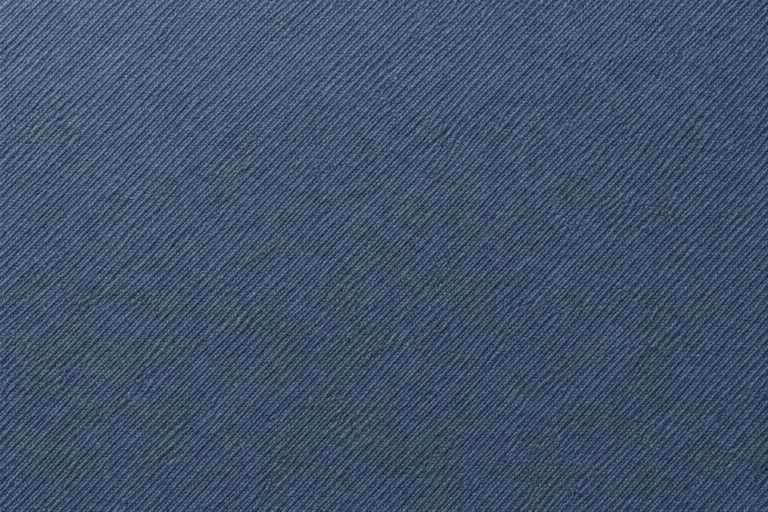
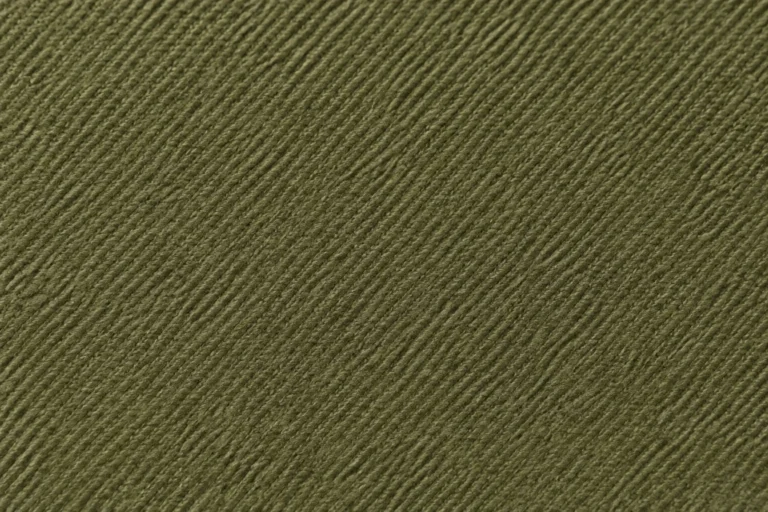
Peached Polyester Twill (Peach Skin)
A fine polyester twill whose face is lightly sanded (peached) for a soft, matt, almost cotton-like feel. Coated or laminated for waterproofing, it gives snowboard jackets…
WovenTwillMidweight
- Warmth
- Low
- Breathability
- Moderate
- Stretch
- Low
Shell & Waterproof Fabrics
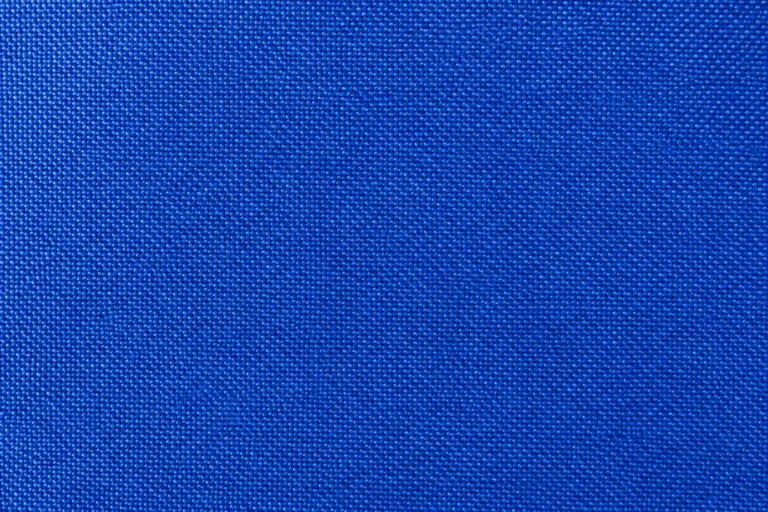
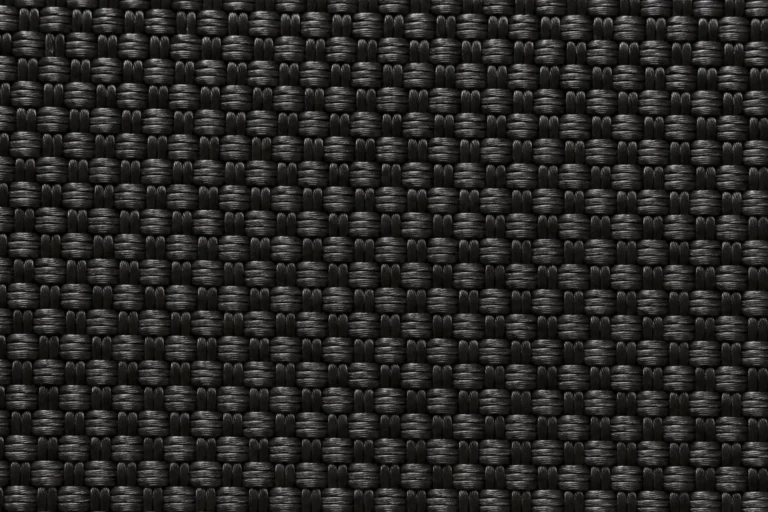
Nylon Oxford (Reinforcement Panels)
A heavy basket-weave nylon used where ski wear takes the most wear: kick patches inside the pant legs, seat and knee panels, cuffs and shoulder reinforcements.
WovenOxfordHeavyweight
- Warmth
- Low
- Breathability
- Low
- Stretch
- Low

Shell & Waterproof Fabrics
PU-Coated Waterproof Shell
A woven shell with a polyurethane coating on the back that makes it water-resistant or waterproof, depending on the coating. It is a lower-cost route to…
WovenMidweight
- Warmth
- Low
- Breathability
- Moderate
- Stretch
- Low

Shell & Waterproof Fabrics
2-Layer Laminated Shell
An outer fabric bonded to a waterproof-breathable membrane, with a separate hanging lining of mesh, taffeta or fleece that protects the membrane. The classic build for…
Bonded / laminated2-layer laminateMidweight
- Warmth
- Low
- Breathability
- High
- Stretch
- Low

Shell & Waterproof Fabrics
2.5-Layer Laminated Shell
An outer fabric bonded to a waterproof-breathable membrane, with a thin printed protective layer on the inside instead of a separate lining. Lighter and more packable…
Bonded / laminated2.5-layer laminateLightweight
- Warmth
- Low
- Breathability
- High
- Stretch
- Low
Shell & Waterproof Fabrics
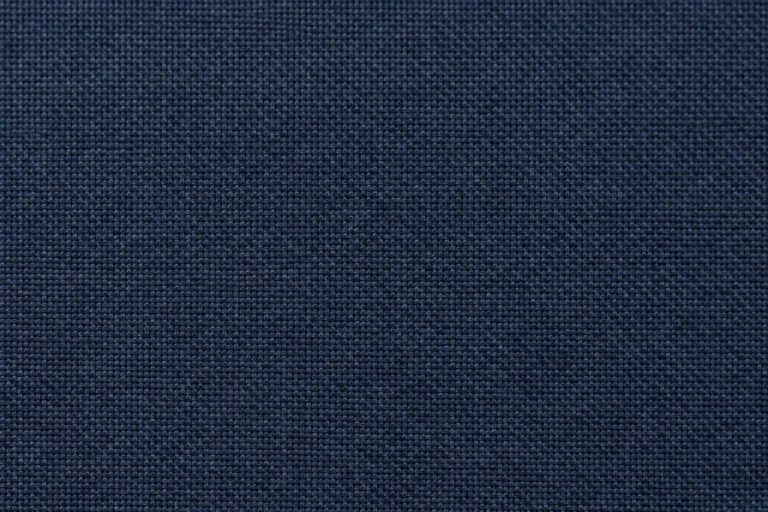
3-Layer Laminated Shell
Face fabric, waterproof-breathable membrane and a thin tricot backer bonded into one fabric. Usually lighter, tougher and more breathable than a lined shell, it is a…
Bonded / laminated3-layer laminateMidweight
- Warmth
- Low
- Breathability
- Very high
- Stretch
- Low

Shell & Waterproof Fabrics
Seam Sealing Tape (Taped Seams)
A narrow waterproof tape heat-bonded over the stitched seams of a coated or laminated garment, to help stop water getting in through the needle holes. Fully…
Lightweight
At a glance
Shell fabrics compared
Typical characteristics relative to the other fabrics in the library.
| Fabric | Construction | Weight class | Warmth | Breathability | Stretch | Moisture management | Typical products |
|---|---|---|---|---|---|---|---|
| Softshell (Bonded Performance Fabric) | Softshell | Heavyweight | High | Moderate | High | Moderate | Balaclavas, Ski wear, Caps & hats |
| Polyester Pongee Shell | Woven, Plain weave (pongee, taffeta) | Lightweight | Low | Moderate | Low | Low | Ski wear |
| Recycled Polyester Shell (rPET) | Woven | Lightweight | Low | Moderate | Low | Low | Ski wear |
| Nylon Taslan Shell | Woven, Taslan | Midweight | Low | Moderate | Low | Low | Ski wear, Caps & hats |
| Ripstop Shell Fabric | Woven, Ripstop | Lightweight | Low | Moderate | Low | Low | Ski wear |
| Stretch Woven Shell | Woven, Stretch woven | Midweight | Low | Moderate | High | Low | Ski wear |
| Peached Polyester Twill (Peach Skin) | Woven, Twill | Midweight | Low | Moderate | Low | Low | Ski wear |
| Nylon Oxford (Reinforcement Panels) | Woven, Oxford | Heavyweight | Low | Low | Low | Low | Ski wear |
| PU-Coated Waterproof Shell | Woven | Midweight | Low | Moderate | Low | Low | Ski wear |
| 2-Layer Laminated Shell | Bonded / laminated, 2-layer laminate | Midweight | Low | High | Low | Moderate | Ski wear |
| 2.5-Layer Laminated Shell | Bonded / laminated, 2.5-layer laminate | Lightweight | Low | High | Low | Moderate | Ski wear |
| 3-Layer Laminated Shell | Bonded / laminated, 3-layer laminate | Midweight | Low | Very high | Low | High | Ski wear |
| Seam Sealing Tape (Taped Seams) | Lightweight | – | – | – | – | Ski wear | |
| Quilted Nylon | Quilted, Woven | Midweight | High | Low | Low | Low | Ski wear, Caps & hats |
Waterproofing
How a shell becomes waterproof
A woven fabric on its own is not waterproof. It becomes waterproof through a coating or a membrane on the back, and stays dry inside only when the seams are sealed too. The rating is specified for each order; the ranges below are typical, not fixed.
| Build | How it works | Typical rating | Best for |
|---|---|---|---|
| Water-repellent finish only | A finish on the face makes water bead and roll off; the fabric itself is not sealed | Not waterproof | Softshells, fleece and mid-layers, dry cold days |
| PU coating | A polyurethane layer on the back of the fabric blocks water | 5K–10K | Entry-level jackets and pants, kids' ski wear, school and club orders |
| 2-layer laminate | A waterproof-breathable membrane is bonded to the face fabric; a loose lining protects it | 10K–20K | Resort ski jackets, pants and suits |
| 2.5-layer laminate | A membrane with a thin printed protective layer instead of a lining | 10K–20K | Light, packable shells |
| 3-layer laminate | Face fabric, membrane and a tricot backer bonded into one fabric | 15K–20K | Freeride and technical jackets, bibs and snowboard wear |
Beyond the fabric
What keeps a shell dry in use
The fabric rating is only part of it. These details decide whether a jacket stays dry on the mountain.
-
Fully taped seams
Every stitch line is a row of holes. We can seal every seam with waterproof tape on the inside, so the garment can be as waterproof as its fabric.
-
Third-party testing
Waterproof ratings come from the fabric mill's specification, and independent lab testing is available on request. You are welcome to test the fabric at any lab against the specification we agree.
-
Reinforcement where it wears
Oxford panels on kick patches, seats and knees stop ski edges and bindings from cutting through the shell.
-
Water-repellent face
A water-repellent finish keeps the face from soaking up water, so the membrane can keep breathing. The finish type is confirmed with the mill for each order.
Related fabrics
Other outer fabrics in the library
These fabrics are also used as an outer layer and are described in full on their main family page.
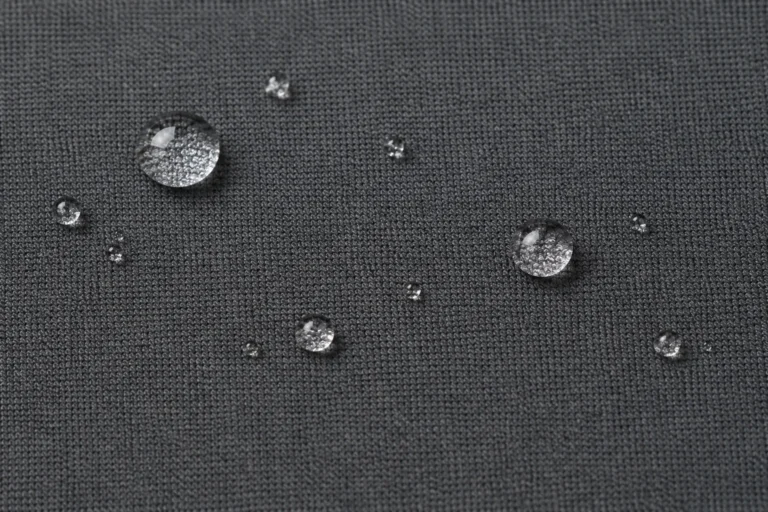
Softshell (Bonded Performance Fabric)
A stretch outer fabric bonded to a soft fleece or knit backing, usually with a water-repellent finish. It…
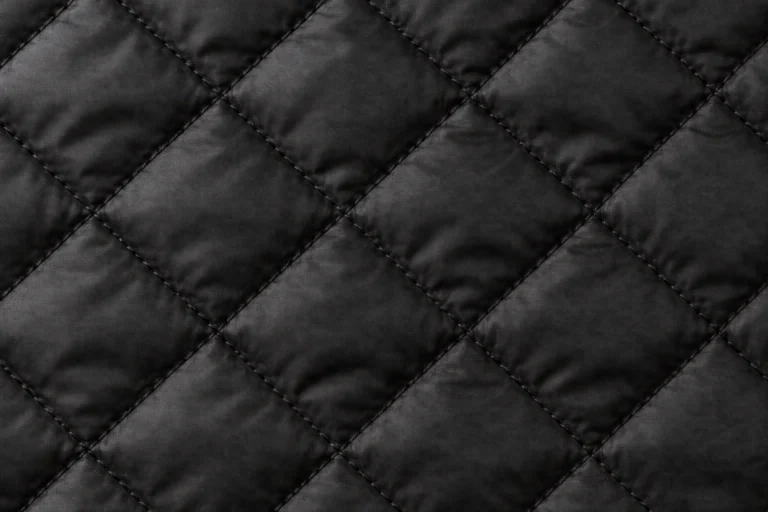
Quilted Nylon
A light nylon shell stitched to a layer of polyester wadding in diamond or channel quilting. It gives…
Products
Where shell fabrics are used
Shell fabrics are the outer layer of our ski jackets, pants, suits and snowboard wear.
- Custom ski wearCustom ski jackets, pants, suits, fleece and base layers under your label, waterproof 5K–20K with taped seams. From…
- Custom balaclavasPrivate-label balaclava and ski mask manufacturer in Sialkot, Pakistan. Knitted, fleece, mesh and sublimated styles from 50 pcs,…
- Custom caps & hatsCustom caps and hats under your label: baseball, dad, trucker, snapback, bucket, boonie, safari and camo caps. From…
Product pages that use these fabrics:
Journal
Guides on ski wear
 Performance & Use CasesSki Wear Jackets Designed for Comfort, Warmth, and StyleSki wear jackets deliver warmth, waterproof protection, breathability, and comfort, helping skiers perform confidently in cold mountain.Read the guide
 Performance & Use Cases · 11 min readSki Wear Clothing: A Complete Guide for Winter AdventuresDiscover the ultimate ski wear guide: stay warm, dry, and stylish on the slopes with expert tips on jackets, pants, layers, and accessories.Read the guide
 Manufacturing & Production · 9 min readFind the Best Ski Wear Manufacturers for Premium Winter ApparelFind the best ski wear manufacturers offering premium, durable, and customizable jackets, pants, and accessories for winter sports.Read the guide
FAQ
Shell fabrics: frequently asked questions
Which waterproof ratings can you make?
We make ski wear with waterproof ratings of 5,000, 10,000, 15,000 and 20,000 mm, written as 5K, 10K, 15K and 20K. The rating is agreed for each order, together with the fabric and the waterproofing build.
Who tests the waterproof rating?
The rating comes from the fabric mill's specification, and an independent lab can test it on request. You can also have the fabric or the finished garment tested at any lab you choose, against the specification we agree.
Are the seams taped?
Yes. We offer fully taped seams, where every seam is sealed with waterproof tape on the inside. Without taping, water gets in through the stitch holes, whatever the fabric rating.
Nylon or polyester for a ski shell?
Both work. Nylon, for example taslan or oxford, is tougher and more abrasion-resistant, which suits pants and snowboard wear. Polyester, such as pongee, holds colour well, dries fast and costs less, which suits most jackets, suits and kids' wear.
Is softshell waterproof?
Softshell helps keep out wind and light snow and stays breathable, but it is not fully waterproof unless it has a membrane and taped seams. For wet days and deep snow, choose a coated or laminated shell.
Material Library
More fabric families and guides
- All fabrics in the Material Library
- Fleece Fabrics
- Cotton Fabrics
- Merino Wool & Wool Blend Fabrics
- Polyester & Recycled Polyester Fabrics
- Acrylic Knits & Yarns
- Performance Fabrics
- Insulation & Linings
- Cap & Hat Materials
- Sock Yarns & Constructions
- Knitting Yarns
- Scarf Fabrics
- Waterproof & Breathability Ratings Explained
- Fabric Weight & GSM Guide
- Textile Certifications Guide