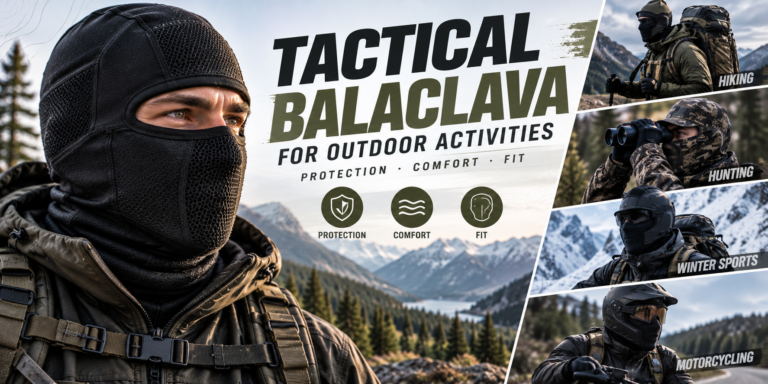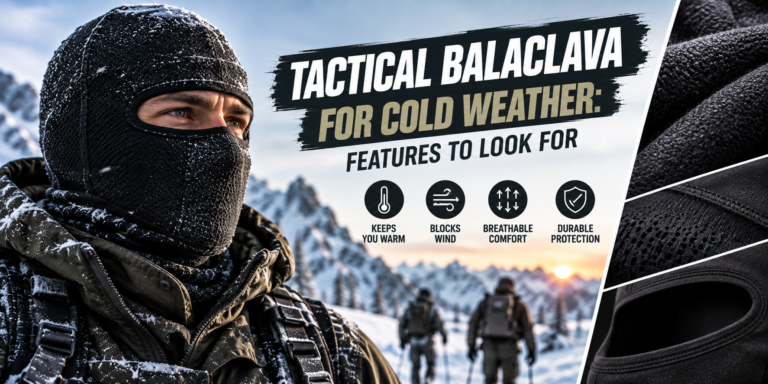

A breathable tactical balaclava hat is a hat that is designed to be worn while you are working outside, which will keep you cool, dry and warm. Breathable masks are engineered to prioritize airflow, quick-drying fabrics, moisture management, and lightweight design, as opposed to masks designed for heavy winter use. Hence, they are suitable for tactical training, walking, cycling, airsoft, outdoor activities, and wearing a helmet. But, it is important to not leave the face totally open to wind and changing weather. Good design is to achieve a functional compromise between protection and ventilation.
Use light, high-performance fabric
A fabric’s heat control properties are its ability to work well during active use. Lightweight polyester blends typically work well because they dry down easily and the manufacturers can make thin, flexible constructions. In addition, elastane or spandex can be incorporated into the fabric to increase stretch and its ability to adhere to the face. The tactical balaclava should move with your head, not loosen as you move around, such as running, climbing or training. Plus, the technical lightweight fabric minimizes bulk under helmets and other protective headgear.
Prioritize Moisture-Wicking Performance
When the temperature is cool, your body produces sweat during strenuous exercise. So moisture control is a key aspect of long lasting comfort. Moisture-wicking fabric carries sweat away from the body and distributes it over a larger surface area, which allows moisture to evaporate more quickly. This means that the tactical Balaclava can appear drier in long training periods. Synthetic materials typically have less water retention and dry faster than regular cotton, which can absorb moisture and stay damp for a longer period of time. Furthermore, the rapid drying construction quality is particularly helpful when there is a regular increase and decrease in the level of activity.
If the animal is not breathing, look for ventilation around the mouth.
Breathing through the mouth and nose generates more heat and moisture. Therefore, this area requires more air flow than the forehead or ears. Lighter panels, perforated fabrics, shaped vents or breathable mesh around the lower face can be used for tactical designs. However, it can leave a lot of skin surface exposed to dust, wind or cold. So, manufacturers must carefully place vent holes. Our military guide has all the details about the modern tactical designs and materials that allow them to be worn for extended periods of strenuous activity.
Steer clear of excessively thick fabrics.
Heavy stuff can keep the body hot quickly when running, hiking, training, or other high-intensity exercises. So, it’s not “the more the better” when it comes to performance. A thinner construction can, in addition to lower pressure under headgear, often enhance temperature control. Furthermore, light materials can still offer adequate protection from the sun, dust and mild winds. Our thin design guide will explain how low profile, moisture-wicking materials can effectively control moisture and minimise unwanted bulk under a helmet.
Make sure it works with a helmet
Helmets are important in many tactical and outdoor activities, so seam placement and thickness of fabric are important. Pressure can be caused by bulky stitching around the temples and/or forehead after a few hours. So, flat seams and smooth panels tend to be more comfortable. A breathable tactical balaclava should also not come undone when a helmet is being put on or taken off. Furthermore, the fabric is flexible and will not allow folds to collect around the crown and around the ears. Close-fitting and low-profile models can be more comfortable without having to buckle the helmet too tightly.
It is important to balance airflow with protection
The maximum airflow is not always the most desirable. For instance, very open clothes can be comfortable on a high-energy day, but are not very protective on a windy day. Hence tactical designs tend to mix fabric areas. Manufacturers are able to use stronger fabric around the forehead and neck area and increase in ventilation near the nose, mouth and jaw area. The committed tactical range comprises Lycra, breathable mesh, technical blends, and other fabrics designed for various types of performance.
Select a fit that is both secure and flexible.
When running or if making quick head movements, loose material may travel across the face. But when a mask is too tight, it can become too uncomfortable and breathing through it can become more difficult. So, opt for a fit that is close to the skin but still gives them the freedom to move their jaw and neck. The ideal tactical balaclava is stretchy and should return to its normal shape after you turn your head around. Furthermore, the fit after repeated use and washing remains the same thanks to good stretch.
Consider Quick-Drying Materials
Essentially, quick dry is a godsend when it comes to long outdoor sessions. When the sweat stays in the balaclava, the heavy feeling or discomfort may occur at the time when the activity slows down. Hence, polyester balaclava and like technical synthetics can sometimes be used in active environments where moisture is released more rapidly than many absorbent fabrics. Moreover, quick drying materials also allow for more practical re-use due to the reduced time required to dry material after washing.
Pay attention to how well you are covering your neck
During physical exertion, the neck becomes warm, so too much material can make them more uncomfortable. But really short coverage will leave a space between the balaclava and shirt or jacket. So, when choosing the neck segment, be sure to get one that doesn’t add extra bulk, but is still secure. A light, flexible fabric generally is effective, moving with the body and letting heat out. Furthermore, a smooth neck section will be able to fit under collars without bunching.
Use performance rather than excessive insulation
The balance will generally need to be different for active tactical use versus stationary cold-weather use. Fleece will also offer good insulation, but when you are hot, it can become uncomfortable. For this reason, it is best to look for a tactical balaclava jacket that is breathable, moisture-wicking, and also provides adequate protection to the environment. During the cooler months, a light-weight balaclava can be layered over other items.
An easy-to-carry lightweight polyester option is also a great choice.
Polyester is ideal for applications where breathability, quick drying and flexibility of movement are important. It can also be used for all over printing and various design setups without using thick fabric. For instance, a polyester sublimation hat has breathable fabric that absorbs moisture, allowing it to be worn for longer periods and for high-intensity activities. So this kind of building may be appropriate for people who want to keep their buildings cool and dry rather than warm and insulated.
Maintain Your Balaclava Properly
Sweat, skin oils, and dirt can build up inside performance fabric over time. Therefore, regular washing helps maintain comfort and freshness. Follow the fabric care instructions and avoid treatments that could damage stretch or moisture-management properties. Moreover, allow the balaclava to dry completely before storing it. Proper care helps preserve elasticity, airflow, and shape, which allows the garment to continue performing consistently during repeated outdoor use.
Final Thoughts
A breathable tactical balaclava should control heat and moisture while maintaining secure face, head, and neck coverage. Therefore, focus on lightweight technical fabric, moisture-wicking performance, strategically placed ventilation, stretch, quick drying, and low-profile seams. In addition, consider helmet compatibility and your expected activity level before choosing fabric thickness. A well-balanced design can keep you more comfortable during extended movement without creating unnecessary bulk. Finally, the right breathable tactical balaclava should support active performance while giving you enough protection for the conditions you regularly face.
FAQs
What fabric works best for a breathable tactical balaclava?
Lightweight polyester-spandex blends often work well because they combine airflow, stretch, moisture management, and quick drying. However, the ideal material depends on your climate and activity level.
Is mesh suitable for tactical balaclavas?
Yes. Breathable mesh can improve ventilation around the mouth and nose. However, manufacturers should place it strategically so the design still provides useful face protection.
Can I wear a breathable balaclava under a helmet?
Yes. In fact, lightweight construction and flat seams can improve helmet comfort because they reduce bulk and pressure around the forehead and temples.