
Protection levels vary from day to day depending on the ski day. A mild sunny afternoon on groomed runs is very different from a subzero morning with biting wind at altitude and your headgear should reflect that. There is a thermal ski balaclava for the latter case, but it’s important to know when to use it and when not to, so you don’t end up being too hot on a less frigid day.
What Makes a Balaclava “Thermal”
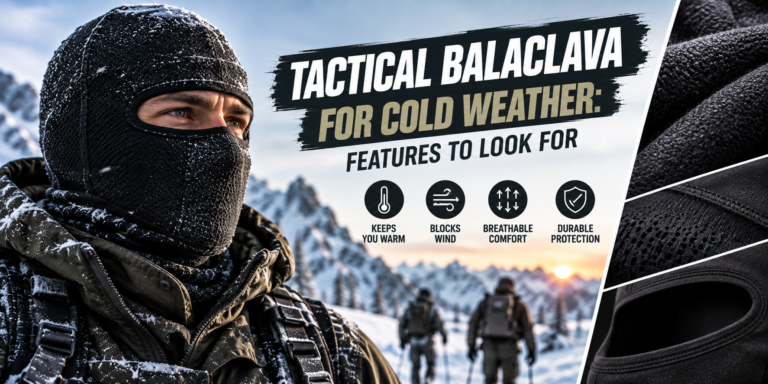
A thermal ski balaclava will have a thicker insulating fabric, and may have an inner lining as well, that will keep more body heat in than a lightweight design. These balaclavas are frequently made from a variety of materials, such as wool, brushed fleece, or insulated synthetic fabrics, which can provide excellent warmth, but may not be as breathable. The aim is to retain heat, and thermal balaclavas are most appropriate when the main concern is cold, rather than exertion-induced overheating.
If you are unsure whether you need additional insulation, look for these indicators:
Extreme Cold and Wind Chill.
The best way to know if you need a thermal balaclava is the temperature and wind chill forecast. When wind chill is very low, exposed or thinly covered skin can be at risk of frostbite in just a few minutes. Under such conditions, the extra insulation provided by a thermal balaclava is not only a matter of comfort, but also a significant safety factor for anyone spending long periods outdoors.
High-Altitude Skiing
Even if the base of the mountain is mild, higher elevations have thinner air, stronger sustained winds and colder ambient temperatures. Even if they are warm when skiing at lower levels, skiers who use lifts to higher elevations or spend time at exposed areas at the top may need additional insulation. Many experienced skiers will wear a thermal balaclava for the higher altitude runs and then change to a lighter hat for the warmer runs.
Low-Activity Situations
Body heat production decreases markedly when standing in a lift line, taking a break at a lodge deck, or waiting for a group to regroup. A thermal balaclava can help to stop the fast heat loss that can occur after a run when activity levels are low, particularly if you’ve been sweating during the run.
Extended Time Outdoors
Multi-hour backcountry tours, long lift-served days, or extended time in exposed terrain increase cumulative cold exposure. The longer you are outside, the more important the insulation becomes, as small amounts of heat loss add up over time even in fairly cold weather.
In some cases, thermal insulation is not needed
Not all ski days call for maximum insulation and overdressing the face and neck can cause unwanted sweating, discomfort and even dampness that can make you colder when you stop moving. A lighter, more breathable balaclava is usually the better choice for mild, low-wind days, high-intensity backcountry touring, or spring skiing conditions. It is best to match the insulation level to the actual conditions, not the warmest insulation that is available.
The materials used in thermal balaclava are quite common
Thermal balaclavas usually use natural materials such as wool, which insulates well even when slightly damp, or brushed synthetic fleece, which traps air effectively against the skin. Some designs also feature a thermal lining or heat-reflective inner layer to enhance warmth without adding too much bulk. A fabric that is both insulating and breathable will not get soaking wet between rest stops.
Heat exchanger technology can be used to control fogging and moisture
The heavier, warmer balaclavas have one drawback: warm breath can cause goggles to fog up if the design doesn’t allow for proper venting. Some cold weather designs address this by having a separate channel for exhaled air, instead of it rising directly into the goggle area. For skiers who require heavy insulation but don’t want to deal with fogging all the time in freezing weather, it can be helpful to understand how a heat exchanger style face covering works to keep warm, moist breath from fogging the face.
Selecting the appropriate fabric for thermal performance is crucial
The type of fabric is a significant factor in the performance of a thermal balaclava throughout the day. Wool remains one of the most trusted options for extreme cold because of its natural ability to insulate even when exposed to moisture, a property that’s especially valuable during long days with fluctuating activity levels. Knowing the differences between natural fibers, as well as what guides to balaclava hat construction and material performance can tell you, can help skiers select the right insulation for their climate and their tolerance for bulk under a helmet.
A practical thermal option for skiers
An acrylic balaclava is a warm, stretchy hat that is ideal for extreme cold conditions, yet still breathable enough for active skiing. This type of construction is a good example of how thermal balaclavas can provide a lot of insulation without being stiff or too restrictive when wearing goggles and helmets.
Final Thoughts
Additional insulation is most important in very cold conditions, in high wind chill, at high altitudes, or during prolonged periods of low outdoor activity. A lighter balaclava is generally more effective for milder conditions or high exertion skiing, as it will not overheat or become damp due to unnecessary bulk. The best way to stay comfortable and protected on the mountain is to read the day’s conditions correctly, not assuming maximum warmth all the time.
FAQs
How cold does it need to be to require a thermal ski balaclava?
There’s no single temperature threshold, but once wind chill drops well below freezing or you’re skiing at high altitude with sustained wind, extra insulation becomes increasingly important for comfort and safety.
Can a thermal balaclava cause overheating during active skiing?
Yes, if worn in conditions that don’t call for maximum insulation. Heavy thermal fabric can trap excess heat and moisture during high-exertion activity, making it better suited to cold, low-activity situations.
What’s the best fabric for a thermal ski balaclava?
Wool and brushed fleece are commonly used for their strong insulating properties, with wool offering the added benefit of retaining warmth even when damp.