The right headgear can mean the difference between a fun day on the slopes and a miserable day back at the lodge when the temperature drops and the wind starts to blow. A ski balaclava for cold weather is not just an accessory, it is an essential piece of protective clothing that will keep your face, neck and head warm, dry and protected from biting winds, frostbite and heat loss. But not all balaclavas are created equal. Knowing what features are important can help you select one that will work when things get tough.
Why a Ski Balaclava Matters in Cold Weather
An uncovered head and neck lose about 10% of body heat, and this figure increases with wind chill. A balaclava will close these exposed areas, keeping the heat near the body and preventing wind, snow spray and freezing air from reaching exposed skin. This layer of protection is a key element for skiers, snowboarders and anyone spending long periods of time in sub-zero temperatures, and can make the difference between a comfortable day on the mountain and a shortened one.
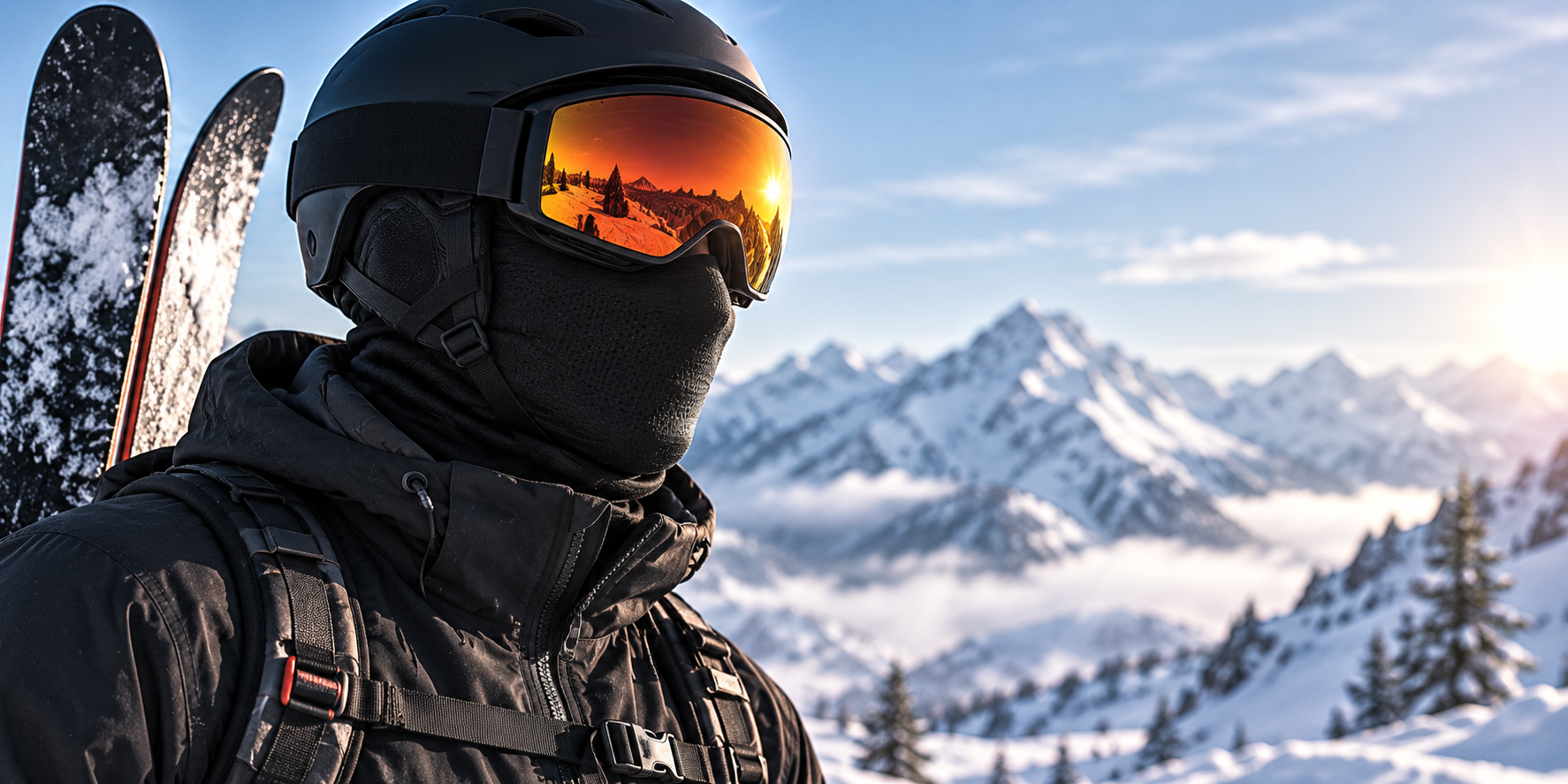
In addition to providing warmth, a good balaclava shields your skin from sunburn at high elevations and reduces windburn on your cheeks and nose. You can also wear it under a helmet for extra warmth without affecting the fit. When you build your cold-weather kit or search for ski wear clearance for your team, make sure you insulate yourself from head to toe.
Key Features to Look For
1. Insulating Fabric
The amount of warmth the balaclava will hold depends on the material. Fleece and knitted acrylic blends are popular for their insulating properties, and merino wool provides natural temperature regulation and odor resistance. Thicker double-layer fabrics are best for extreme cold, while single-layer fabrics are best for high-output activities where overheating is a concern. The most important factor in performance is the selection of the right fabric for the right climate and activity.
2. Windproof and water-resistant construction
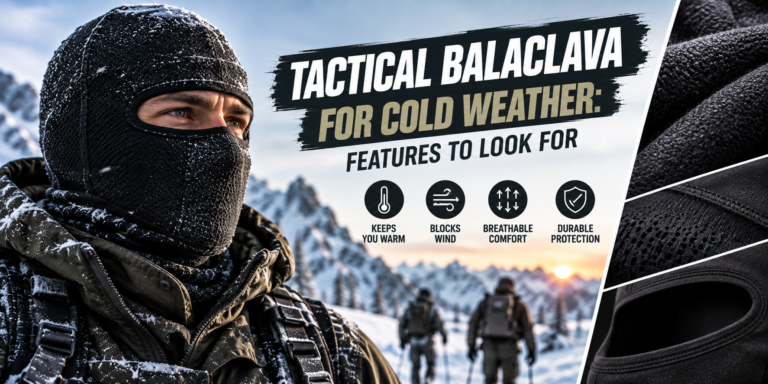
Cold weather is frequently accompanied by wind and moisture, whether it’s blowing snow or light precipitation. A windproof membrane or treated outer layer on the balaclava will keep cold air from penetrating the fabric and water-resistant will keep snow from penetrating and cooling the skin. Even a thick, warm balaclava can become ineffective when it gets wet without this feature.
3. Breathability
While trapping heat is essential, it is also crucial to remove excess moisture from breathing and sweating. Built-in breathable panels around the mouth and nose stop that clammy, uncomfortable feeling and in very cold weather, ice forming on the fabric. Ventilation zones also help to control temperature during high-intensity activities such as climbing a slope or hiking to a backcountry run.
4. Fit and Coverage
A loose-fitting balaclava will allow cold air to seep around the sides, and a tight-fitting one will hinder breathing and movement. Find a pair that has stretch fabric or adjustable closures that fit your face without leaving gaps. Full coverage designs go beyond the neckline and fit snugly under a jacket collar, which helps to prevent cold spots at the base of the neck.
5. Helmet and Goggle Compatibility
Most skiers wear a balaclava under their helmet and goggles, so a low-profile, seam-free design around the forehead and temples eliminates pressure points and excess bulk. Near the nose bridge, anti-fog technology also helps maintain goggles’ clarity, a detail that can make a big difference in visibility and comfort throughout the day.
6. Style: Full-Face vs. Open-Face
Full-face designs provide the highest level of protection, covering the entire face except for the eyes, and are suitable for very cold or windy weather. Open face or convertible styles provide more ventilation and exposure, making them ideal for cooler days or situations where communication and facial expression are more common. For backcountry skiing or high altitude runs where exposure to the elements is greater, a full-face balaclava is often the preferred choice.
7. Durability and Seam Quality
Flatlock seams minimize chafing and fraying with repeated use, particularly in areas where helmets or face coverings rub. The reinforced stitching around the eye and mouth openings also helps to prolong the life of the balaclava, especially if you’re wearing it over several seasons or in extreme weather.
Matching the Balaclava to the Conditions
Not all cold weather days are created equal. On a clear, sunny day on well-groomed runs, a lightweight, breathable balaclava might be enough, but on a stormy day with high wind chill, a thicker, windproof, full-coverage balaclava will be necessary. Before going outside, review the forecast and know how to calculate wind chill to decide what features are most important. If you ski regularly in truly cold conditions, you may want to consider a special cold protection balaclava designed for sub-zero weather.
Caring for Your Ski Balaclava
Good care prolongs the life and performance of your equipment. Hand washing or a gentle cycle with mild detergent will keep the fabric from shrinking, which can affect the fit, and air drying will keep the fabric from shrinking. Fabric softeners should also be avoided as they may diminish the moisture-wicking and insulating capabilities of technical fabrics.
Final Thoughts
When it comes to picking the right ski balaclava for cold weather, the key is to find a balance between warmth, breathability, and fit in your specific environment. Windproof construction, quality fabric, and helmet compatibility are all important factors to consider, ensuring you remain protected without compromising comfort or visibility. If you’re preparing for a weekend on the slopes or you’re looking to outfit a team for a season of extreme weather, knowing these features can help you make a smarter, more informed decision. To learn more about creating a full cold-weather wardrobe, read our list of ski brands that perform well in the winter.
FAQS
What fabric is best for a ski balaclava in extremely cold weather?
Thicker fleece, double-layer knits, or merino wool blends offer the best insulation for extreme cold, as they retain heat effectively while managing moisture from sweat and breath.
Can I wear a balaclava under a ski helmet?
Yes. Most ski balaclavas are designed with a low-profile, seam-free fit specifically so they can be worn comfortably underneath a helmet and goggles without added bulk.
How do I stop my goggles from fogging up when wearing a balaclava?
Choose a balaclava with a breathable panel around the nose and mouth to redirect warm breath away from your goggles, reducing fog buildup during activity.