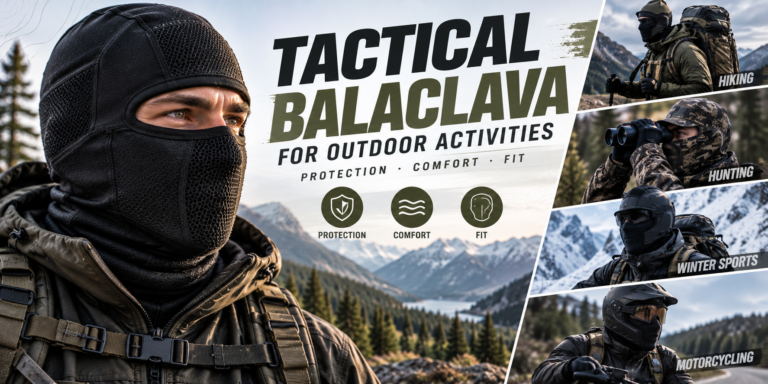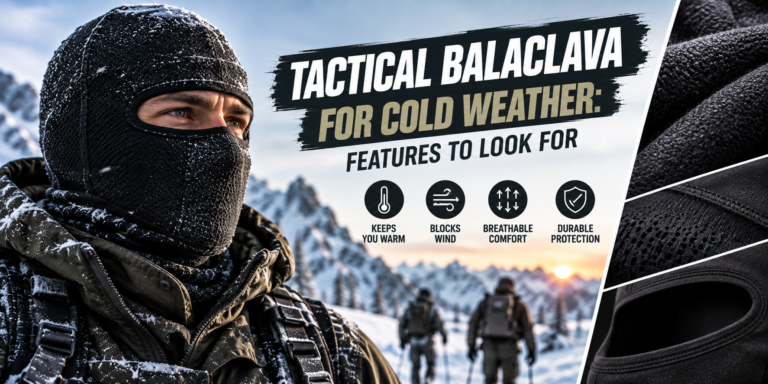
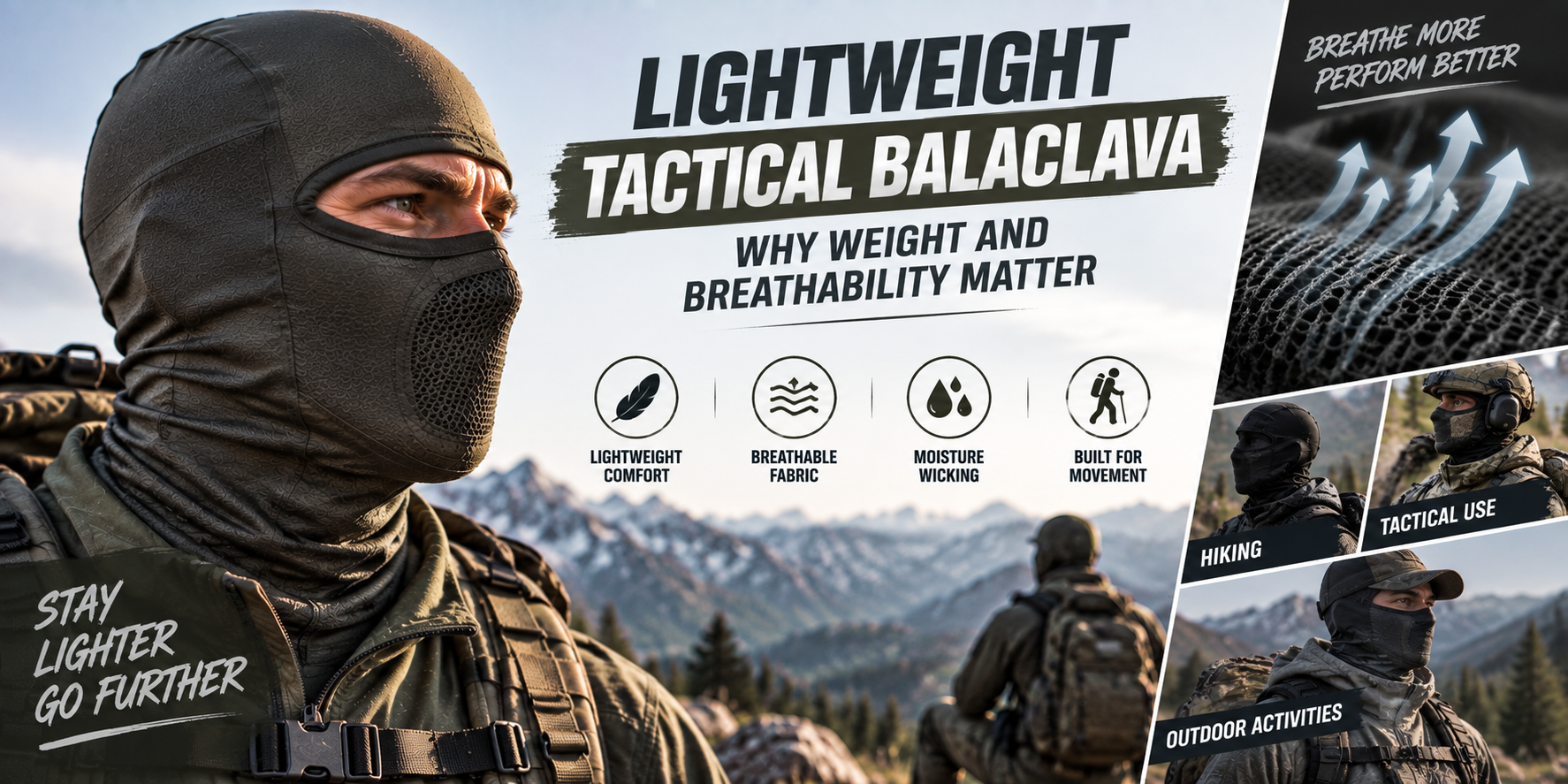
A thermal lightweight tactical balaclava is useful when freezing temperatures, strong wind or extended time outdoors require more warmth than a lightweight face covering can offer. It shields the head, ears, cheeks, lower face and neck and aids in keeping the wearer warm. But the warmest is not always the best. Breathability, moisture management, fabric weight, helmet fit and activity level are also factors to consider. So, when it comes to picking the right thermal design, it’s not just about picking the thickest material, it’s about balancing insulation with comfort.
Recognize the need for extra insulation
A lightweight tactical balaclava is most effective when cold exposure is greater than maximum ventilation. For instance, winter hiking, outdoor work, cold weather training, mountain travel, and prolonged periods of inactivity can all raise the demand for insulation. Furthermore, your body generates less heat when you are not moving, and a mask that is warm while you are active may not be warm enough when you are resting. The wind can also increase heat loss around the cheeks, ears and neck. So take into account the temperature, wind, time spent outside, and activity level.
Know the tactical requirements of cold weather
Warmth and equipment compatibility are sometimes a balance in tactical applications. A thick knitted mask can offer good insulation, but too bulky can be a problem for helmets, glasses, or communication devices. So, material selection is as important as thickness. Our military guide explains how heavier fabrics work in freezing conditions, and lighter technical fabrics work in warmer or more active conditions. It also points out materials like merino wool, polyester, nylon and special fibers for various conditions.
Choose the Right Thermal Fabric
Fleece, merino wool, acrylic and brushed synthetic fabrics are all good options for winter insulation. Fleece traps warm air effectively and is soft on the skin. In the meantime, merino wool is naturally temperature regulating and moisture managing. Acrylic knit can also offer warmth, stretch and affordability. Thus, the best thermal tactical balaclava should be made of fabric that is suitable for the environment and the activity that is anticipated. Also, look at the weight of the fabric as two products with the same fiber content can offer vastly different warmth.
Protect Against Cold Wind
Winter can be a lot worse in windy conditions, especially in open areas. Thus, tight-fitting coverage around the forehead, cheeks, ears, jaw and neck becomes significant. Gaps that are not tight will let cold air in and diminish the insulating effect of the skin. Furthermore, a longer neck section can fit into a jacket and can help to prevent drafts. Our skiing guide tells you how balaclavas work to keep you warm in the cold wind and how materials like fleece, merino wool and polyester keep you warm when exposed to cold weather.
Balance Warmth With Breathability
Too much insulation can cause another issue: overheating. Your body generates heat and sweat even in freezing temperatures when you are running, climbing, hiking or training hard. So, a thermal tactical balaclava should be breathable enough to allow some warm air and moisture to escape. Breathable fabric can help to decrease dampness around the scalp and face, and ventilation around the mouth and nose can help to improve breathing. Furthermore, balanced airflow can help to make it easier to switch between active movement and slower times without having to constantly take off the balaclava.
Control Sweat in Winter Activity
In cold climates, moisture management is particularly critical. When sweat stays on the skin, it can cause the wearer to feel cooler when activity decreases. So, technical fabrics should wick moisture away from the skin and dry it effectively. Polyester blends tend to dry out rapidly, while merino wool will still insulate if it’s slightly damp. Ordinary cotton, on the other hand, will retain water for a longer period. Therefore, a good thermal tactical balaclava should be able to regulate heat and moisture as the activity level changes.
Ensure that helmets and headgear are compatible.
Lightweight tactical balaclava and outdoor users wear helmets, winter hoods, goggles or hats over their balaclava. So, large seams and thick layers around the crown, temples or ears can cause pressure points. A smooth construction is generally better under equipment. Furthermore, the stretch enables the fabric to conform to the shape of the head without creating loose folds. For heavy winter use, a full face design offers tactical, snow-sport and extreme-condition options, with the flexibility of material and construction.
Think about the time you spend outside
The insulation needs are very different for short exposure and all day use outdoors. A light layer might be sufficient for short winter use, and a few hours in freezing temperatures may warrant heavier insulation. So consider time as well as heat. The more useful a thermal tactical balaclava becomes, the more cumulative cold exposure begins to impact comfort. Furthermore, people who stand or watch outside for extended periods typically require greater warmth than those who are constantly active.
For severe conditions, opt for Full Coverage.
Full-face construction can minimize exposed skin in cold weather and high wind. One-hole designs typically cover the forehead, ears, cheeks, jaw and most of the face, leaving an opening for sight. But the mouth and nose regions must still have sufficient air flow for easy breathing. So, a full-coverage design should be warm and functional for ventilation. The longer the neck coverage, the better the fit between the balaclava and outerwear.
If you are looking for a thermal knitted product, you should consider the following factors:
Knitted designs can offer reliable warmth for winter, tactical and outdoor uses. For instance, an insulated mask is available in acrylic, wool-blend and premium thermal-yarn options, and is stretch-knit. The product also features wind resistance and breathability for winter sports, tactical wear and outdoor use. Thus, this type of construction can be appropriate for situations where heat is more important than maximum ventilation.
Don’t over-insulate when in use.
Not all winter activities are appropriate for heavy thermal gear. Thick insulation can become uncomfortable when hiking, running, climbing, or training intensely. So, if you’re going to be moving around a lot, opt for a lighter thermal tactical balaclava. Clothing layers can also be used to regulate warmth when conditions change. This is more flexible than using one very thick face covering all day long.
Final Thoughts
A thermal lightweight tactical balaclava provides extra warmth when freezing temperatures, wind, long exposure, or reduced movement make lightweight face coverings insufficient. However, insulation should work alongside breathability, moisture management, coverage, stretch, and helmet compatibility. Therefore, compare fabric type, thickness, weather conditions, activity level, and time outdoors before choosing. Fleece, wool, acrylic, and performance synthetics can all work well when used correctly. The right thermal tactical balaclava should keep you warm without creating unnecessary sweat, bulk, or restriction during winter use.
FAQs
When should I switch to a thermal balaclava?
Consider a thermal design when freezing temperatures, strong wind, long outdoor exposure, or low activity makes a lightweight mask feel insufficient.
Which fabric provides good thermal performance?
Fleece, merino wool, acrylic, and thermal synthetic blends can all provide useful insulation. However, each material offers different levels of warmth, breathability, and drying speed.
Can I wear a thermal balaclava under a helmet?
Yes. Choose smooth seams and moderate fabric thickness so the balaclava does not create uncomfortable pressure underneath the helmet.