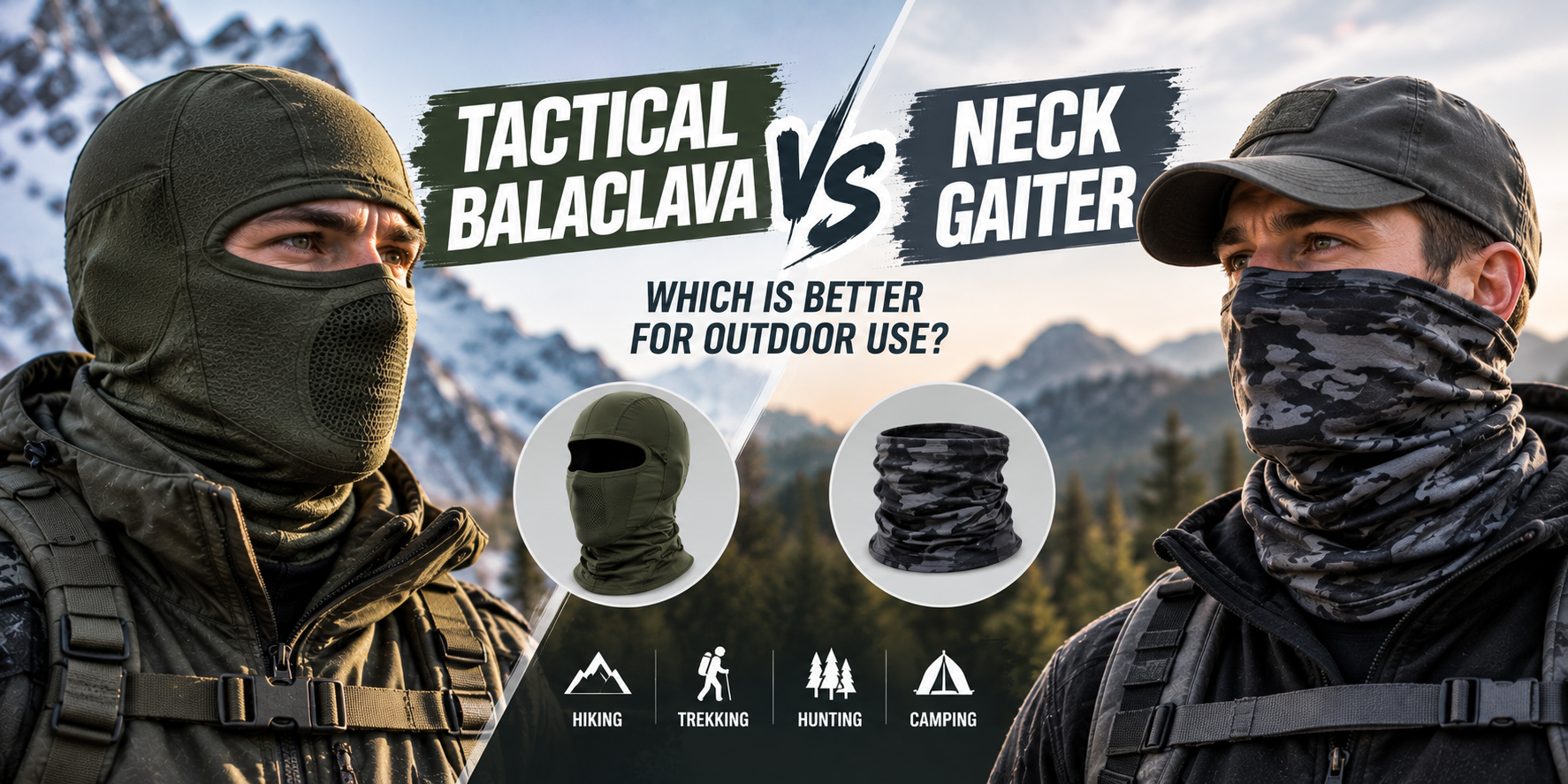
The primary difference between tactical balaclava vs neck gaiter is coverage, protection, adjustability, and comfort while moving. A tactical balaclava typically covers the head, ears, neck and part or all of the face, whereas a neck gaiter primarily covers the neck and lower face. So, in cold or windy weather, balaclavas are more effective at keeping you warm, while gaiters are more versatile when hiking, cycling, running, or engaging in other active outdoor pursuits. The right choice will depend on weather, activity, equipment and the amount of coverage required.
The biggest difference is coverage.
A balaclava offers a continuous coverage from the head down towards the neck. It can be designed to leave only the eyes exposed or to have larger openings around the face. A neck gaiter, on the other hand, is a simple tube-shaped piece that wraps around the neck and can be pulled up over the mouth and nose. So, when comparing tactical balaclava vs neck gaiter, it’s usually a matter of coverage. A balaclava covers more areas at once, a gaiter allows you to expose or cover the lower face faster.
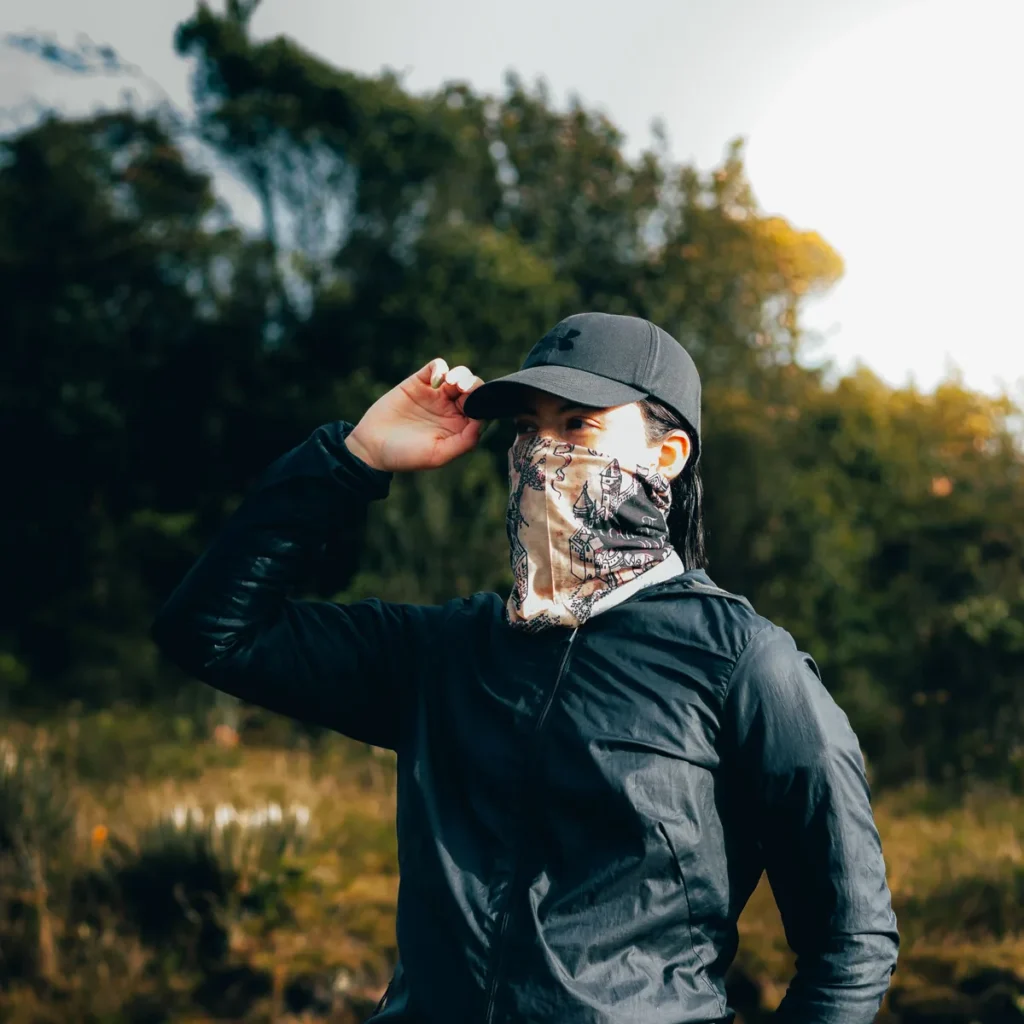
Neck gaiters provide greater flexibility.
A neck gaiter can be used in a number of ways during the day. It can be worn around the neck, pulled over the nose, folded into a headband, or some designs can be used as light head covering. Thus, it is appropriate for tasks that involve varying temperatures and exertions. Our gaiter comparison details how balaclavas offer constant head protection, while neck gaiters offer easier adjustment in changing conditions.
Tactical Balaclavas offer greater wind protection.
Fabrics around the ears, cheeks, forehead and neck are continuous to minimize cold air gaps. So, a tactical balaclava is better suited for windy conditions or open areas. Furthermore, close-fitting stretch fabric can stay in place while running, cycling, climbing, or navigating challenging outdoor environments. If you’re looking at tactical balaclava vs neck gaiter for windy conditions, the balaclava will typically offer more coverage since a gaiter will leave the top of the head and often the ears exposed.
Breathability is important when the product is in use.
Even in cool weather, outdoor activities generate heat and moisture. Heavy face coverings can become uncomfortable when hiking uphill, cycling, trail running, or carrying equipment. So, lightweight polyester, nylon, spandex and other technical fabrics are often suitable. Neck gaiters are easy to ventilate as they can be pulled down. But today’s tactical balaclava can incorporate mesh zones or breathable panels around the mouth to allow for more air flow without compromising head coverage.
Moisture control is essential for keeping you comfortable.
If the material absorbs moisture and dries slowly, either option can be uncomfortable due to sweat. So, if you’re planning on some heavy-duty activity, check for moisture-wicking and quick-drying fabric. Typically, technical synthetics will transport moisture better than regular cotton, and merino wool will offer temperature control in cooler weather. When it comes to tactical balaclava vs neck gaiter, the fabric performance can be as important as the design itself when it comes to active outdoor use. If the activity is still vigorous, a lighter product can be more effective.
A neck gaiter is effective in milder conditions.
Neck gaiters work well for mild wind, cool mornings, dusty trails, and changing temperatures because you can adjust them to cover your neck within seconds. You can wear the material around your neck during heavy exercise and pull it over your nose and mouth when the weather gets colder. A dedicated gaiter page demonstrates the use of breathable, moisture managing fabrics in outdoor, sports and performance applications. So they can offer practical versatility without the need for full head coverage.
Balaclavas are more effective in colder weather.
Cold air does not just impact the neck and lower face. Ears, forehead, cheeks and scalp may also require protection during winter activities. This means that a balaclava can help to eliminate the need to wear a gaiter with another hat or helmet liner. Furthermore, full coverage can help minimize cold spots between different clothing layers. But it is still important to select the right fabric weight as too much insulation can lead to overheating during heavy exercise.
Consider helmet compatibility.
Helmets are worn for extended periods by cyclists, climbers, winter-sports participants, and some outdoor workers. Both designs can be used with helmets, but they act differently. A thin balaclava forms a single layer over the head, and a gaiter typically rests primarily on the neck and lower face. So, the choice between tactical balaclava and neck gaiter for helmets will be based on the need for ear and scalp protection. Low seams and light weight fabric can also minimize pressure under protective headgear.
Choose the Right Fabric
Polyester blends are suitable for active outdoor applications as they can offer fast drying, stretch and breathability. Nylon can offer durability and fleece can offer more warmth in winter. In cooler weather, however, lightweight knitted fabrics can provide a balance of ventilation and insulation. So, always match material to temperature and physical effort. A warmer fabric might be better for stationary use, and a thinner technical fabric is typically better for running, cycling, or strenuous hikes.
Think about the different ways the garment will be worn.
Outdoor clothing can be more versatile with adjustability in varying weather conditions. Some balaclavas can be folded down to create a partial face covering or a neck-warming style, and gaiters will naturally support multiple styles. We have a wrap guide that covers full-face, open-face, neck-gaiter and layered wraps. So, when you need multiple layers of coverage, the difference between the two designs may be more subtle than it seems, as a versatile balaclava can be used for multiple purposes.
For a lightweight outdoor product
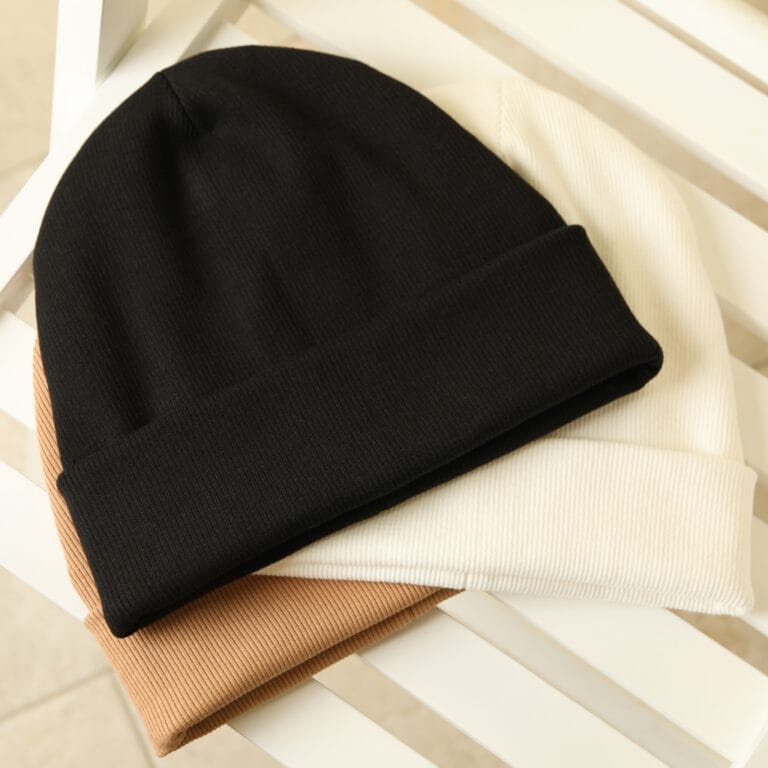
If you’re looking for more general coverage but not as heavy construction, you can opt for lighter fabrics. A lightweight mask balaclava is a mask made from breathable knitted material with multiple face openings. People use it for winter sports, outdoor work, and riding. This design provides more head protection than a gaiter while remaining lightweight. It shows that balaclavas can provide both warmth and ventilation without relying only on thick insulation.
Which Option Works Better Outdoors?
Choose according to your main conditions. A neck gaiter works well when you prioritize easy adjustment, lower-face protection, and lightweight comfort. Meanwhile, a balaclava suits colder, windier, or more exposed conditions where your ears, head, and cheeks also need coverage. Therefore, tactical balaclava vs neck gaiter has no universal answer. Hiking in mild weather may favor a gaiter, while winter cycling, mountain activities, or strong wind may make a balaclava more practical.
Final Thoughts
The tactical balaclava vs neck gaiter decision mainly depends on coverage, weather, activity level, and flexibility. Neck gaiters provide easy adjustment and work well during active outdoor use in milder conditions. Balaclavas provide broader head, ear, face, and neck protection, which can make them more suitable for cold and windy environments. Therefore, consider fabric, moisture control, breathability, helmet use, and expected weather together. Choosing according to actual outdoor conditions will provide better comfort than selecting either option based only on appearance.
FAQs
Which provides more face protection?
A balaclava generally provides more complete protection because it covers the head, ears, neck, and larger portions of the face.
Is a neck gaiter better for hiking?
A neck gaiter can work especially well during active hiking because you can quickly adjust it as your body temperature changes.
Which option works better in winter?
A balaclava generally provides better cold-weather coverage because it protects areas such as the ears, forehead, and scalp that gaiters leave exposed.