When it comes to picking between a balaclava and a neck gaiter, it’s hard to decide when you are standing in front of a ski trip. They both offer heat and protection, both fit under a helmet, and they are always mentioned in ski gear suggestions. Both the clothing do not go together, however, they cover different areas, function differently in the wind and cold and fit different skiing styles. With this knowledge you can select the one that is right for you and your skiing style and location.
What a Ski Balaclava Covers
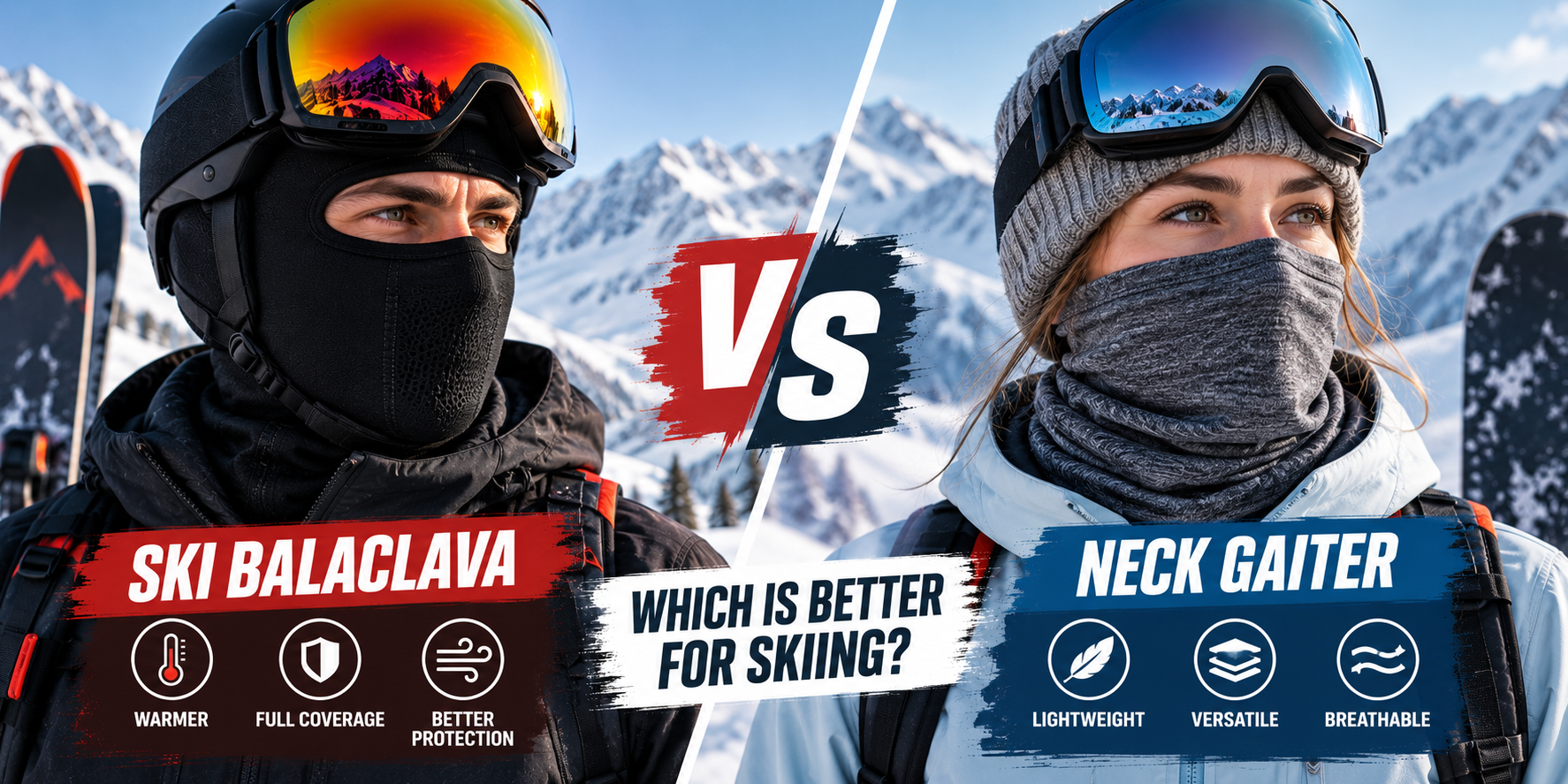
A ski balaclava covers the head and face and usually comes as one connected piece. Some designs cover the entire face and leave only the eyes exposed. Other styles offer a partial fit that leaves the mouth and nose open for easier breathing. The key feature of a balaclava is its close, continuous fit from the crown to the neck. It also fits closely around the face without leaving gaps around the nose or mouth or an open section around the hood. This helps to keep the cold and wind from getting into the ears, cheeks and jawline — which is an area that is vulnerable when wearing other types of headgear.
What a Neck Gaiter Covers
A neck gaiter, on the other hand, is a tube constructed of fabric that is mainly designed to cover the neck and lower face and is usually pulled up over the nose and mouth as required. It does not cover the top of the head and usually the ears unless worn with an extra hat or helmet liner. Simplicity and versatility is what neck gaiters are known for — they can be worn around the neck, pulled up for protection, even worn as a headband so they can be constantly adjusted to different situations throughout the day.
The warmth will increase and the wind will be less.
A balaclava will likely offer better warmth and wind resistance. Its continuous, full coverage prevents gaps around the ears and hairline that a neck gaiter cannot cover. A balaclava works best on exposed ski lifts and in high wind chill. It also suits people who spend long periods in extreme cold weather. In milder conditions, you can wear it alone when you do not need complete head coverage.
Breathability and Comfort
Breathability and adjustability are usually the deciding factors in neck gaiters. They don’t fully cover the face so it is easier for people to communicate and breathe and to adapt to temperature changes: pull it down for a refreshing breath of fresh air when the wind is calm, and pull it back up again as soon as the wind picks up. However, balaclavas can be more confining, particularly full face, but many newer models make up for this with mesh panels on the front around the face and mouth.
Fit under helmets and goggles.
Balaclava and neck gaiters both fit over ski helmets, but in different ways. The seamless design of a balaclava around the head helps block cold air much better, especially around the ears and temples. More often than not, riders wear a neck gaiter over their helmet, along with another hat or the helmet’s liner. This setup creates extra layers to manage and can leave gaps where cold air can seep in.
It is versatile and has multiple uses
The versatility of neck gaiters makes them useful for skiing and many other activities. Their simple shape lets you wear them as a headband or wristband, or use them as a casual neck warmer on the sidelines. Balaclavas offer less flexibility, but newer convertible designs give wearers more options. These designs let users adjust the coverage without changing the entire garment. Learning these convertible balaclava techniques can help the skier use one balaclava in more than one way, thereby creating a balance between the two styles according to the situation.
Now that you have seen the images, which should you select?
It’s really a matter of your usual skiing environment and comfort level. A balaclava is often the better, warmer option when skiing in high winds or at higher elevations or in very cold temperatures where full coverage is important. A neck gaiter may work best if you prefer skiing in less extreme conditions, want a quick way to adjust your coverage, or need something for other outdoor activities. Others even bring both along to switch them out based on the weather forecast.
Exploring Neck Gaiter Options
If you’re thinking about a neck gaiter route, it’s important to be aware of the variety of materials and styles that exist, as the performance of the different gaiters in cold, windy conditions varies. Fleece or windproof synthetic materials make mountain neck gaiters last much longer than lightweight everyday versions.
The Tundra Liner is the perfect model for a balaclava for both worlds.
A cozy balaclava with multiple-use options can be a great compromise for skiers who prefer to have coverage or a more open fit with a neck gaiter. This type of design allows you to change from full face to a relaxed neck-gaiter style when needed, without the need for two sets of gear.
Final Thoughts
There is no one ski balaclava or neck gaiter that is the best in all situations or styles of skiing. Balaclavas are better at providing warmth, wind resistance and helmet compatibility and are the better option in severe cold and exposed conditions. Neck gaiters are more breathable, flexible and can be used more than once for cooler weather and casual use. By choosing a pair of ski boots that are suitable for your skiing environment, not just what is popular in the season, you’ll be able to ski comfortably and warmly throughout the season.