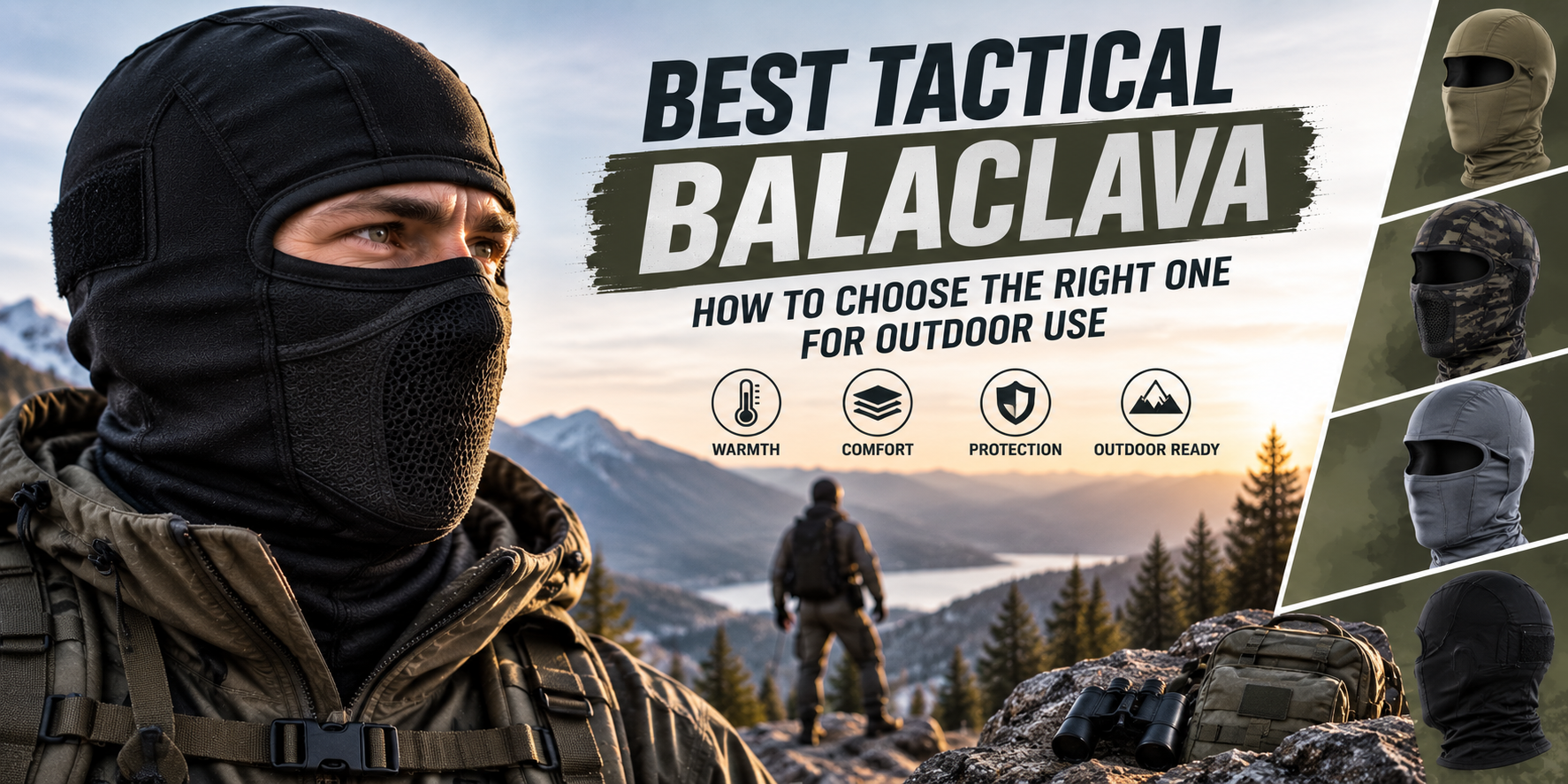
The ideal tactical balaclava should cover the head, face, ears and neck, and should be comfortable to wear while outdoors. The ideal tactical design features durable fabric, breathability, moisture management, secure coverage, and helmet compatibility. It should also be similar to the weather and activity, as hiking, outdoor training, airsoft, cycling, and cold weather use may require different amounts of insulation. So, it is important to compare materials, fit, ventilation, and coverage before selecting a tactical balaclava.
Select the appropriate fabric for outdoor use.
Fabric plays a significant role in comfort and performance. So, the ideal tactical balaclava should be made of a material that is suitable for your climate and activity. Lightweight polyester blends are suitable for active outdoor use as they tend to dry faster and are easier to move around in. Meanwhile, fleece and knitted fabrics can provide more insulation in colder environments. Merino wool can also provide warmth and moisture management. But if the material is too thick, it can generate too much heat during strenuous exercise, so don’t just select fabric for warmth.
Check for breathability when in use.
Body temperature can rise rapidly when outside, even if the weather seems cool. This can cause sweating under the heavy headwear, resulting in a sweaty face and scalp. Breathable material allows warm air and moisture vapor to escape instead of trapping them against your skin. Furthermore, breathing is easier when hiking, cycling or training around the mouth is more comfortable. Read our article about military balaclavas to learn how tactical face coverings came about due to practical protection and demanding use.
Moisture control is a key factor in long-term comfort
The ideal tactical balaclava should absorb sweat, but not just absorb it. Moisture-wicking fabric draws sweat away from the skin and distributes it over a larger area, allowing it to evaporate more quickly. So, synthetic performance fabrics are generally suitable for active outdoor applications. Cotton, on the other hand, will retain moisture longer and can become uncomfortable after heavy exercise. Furthermore, proper moisture control ensures that the balaclava stays comfortable during transitions between high activity and slower times.
Wind and Cold Protection should be considered.
The wind can make the outdoors feel much colder, especially in winter hiking, cycling, or outdoor activities in the mountains. So, a tactical balaclava should cover exposed areas like the cheeks, ears, jaw and neck. A tight fit can also reduce the amount of cold air that can enter through gaps around the face. But there is still a need for adequate ventilation around the mouth and nose. For more lower face mobility, a neck gaiter balaclava can be another helpful way to cover the face and neck outdoors.
Before purchasing, check the fit.
A tactical balaclava should be worn snugly, but not too tight. So, search for sufficient length to conform to the contours of your head, jaw and neck. Loose material can shift during activity, and a too tight design can become uncomfortable after prolonged use. The ideal tactical balaclava should also stay in place when you move your head or adjust other outdoor gear. Furthermore, smooth seams can minimize rubbing around the forehead, ears, and cheeks.
Ensure it is safe to use with a helmet on.
Many outdoor users wear helmets, protective headgear, or winter hats with their balaclava. Thus, low-level construction can enhance overall comfort. Thick fabric and bulky seams may create pressure points when they sit between your head and helmet. Instead, opt for a smooth design that fits snugly without bunching. The dedicated tactical balaclava page displays the kind of tactical headwear category created for challenging outdoor and performance uses.
Select the appropriate level of face coverage.
The coverage required will vary depending on your environment. For instance, a full face design can shield the forehead, ears, cheeks, chin and neck in cold or windy weather. In the meantime, open face or convertible models can offer more ventilation in cooler conditions. So, the ideal tactical balaclava should be appropriate for the amount of exposure you will be facing. Full coverage can be useful for colder outdoor activities, and lighter coverage can be more comfortable for high-intensity movement.
Pay attention to the mouth and nose area.
The mouth and nose parts impact breathing and comfort. So the fabric shouldn’t be tight against your nose or mouth when you are using it. Some tactical designs feature mesh, shaped panels or thinner material in this area to enhance airflow. Furthermore, proper ventilation can help minimize moisture accumulation due to breathing. This is especially important if you are wearing goggles or protective eyewear, as warm, moist air can rise up to the lenses.
Durability is important for outdoor use
Outdoor equipment is subjected to rubbing, stretching, sweat, dirt and repeated washing regularly. So, the quality of stitching and the quality of the fabric should be a factor in your choice. Reinforced edges can help keep areas around openings in shape, and good stretch fabric can bounce back after repeated use. The best tactical balaclava should maintain its fit instead of becoming loose after a few uses. But the mask should not be too heavy or stiff because of its durability.
For colder weather, you might want to think about a tactical knitted design.
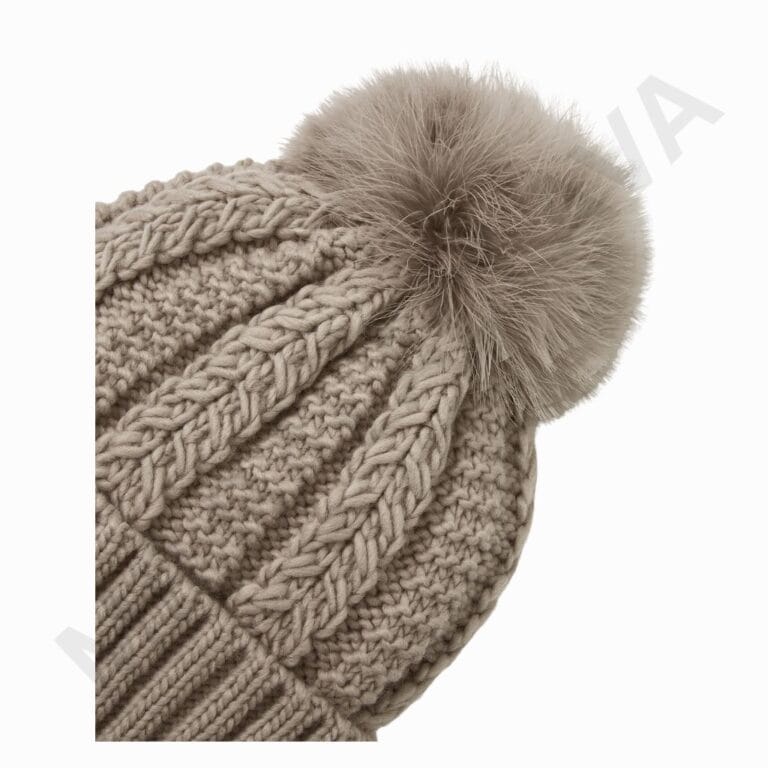
A knitted tactical balaclava can offer additional warmth for outdoor activities in colder weather. Knitted construction provides greater insulation than many thin performance fabrics, making it appropriate for winter recreation, outdoor training and low-temperature applications. But thicker material should always be considered in relation to helmet space and activity intensity. For those who prefer a traditional tactical look with winter coverage, a full-coverage one-hole mask like a tactical mask is an option.
Consider color and outdoor surroundings
The color of a balaclava can also affect its usability for a specific activity. Tactical and outdoor clothing are frequently worn in black, olive, brown, grey, and camouflage colors, which blend seamlessly with jackets and gear. So, select color based on the environment, not appearance.
When selecting the best option, you should consider the following factors:
Start by identifying where and when you plan to wear the balaclava. If you expect cold and wind, prioritize insulation and extended neck coverage. However, if you plan intense outdoor activity, focus more on breathability, moisture control, and lightweight construction. In addition, check helmet compatibility and face coverage before making your choice. The best tactical balaclava should support your activity without creating unnecessary heat, pressure, or movement.
Final Thoughts
Choosing the best tactical balaclava requires more than comparing appearance or fabric thickness. Instead, consider breathability, moisture management, wind protection, stretch, durability, coverage, and helmet compatibility together. Moreover, match the fabric to your climate and activity level. A lightweight tactical mask may work better for active outdoor training, while an insulated or knitted design may suit colder environments. When these features work together, your balaclava can provide reliable protection while remaining comfortable during extended outdoor use.
FAQs
What material is best for a tactical balaclava?
Synthetic performance fabrics work well for active use because they can provide stretch, breathability, and quick drying. Meanwhile, fleece, wool, and knitted fabrics can provide additional warmth in cold weather.
Should a tactical balaclava fit tightly?
It should fit snugly without restricting movement or breathing. Therefore, choose flexible material that stays in place while allowing comfortable head and jaw movement.
Can I wear a tactical balaclava under a helmet?
Yes. However, a thin, smooth design usually works better because thick seams or bulky fabric can create uncomfortable pressure points under a helmet.