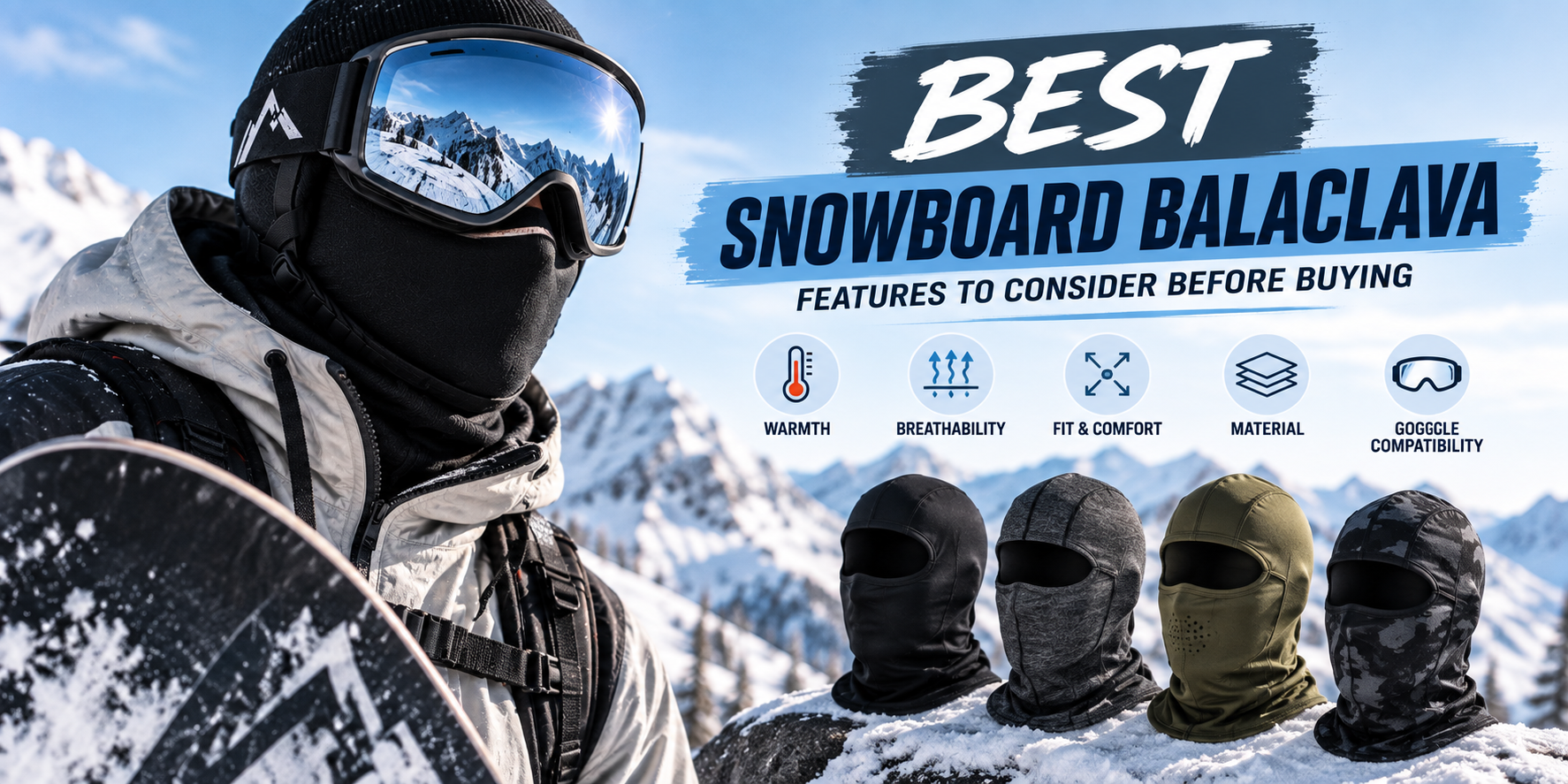
With the variety of styles, fabrics, and prices available, it can be overwhelming to shop for a snowboard balaclava. Some are designed to be as warm as possible, others are designed to be as breathable as possible, and many say they are the “best” without explaining what that means for your riding style. Instead of looking for marketing hype, it’s better to know what makes a good balaclava for the mountain, and then select the gear that is right for you and your riding style.
Fabric is the Foundation of Performance
The fabric used in a balaclava will dictate how warm, comfortable and moisture-absorbing it will be during the day. Fleece is ideal for cold, low-activity situations, such as chairlift rides, and synthetic blends such as polyester-spandex are designed to be breathable and stretchy for high-activity riding. In the middle is merino wool, which provides natural temperature regulation and odor resistance for multi-day trips. The answer will depend on how much you ride and what the weather is like most of the time.
Fit and Helmet Compatibility
The right fit for a balaclava is snug, but not tight, and should not impede movement or breathing. Most riders wear a balaclava under a helmet and goggles, so a low profile design with minimal seams near the temples and forehead will not cause pressure points during long days on the mountain. Fabric that fits various face shapes also helps to eliminate cold spots around the jaw and neckline.
Ventilation for High-Output Riding
Snowboarding requires a lot of quick, high-intensity physical activity, whether it’s climbing to a feature or carving through deep powder. A balaclava with mesh ventilation panels around the mouth and nose will allow heat and moisture to escape during these times, avoiding the damp and overheated sensation that non-breathable fabric would cause. This is particularly relevant for riders who spend time in terrain parks or backcountry environments where the level of exertion can vary suddenly.
Coverage Style: Full-Face vs. Partial
Full-face balaclavas provide the highest level of coverage, covering the entire face except for the eyes, and are suitable for very cold or windy days. Partial coverage styles expose the nose and mouth, making breathing and communication easier. Some riders prefer these styles for casual rides or milder weather.
The decision between the two is usually based on the amount of cold exposure you’re willing to sacrifice for comfort and airflow.
The durability of the product for repeated seasonal use.
A good snowboard balaclava should last through several seasons of regular use, including snow, sweat and washing. Flatlock seams minimize fraying over time, especially at high friction points such as the mouth opening and helmet contact points. A good quality, well-made balaclava is a worthwhile investment that will last longer than a cheaper one that needs to be replaced each season.
The following are some of the style options to consider:
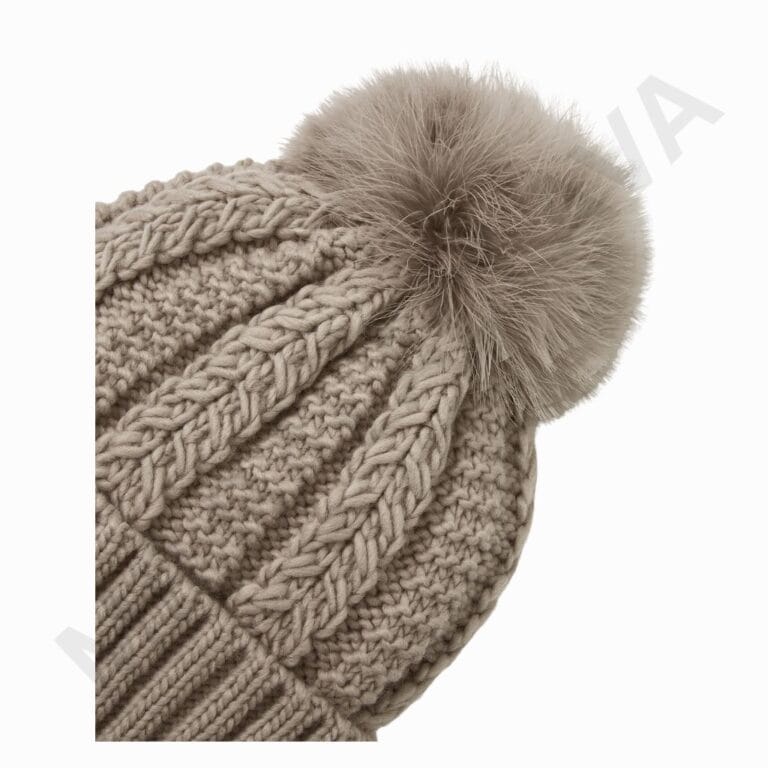
In addition to the basic performance characteristics, style contributes to everyday comfort and convenience. Others like a hybrid style that combines balaclava coverage with a soft hood for additional warmth around the crown, which can be worn under a helmet or off the slopes. The popularity of a balaclava hoodie style can be seen when snowboarders are not on the slopes, as they seek warmth, flexibility, and a more relaxed fit.
Choosing Between Standard and Hooded Designs
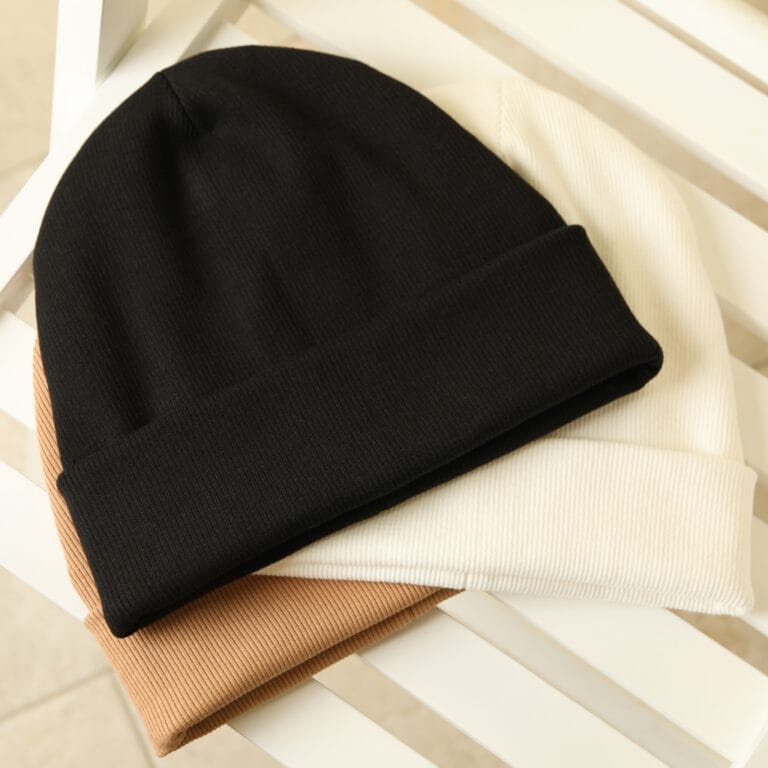
A hooded design is a great option for those who prefer a single piece of clothing that provides both head protection and comfort, eliminating the need for an extra beanie. A dedicated hooded balaclava design typically includes customizable depth and closure options, making it easier to fine-tune coverage around the neck and crown based on personal preference and riding conditions.
The snowboarder’s practical choice.
A well-made 2-hole balaclava is a classic style that is ideal for snowboarding, tactical training, and everyday winter wear, providing reliable warmth and full coverage without the bulk. The two-hole design offers good visibility and even heat distribution over the face and neck, making it a reliable choice for riders who value simplicity and performance over advanced features.
Balancing Price and Performance
Expensive doesn’t always mean good and some inexpensive balaclavas work just as well as the expensive ones for casual riders. However, moisture-wicking fabric, reinforced seams, and helmet-specific fit often come at a premium for riders who spend many full days on the mountain in a variety of conditions.
Final Thoughts
The key to choosing the best snowboard balaclava is not necessarily the most expensive or the most heavily marketed — it’s about matching the fabric, fit and ventilation to your actual riding style and typical conditions. When it comes to high-intensity riding, breathability is a top priority, helmet compatibility is essential, and durability is key, you can rest assured that you’ll have a balaclava that performs well season after season without sacrificing comfort.
FAQs
What’s the most important feature to look for in a snowboard balaclava?
Breathability is often the most overlooked but critical feature, since snowboarding’s high-exertion bursts generate more heat and sweat than steadier activities like skiing.
Is a full-face balaclava necessary for snowboarding?
Not always. Full-face designs suit extreme cold or high-wind conditions, while partial coverage styles work well for milder days when easier breathing and communication matter more.
How long should a quality snowboard balaclava last?
With proper care, a well-constructed balaclava can last multiple seasons. Look for flatlock seams and durable fabric to avoid early fraying or thinning.