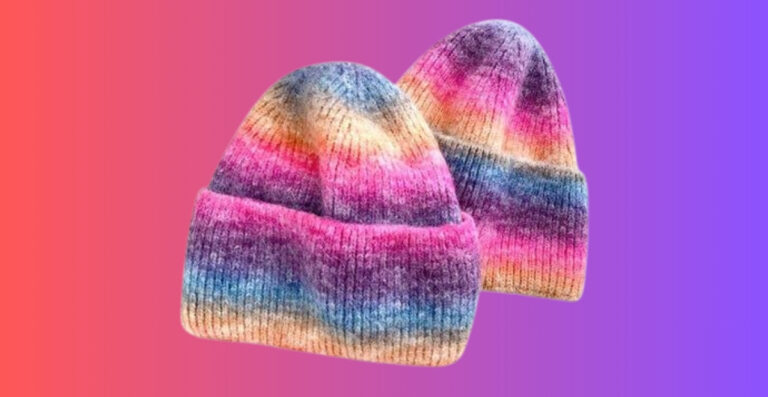

By incorporating style, warmth, and comfort into one product, the sustainable beanie exemplifies positive progress in contemporary fashion. Once an accessory intended purely for providing warmth, the beanie has transformed into an influential fashion accessory and many buyers now also ask how it is made. The sustainable beanie embodies the lifestyle shift as customers shift their concerns toward the issues of climate change, waste, and worker exploitation within the fashion industry. A beanie in recycled or organic yarn lets a person match their personal style with the values they care about. The increase in the number of sustainable beanies available for purchase exemplifies the change towards slow fashion, where the focus is on quality, durability, and responsibility. These beanies move away from short life spans and rapid trend cycles, and a well-made beanie offers affordable comfort that can be worn for many seasons. Choosing recycled fibers or responsibly sourced wool is one small change a person can make in their wardrobe.
Comparing styles? Our guide to the different types of beanies explains every shape, knit, yarn and trim in one place.
What Makes a Beanie Sustainable?
Buyers usually call a beanie sustainable when they look closely at its materials, how it is made and how long it is likely to be worn. Instead of standard synthetic yarns only, these beanies typically use recycled or organic options. It begins with the raw materials: recycled and organic yarns are available on request, supplied with the mill’s or spinner’s certificate. Sustainability also encompasses production of the beanies. Fair pay and safe conditions of workers and transparency in the supply chain are also important.
Modern Style & The Rise of Conscious Fashion
Interest in responsibly made fashion has moved from a niche concept to a movement that shapes how people think about clothing and accessories, from the wool beanie to the winter coat. Today’s consumers are more knowledgeable and curious about a product’s origin and production processes. This demands a sustainable alternative; for example, the modern-day beanies. Today’s styles are about authenticity and sustainability, just as much as they are about aesthetics. For many buyers, the value of these choices goes beyond the look of the product. From the perspective of ethical fashion, sustainable beanies are a good choice because they look great and are comfortable. They also give people a stylish way to choose recycled or organic materials.
Organic and Recycled Beanie Materials
The materials used in sustainable beanie production directly affect comfort, performance and sourcing. Organic cotton is one of the most popular options; it is typically grown without synthetic pesticides or fertilizers. Merino wool is often chosen for its softness, breathability and warmth. Wool is also used for other headwear, such as the wool visor cap.
Respecting Workers’ Rights in Manufacturing
The people responsible for making a product are just as important as the materials themselves. Many buyers prefer to work with factories that are open about their working conditions and supply chain. Responsible purchasing, whether of a simple cuffed beanie or a fisherman beanie, helps keep exploitative and unsafe workplaces out of the fashion industry. Ethical manufacturing extends down the supply chain and can support the communities involved.
Recycled and Natural Yarn Options
Many buyers now ask about the yarn behind a beanie before they order. Recycled and organic yarns are available on request, supplied with the mill’s or spinner’s certificate. Natural fibers such as cotton and wool are also popular, from simple cuffed styles to the earflap beanie.
Design, Comfort, and Everyday Wear Ability
When speaking about sustainable fashion, people might point to the lack of style and comfort.Sustainable beanies can offer the same comfort and style as conventional ones. Beanies made of natural fibers are breathable and warm. Beanies also come in a variety of style, fit, and color options. Careful knitting and good yarn help a beanie keep its shape for longer.
Conscious Beanies in Streetwear Fashion
Beanies are a great way to express individual style and awareness in streetwear culture. Streetwear as a culture has always showcased social movements and culture and in recent years sustainability has become a theme. Beanies in recycled or organic yarn reflect this theme. Simple, understated beanies come in many colors, either plain or with a black design, and suit authentic streetwear culture.
Simply Style vs Statement Sustainable Beanies
Different styles appeal to different people. A simple beanie can have a simple style to it or it can be a statement piece. A simple beanie can use warm neutral and even give off a monochromatic vibe. It can also have a statement design. Instead of just a cool pattern it can have different materials and textures. It can be made from recycled yarn without compromising style.
How to Style Sustainable Beanies for Modern Fashion
Because of their all-round adaptability, sustainable beanies can be styled with ease. For a casual everyday look, throw on a neutral beanie with a pair of jeans, a hoodie, and sneakers. This keeps you cozy and gives you a clean, modern look. In winter, sustainable beanies go well with layered looks, like a wool coat, a scarf, and some boots. For a more street style look, add some more oversized pieces, and play with monochromatic and textured fabrics.
Caring for Sustainable Beanies to Extend Their Life
The very first rule of caring for sustainable beanies is to use a very gentle approach with them. Also, avoid washing them more often than needed. An especially gentle method is hand washing a beanie in cold water with a mild soap. This is especially true for wool and organic cotton beanies. To prevent damage and save energy, air dry beanies instead of using a dryer. To maintain their shape, store beanies folded rather than stretched.
Why are Sustainable Beanies the Future of Fashion?
Sustainable beanies are a popular option because they give people a stylish way to make more considered choices. As more brands and companies slow down and rethink how they work, customers expect more honesty and transparency in regards to the new trends and sustainable practices being implemented to keep relevant. Beanies are a great addition to the world of sustainable fashion. They are affordable, and recycled and organic yarns are available on request, supplied with the mill’s or spinner’s certificate. They are a simple first step towards more considered habits. Small choices can add up to real change in the world of fashion.
Conclusion
Sustainable beanies bring together thoughtful planning, good design, careful production and modern styles.
FAQs
What are sustainable beanies made from?
Sustainable beanies are usually made from materials such as organic cotton, recycled polyester, responsibly sourced wool, bamboo and hemp fibers.
How can I check the materials of a sustainable beanie?
Ask for the yarn certificate: recycled and organic yarns are available on request, supplied with the mill’s or spinner’s certificate.
Do sustainable beanies last longer than regular beanies?
A well-made beanie in good yarn usually lasts longer, which can mean fewer replacements. How long it lasts also depends on care and use.