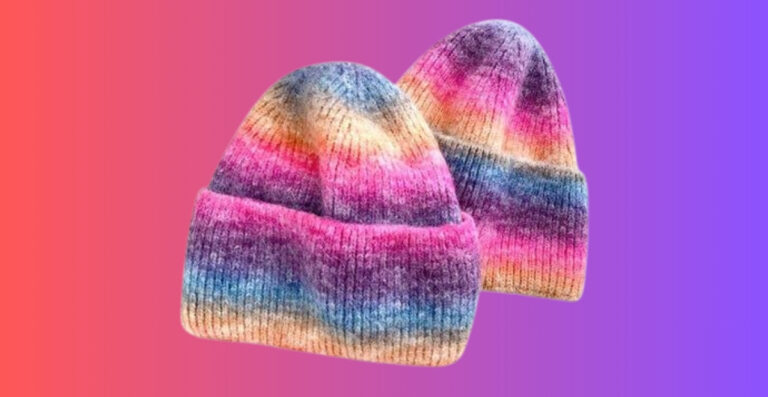
The British Balaclava has evolved from a plain cold-weather hat into a versatile accessory that adds warmth, functionality and style, making it an ideal addition to winter wardrobes in 2026. It covers most of the head, ears, neck and face, with an opening for the eyes or face depending on the design. This is great for winter wear, walking, biking, skiing, and commuting in cold weather. Modern versions come in knitted yarns, fleece, wool blends, cotton and technical fabrics, so people can select a design to match the weather, activity and their individual taste.
Why the British Balaclava Is Relevant in 2026
One item of clothing can make a real difference to warmth and style, and the British Balaclava shows this: it is a popular fashion item in the winter months today. Traditional winter outfits may rely on multiple hats and scarves, while a balaclava can cover several exposed areas at once. Modern designs can also be worn with coats, puffer jackets, hoodies, helmets and casual streetwear. Those who want to explore different designs can shop for a wider selection of balaclava hats. They can also learn how face openings, materials, colors, and knitting techniques change the look and function of this signature winter hat.
A Longstanding Winter Staple
The term “balaclava” comes from the Crimean War and the Battle of Balaclava, where soldiers wore knitted headwear during severe winter conditions. Over time, this simple concept evolved into various forms of protective headwear. The British Balaclava still carries this functional identity, but today, people can wear it for many occasions. Modern designs appear in outdoor apparel, motorcycle clothing, ski gear, workwear, and fashion collections. This lengthy evolution from practical winter gear to everyday attire is perhaps why the balaclava has made a comeback once the weather gets colder.
How a British Balaclava Helps in Cold Weather
A British Balaclava provides an added barrier between skin and the cold weather. Depending on the design, its coverage might help to limit direct exposure around the ears, forehead, cheeks, chin and neck area. This can be particularly helpful on windy winter mornings when a regular hat has a lot of the face exposed. The amount of heat depends significantly on the thickness of the fabric, the knit structure, the fit, the moisture absorption properties and weather conditions. A heavy British-style knitted Balaclava hat can be worn for casual outdoor wear, and a lighter, more porous model can be more comfortable when riding, walking or otherwise using the hat for an active purpose.
The Fabrics Used for Modern British Balaclavas
The material makes a significant difference to the “feel” of a British Balaclava and its performance. Wool and wool blends suit the winter season; acrylic yarns offer softness, stretch, and easy care. In colder weather, fleece can provide extra insulation. Cotton is soft and breathable, but isn’t as insulating as heavier fabrics in harsh winter weather. Where stretch, moisture control, quick drying or helmet fit matter, technical synthetic fabrics can help. Buyers shouldn’t select a British Balaclava just by its looks, but also by its material and fit.
British Balaclava Styles to Know
The British Balaclava is available in several constructions, and each one changes the balance between coverage, visibility, warmth, and style. Common options include:
Helmet-compatible balaclava — uses a slimmer construction to reduce bulk beneath protective headgear.
One-hole balaclava — provides broad facial coverage with one main opening.
Two-hole balaclava — uses separate openings around the eyes.
Three-hole balaclava — normally includes two eye openings and one mouth opening.
Open-face balaclava — exposes more of the face for easier breathing.
Knitted balaclava — offers a classic winter appearance and soft insulation.
Fleece balaclava — provides extra warmth for colder outdoor conditions.
Lightweight balaclava — works better for active use and layering.
Convertible balaclava — allows the wearer to change the amount of face coverage.
The British Balaclava as a Fashion Item
The British Balaclava is also still pertinent in 2026 because of fashion. A simple winter outfit can be completed with a plain, black or neutral knitted design, or a bright colour, a textured knit, a pattern or an oversized shape can be an accent. Streetwear has also revolutionized the concept of face-covering winter wear, making it more than just a functional item. A large puff coat, large wool coat, large technical shell, sweatshirt or matching knitwear can all be used as a pairing with a British Balaclava. Balance is the key and sometimes a bold style of balaclava can go with simpler pieces of clothing, and at other times a neutral style of balaclava can leave room for experimentation with the rest of the outfit.
Getting the Fit Right
The fit is important as a too tight British style balaclava might be cumbersome around the face, nose, chin or neck, and a too loose design will be able to shift and let more cold air in. Stretchy knitted fabrics will generally conform to various shapes of heads but the opening must still fit around the face. Those intending to use one under a helmet need to find one that is less bulky and has smooth lines. A slightly heavier British Balaclava can give a more muted look, and extra insulation without having to be tight across all areas of the head.
The British Balaclava: Ideal for Commuting and Outdoor Activities
For people who spend a lot of time outdoors in winter, the British Balaclava can be helpful. Thinner breathable designs that fit under helmets are popular among cyclists, and thicker knitted designs are popular with walkers and commuters for keeping warm. Skiers and snowboarders often need moisture management as well as insulation, since physical exertion can cause heat and sweat even in cold weather. Durability and compatibility with other protective clothing may matter more for outdoor workers. Because these activities have different needs, the thickest British Balaclava is not always the best choice. Consider comfort, breathability, fit and layering.
How to Style Your British Balaclava
The British Balaclava comes in a variety of colors and fabrics, making it an easy addition to any outfit if the right choices are made. Traditional winter jackets and coats typically go with black, charcoal, navy, brown, cream, or gray as colors. Lighter shades can serve as a contrast with darker outer clothing. A knitted British Balaclava is also an ideal complement to winter textured fabrics like fleece, quilted fabrics, denim and wool. If the balaclava is to be worn for a more refined look, stick to a similar color palette to the jacket. If you want to add more streetwear flair, opt to make the main feature a contrasting colour or a unique knit pattern.
What to Consider When Choosing a British Balaclava
When selecting a British Balaclava, take into account where and when it will be used. Someone who wears it mainly for short winter trips might prefer softness and style, whereas someone who spends long periods on the road will care more about insulation and moisture management. Check the material, thickness, stretch, face opening, seam design, neck coverage and care instructions. If you plan to wear it beneath a helmet, check the bulk around the head and seams. A good British balaclava should provide useful warmth without causing discomfort. It should not make breathing difficult or impair your vision. It should also allow easy head movement during normal winter activities.
Conclusion
Today the British Balaclava is no longer just a traditional item of cold-weather clothing but an integral part of the contemporary winter wardrobe. Its warmth, face and neck coverage and layering versatility are what make it appealing in 2026: knitted options for a traditional winter style, and lightweight technical knits for sports, helmets and active outdoor wear. When choosing a British Balaclava, take more than looks into account: consider the material, thickness, breathability, fit and what the hat is for. Chosen well, it can be a practical addition to your winter wardrobe and a stand-out accessory during the cold months.
FAQs
What is a British Balaclava?
The term “balaclava” comes from the Crimean War and the Battle of Balaclava, where soldiers wore knitted headwear during severe winter conditions. Over time, this simple concept evolved into various forms of protective headwear. The British Balaclava still carries this functional identity, but today, people can wear it for many occasions. Modern designs appear in outdoor apparel, motorcycle clothing, ski gear, workwear, and fashion collections.
Is a British Balaclava good for winter?
Yes. A British Balaclava can provide useful winter coverage, especially around areas that a normal hat may leave exposed. Its warmth depends on its fabric, thickness, construction, and fit.
What material is best for a British Balaclava?
Wool and fleece can work well for warmth, while lightweight synthetic fabrics are often better for active use. Cotton and acrylic options are also available for different comfort and care needs.