
Materials
Fabric & Material Library
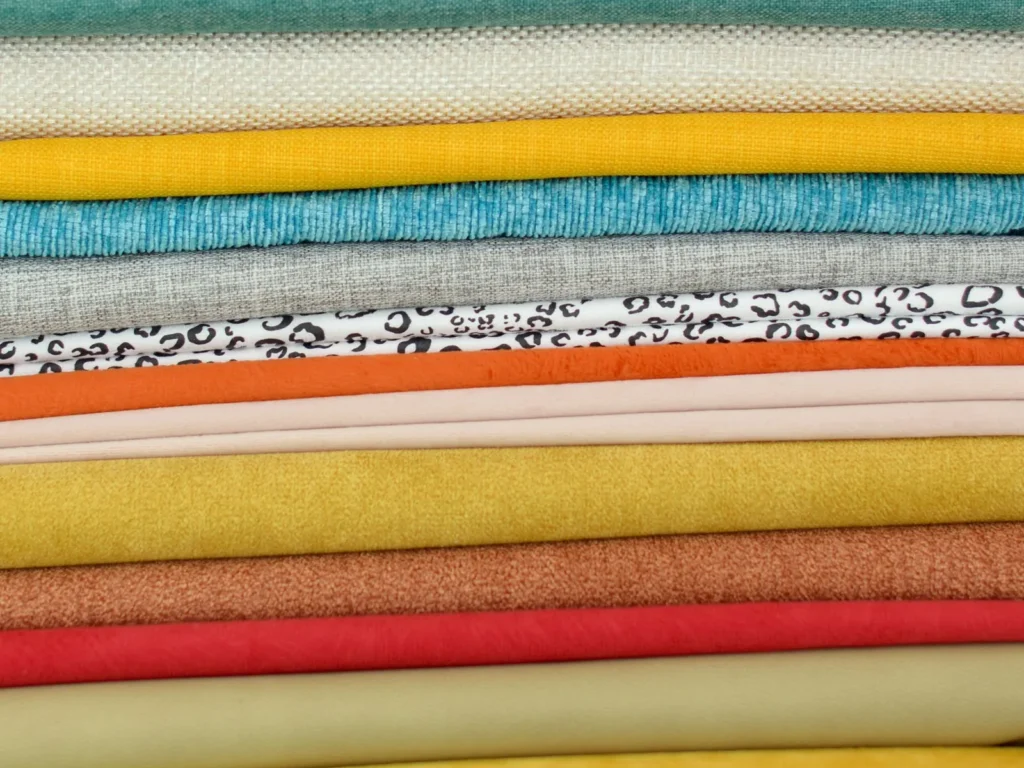
Compare the fabrics used for custom balaclavas, beanies, scarves, socks, ski wear and caps by construction, weight, typical performance, decoration options and recycled or organic alternatives. Each fabric shows what is typical for its type; the exact composition, weight and colours for your order are confirmed with your quote.
Updated
- 50 pcsMinimum order
- 14 daysStandard lead time
- OEKO-TEX®Fabrics from certified mills
- ISO 9001Certified (Eco Jersey Limited)
- SedexMember (Eco Jersey Limited)
Fabric Finder
Find the right fabric in three questions
Tell us what you are making, what matters most and when it is worn. We suggest three fabrics from the ones we offer for that product, and you can compare them side by side.
Material families
Start with a fabric family
Start with a family, then compare its fabrics on the family page. One fabric can sit in several families: a recycled polyester microfleece is a polyester, a fleece and a performance fabric at the same time.

Fleece Fabrics
A knitted fabric with a brushed, raised surface that traps air. Chosen where warmth matters more than a smooth face: cold-weather balaclavas, neck warmers, linings and ski layers.A construction, not a fibreTraps warm airLight to heavy weightsCommon in: Balaclavas, Ski wear, Scarves, Beanies
Cotton Fabrics
A natural fibre that is soft, breathable and comfortable against the skin. Knitted as jersey or rib for all-season balaclavas, beanies, bandanas, socks and linings.Soft and breathableTakes reactive dyes wellSlow to dry when wetCommon in: Balaclavas, Beanies, Socks, Caps & hats
Merino Wool & Wool Blend Fabrics
Fine wool that insulates, handles moisture and resists odour. Blended with nylon or elastane for strength and stretch in premium balaclavas, beanies, base layers and socks.Warm for its weightResists odourNeeds gentle careCommon in: Balaclavas, Beanies, Socks, Scarves, Ski wear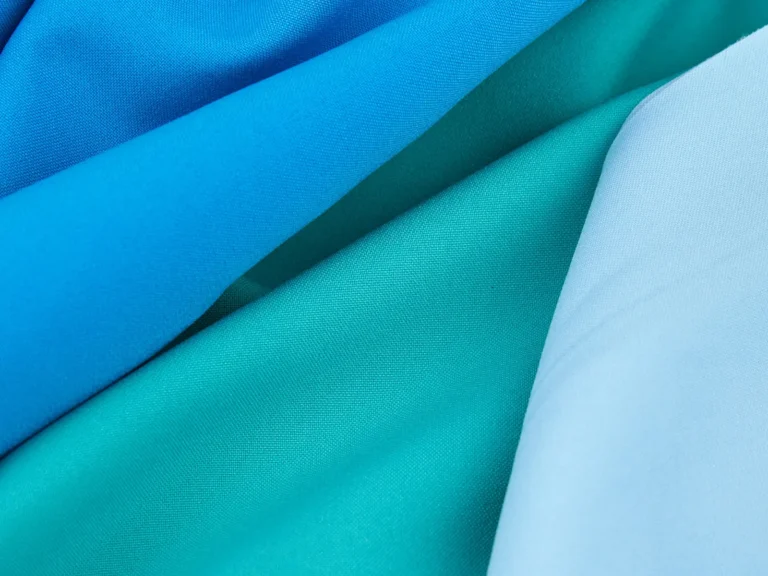
Polyester & Recycled Polyester Fabrics
The standard synthetic for sports and outdoor products: quick-drying, durable and the base fibre for sublimation printing. Recycled polyester (RPET) performs in the same way.Quick-dryingSublimation-readyRecycled optionCommon in: Balaclavas, Ski wear, Caps & hats, Socks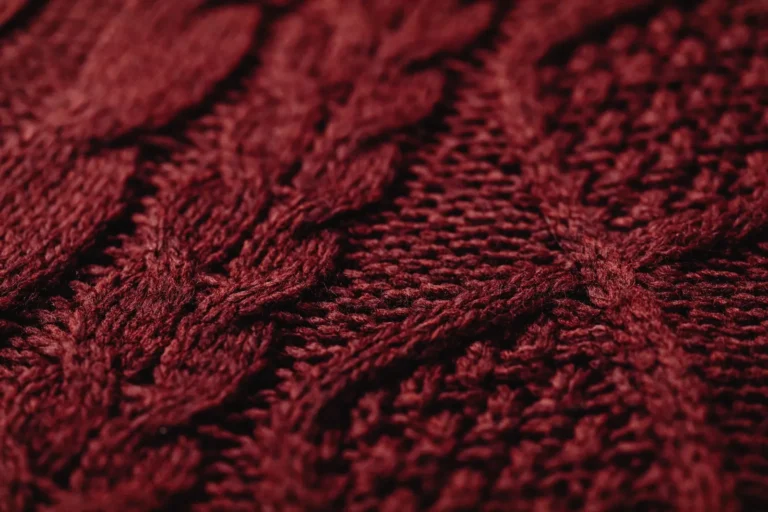
Acrylic Knits & Yarns
A synthetic fibre spun into soft, wool-like yarn. The usual choice for knitted beanies, scarves and knitted balaclavas where colour range and easy care matter.Wool-like hand feelWide colour rangeEasy careCommon in: Beanies, Scarves, Balaclavas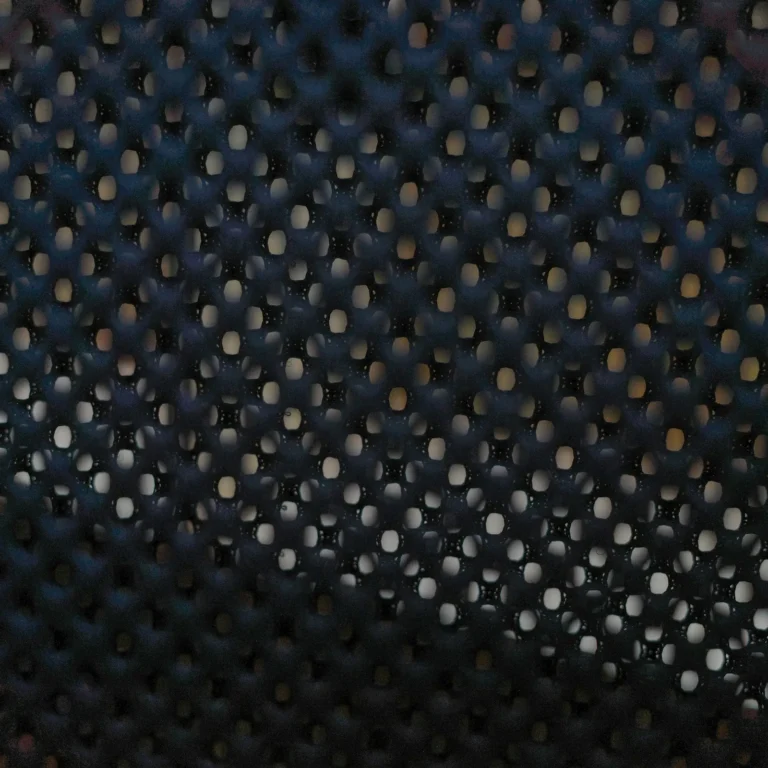
Performance Fabrics
Knits and bonded fabrics chosen for a job: moving sweat, stretching with the body, venting heat or blocking wind. Used in sports balaclavas, neck gaiters, helmet liners and ski wear.Moisture managementStretch and recoveryVenting or wind-blockingCommon in: Balaclavas, Ski wear, Caps & hats, Socks
Shell & Waterproof Fabrics
Woven outer fabrics for ski jackets, pants and suits: pongee, taslan, ripstop, oxford and stretch wovens, PU-coated or laminated to a waterproof-breathable membrane.Waterproof 5K to 20KWindproofSeams fully tapedCommon in: Ski wear
Insulation & Linings
What goes inside a ski jacket or suit: polyester wadding and fibre fill for warmth, and taffeta, tricot, mesh or fleece linings for comfort and easy layering.Warmth without bulkSmooth to layerQuick-dryingCommon in: Ski wear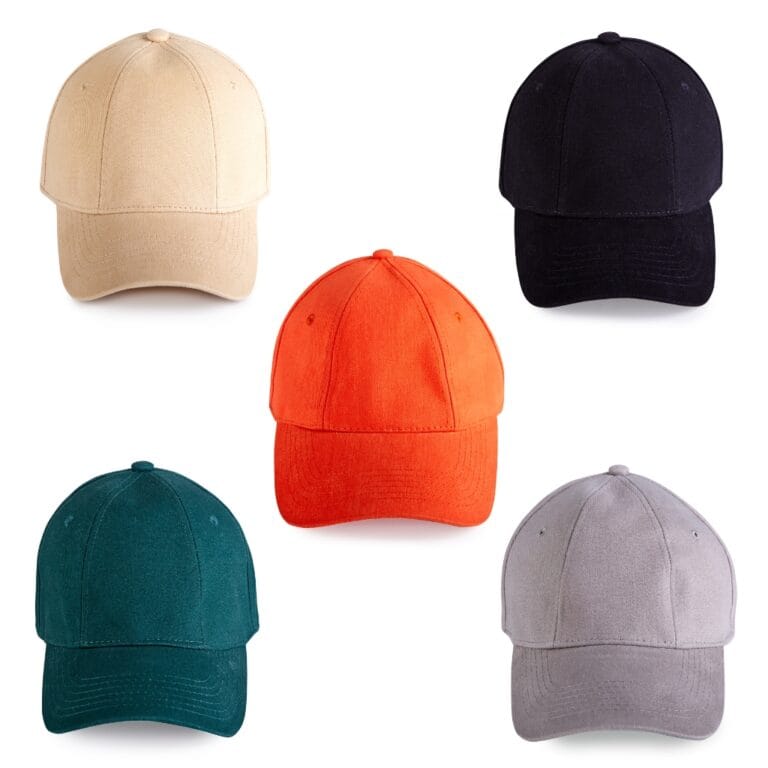
Cap & Hat Materials
The fabrics, straws and components behind custom caps and hats: cotton and poly-cotton twill, canvas, denim, corduroy, nylon, wool and fur felt, faux suede, sherpa and faux fur, linen and terry, and paper, wheat, palm, seagrass and toquilla straw, plus the buckram, foam and sweatbands that give a cap its shape.Structure comes from interliningFabric sets the seasonSublimation only on polyesterCommon in: Caps & hats
Sock Yarns & Constructions
The yarns and knit structures behind custom socks: combed cotton, merino, bamboo viscose and recycled polyester, and the terry, rib, jacquard, mesh and grip constructions that decide cushioning, stretch and warmth.Almost always a blendCushioning by constructionDesigns knitted inCommon in: Socks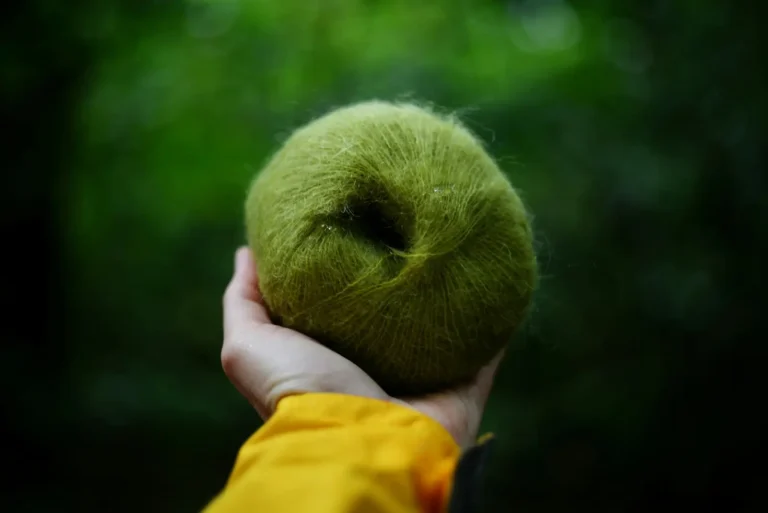
Knitting Yarns
The yarns behind knitted beanies, balaclavas and scarves: acrylic, cotton, lambswool, cashmere, alpaca and mohair, polyester and recycled yarns, viscose, chenille and wool blends, and what each changes in warmth, softness and care.Warmth comes from the fibreLogos knitted inBlends balance cost and careCommon in: Beanies, Balaclavas, Scarves
Scarf Fabrics
The fabrics behind custom scarves: mulberry silk twill, habotai, satin, chiffon and georgette, polyester satin, chiffon and silk-touch twill, viscose and modal, cotton voile and bandana cotton, woven cashmere, pashmina and wool, and the double-layer jacquard knit of fan scarves.Weave sets drape and sheenSublimation only on polyesterSilk weighed in mommeCommon in: Scarves
All fabrics
Filter the fabric library
Narrow the list by fibre, construction, weight class, product, decoration method or use. Warmth, breathability and stretch are relative to the other fabrics in this library, not lab values.
Showing 126 of 126 fabrics
Cotton
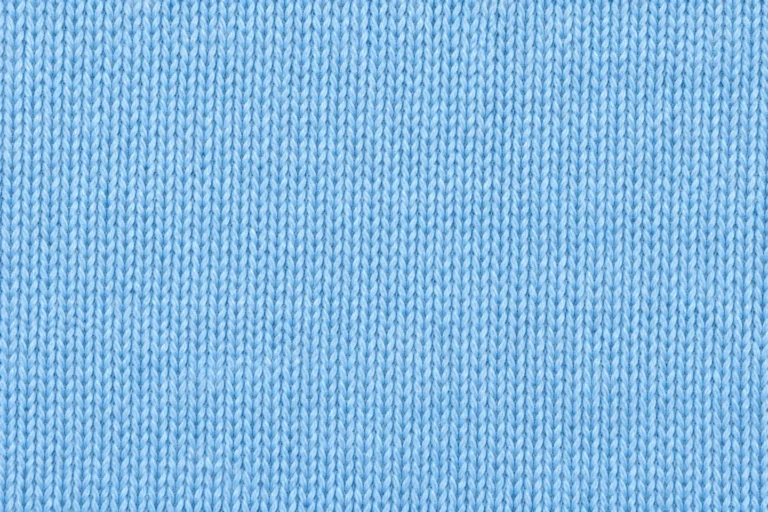
Lightweight Cotton Jersey
A thin, single-knit cotton fabric with a smooth face. Breathable and soft on the skin, it suits summer-weight balaclavas, liners and lightweight beanies rather than cold-weather…
Single jerseyLightweight
- Warmth
- Low
- Breathability
- Very high
- Stretch
- Moderate
Cotton
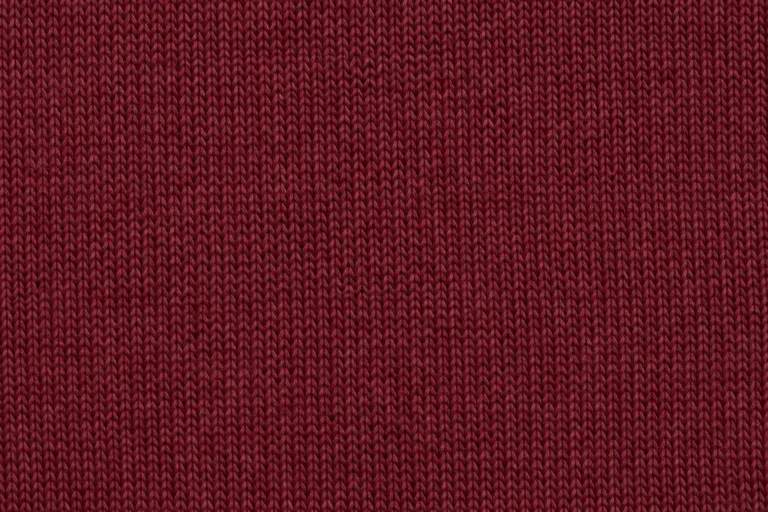
Midweight Cotton Jersey
A heavier cotton jersey with more body than lightweight jersey. It holds its shape and takes prints and embroidery well, which makes it a practical all-season…
Single jerseyMidweight
- Warmth
- Moderate
- Breathability
- High
- Stretch
- Moderate
Cotton
Cotton Interlock
A double-knit cotton fabric that looks the same on both sides: smooth, stable and soft, and less prone to curling at cut edges than single jersey.
InterlockMidweight
- Warmth
- Moderate
- Breathability
- High
- Stretch
- Moderate

Fleece
Cotton-Rich Brushed Fleece
A knitted cotton-rich fabric whose inner face is brushed into a soft pile. It is warmer than plain jersey and keeps a natural feel, like the…
Brushed-back fleeceMidweight
- Warmth
- High
- Breathability
- High
- Stretch
- Moderate

Fleece
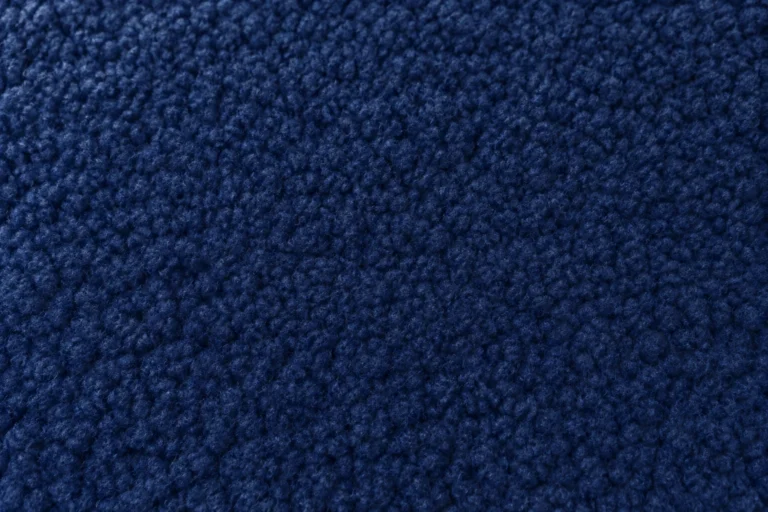
Polyester Microfleece
A fine, low-pile polyester fleece, often with an anti-pilling finish. Warm for its weight, quick-drying and not bulky, which is why it is common in balaclavas,…
MicrofleeceLightweight
- Warmth
- High
- Breathability
- High
- Stretch
- Moderate
Fleece
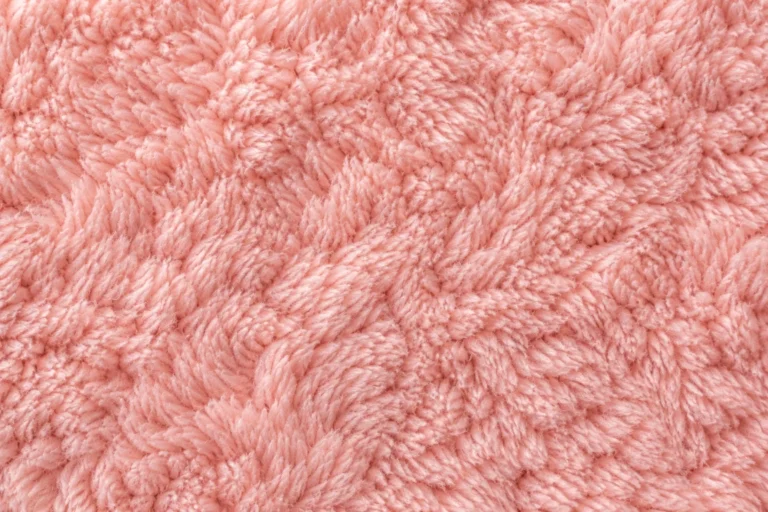
Polar Fleece
A double-sided polyester fleece with a thick, lofty pile: one of the warmest common fleeces. Used for winter balaclavas, neck warmers, scarves and hat linings. On…
Polar fleeceMidweight
- Warmth
- Very high
- Breathability
- High
- Stretch
- Low
Fleece
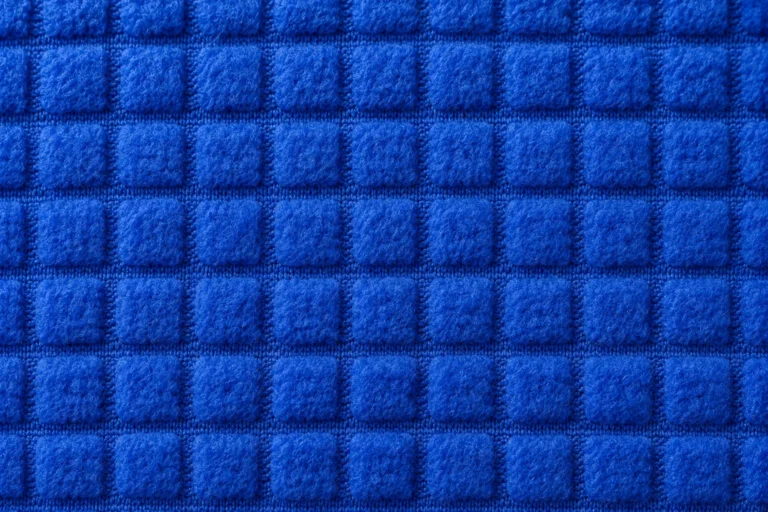
Coral Fleece
A polyester fleece with a longer, very soft pile, chosen for its plush hand feel. Suited to linings, scarves and fashion pieces where softness matters more…
Coral fleeceMidweight
- Warmth
- High
- Breathability
- Moderate
- Stretch
- Low
Fleece
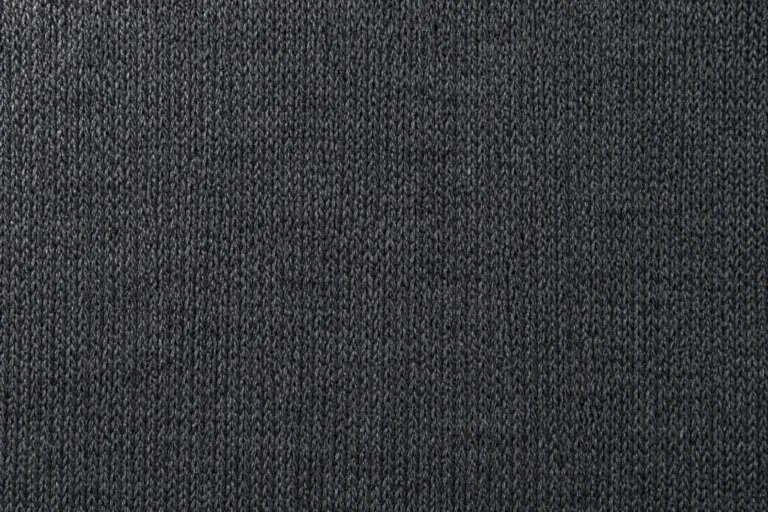
Technical Grid Fleece
A performance fleece with a brushed grid on the back: the raised squares hold warmth while the channels between them let moisture and air escape. Used…
Grid (technical) fleeceMidweight
- Warmth
- High
- Breathability
- High
- Stretch
- High
Fleece
Brushed-Back Stretch Fleece
A stretchy polyester-elastane knit with a smooth face and a soft brushed back that traps warmth. It moves with the body, so it suits fitted mid-layers,…
FleeceBrushed-back fleeceMidweight
- Warmth
- High
- Breathability
- High
- Stretch
- Very high

Fleece
Windproof Laminated Fleece
Fleece bonded to a thin windproof membrane, with a second fleece or a knitted face on the other side. It helps block cold wind while staying…
FleeceBonded / laminatedHeavyweight
- Warmth
- Very high
- Breathability
- Moderate
- Stretch
- Moderate
Merino & Wool Blends
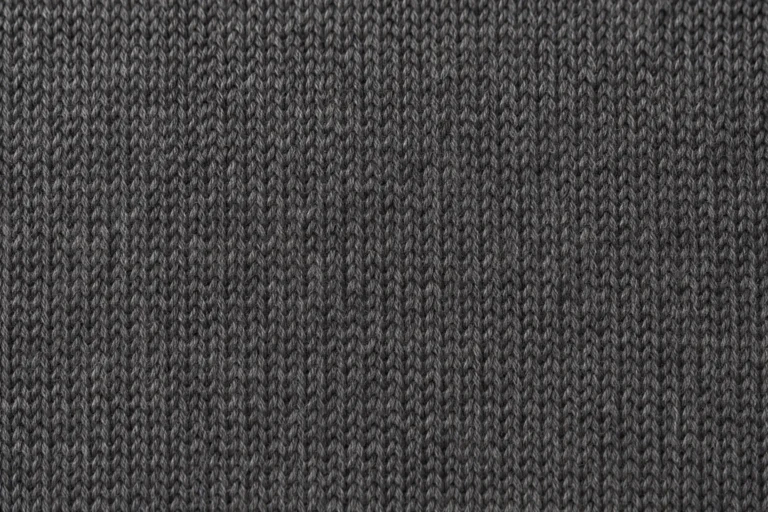
Merino Wool Jersey
A fine knitted merino wool fabric that helps regulate temperature, moves moisture and tends to resist odour, so it usually stays comfortable through a long day…
Single jerseyMidweight
- Warmth
- High
- Breathability
- Very high
- Stretch
- Moderate
Merino & Wool Blends
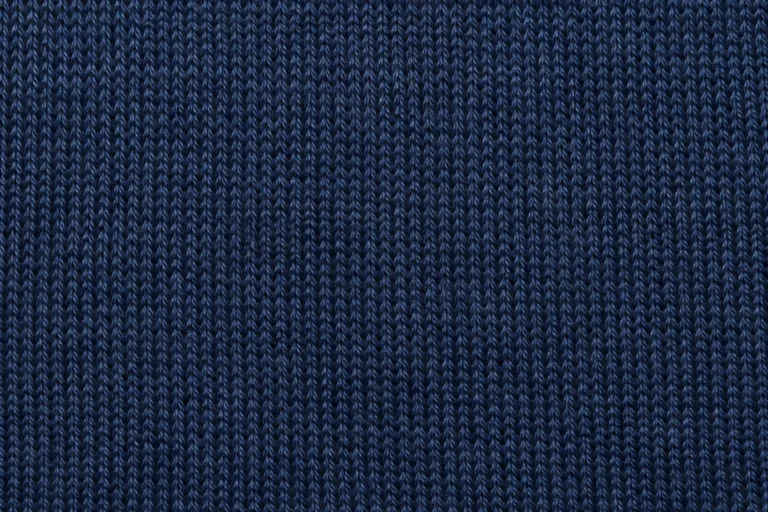
Merino Wool Blend (Nylon or Elastane)
Merino blended with nylon for abrasion resistance or with elastane for stretch and recovery. It keeps much of merino's warmth and odour resistance, usually with better…
Single jerseyMidweight
- Warmth
- High
- Breathability
- High
- Stretch
- High
Merino & Wool Blends
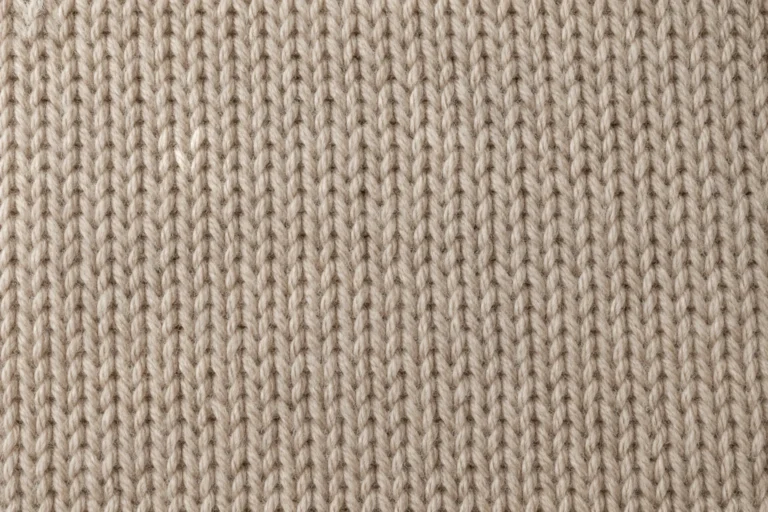
Merino & Wool Yarn Knit
Wool or merino yarn knitted directly into the product, as in beanies, scarves and knitted balaclavas. Warm, breathable and able to carry knitted-in patterns and logos.
Rib knitKnitted from yarnLight to heavy (varies)
- Warmth
- Very high
- Breathability
- High
- Stretch
- High
Merino & Wool Blends
Merino/Polyester Blend
Merino blended with polyester, usually so that it dries faster and costs less than pure merino while keeping some of wool's comfort.
Single jerseyMidweight
- Warmth
- High
- Breathability
- High
- Stretch
- Moderate
Acrylic
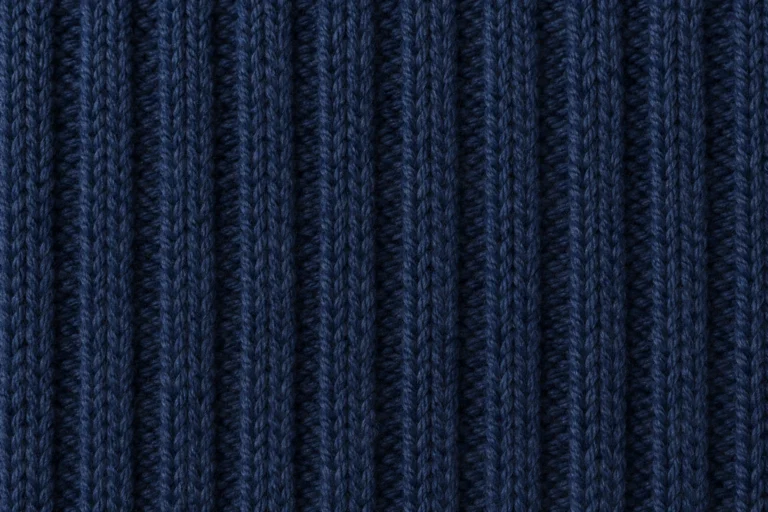
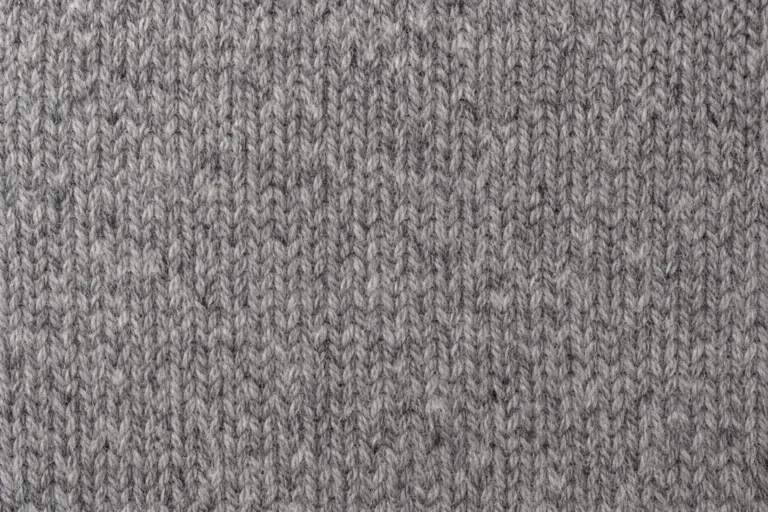
Acrylic Rib Knit
Acrylic yarn knitted in a rib that stretches and springs back, which is what lets a beanie or knitted balaclava hug the head. Soft, light, easy…
Rib knitKnitted from yarnMidweight
- Warmth
- High
- Breathability
- High
- Stretch
- High
Acrylic
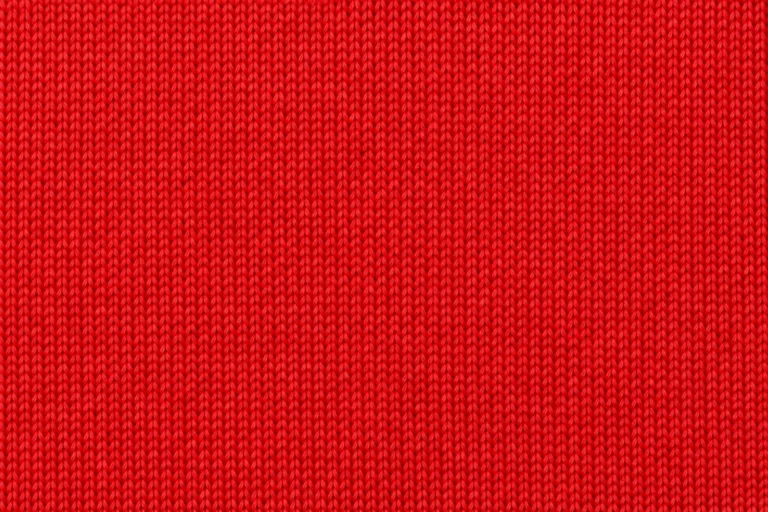
Acrylic/Wool Blend Knit
Acrylic blended with wool, usually giving more warmth and a more natural hand than pure acrylic, at a lower cost and with easier care than pure…
Rib knitKnitted from yarnMidweight
- Warmth
- High
- Breathability
- High
- Stretch
- High
Polyester & Recycled Polyester
Polyester Interlock
A double-knit polyester with a smooth, stable face on both sides. It takes sublimation and screen prints cleanly and keeps its shape, so it is used…
InterlockMidweight
- Warmth
- Moderate
- Breathability
- High
- Stretch
- Moderate

Polyester & Recycled Polyester
Heavy Double-Knit Polyester
A thick, firm double knit, heavier than interlock, with a smooth face on both sides and good body, similar to ponte. It keeps its shape and…
Double knit (heavy)Heavyweight
- Warmth
- High
- Breathability
- Moderate
- Stretch
- Moderate

Polyester & Recycled Polyester
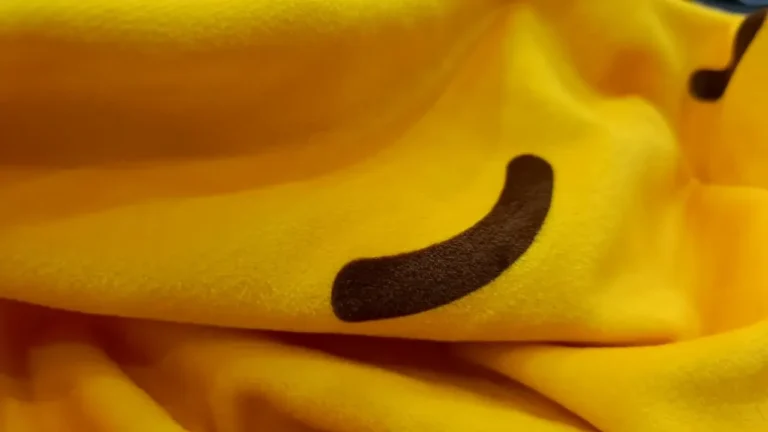
Polyester Microfiber Knit
A fine knit made from very thin polyester filaments. It feels smooth and soft, drapes well and shows sublimated prints in sharp detail, so it is…
Single jerseyInterlockLightweight
- Warmth
- Low
- Breathability
- High
- Stretch
- Moderate
Polyester & Recycled Polyester
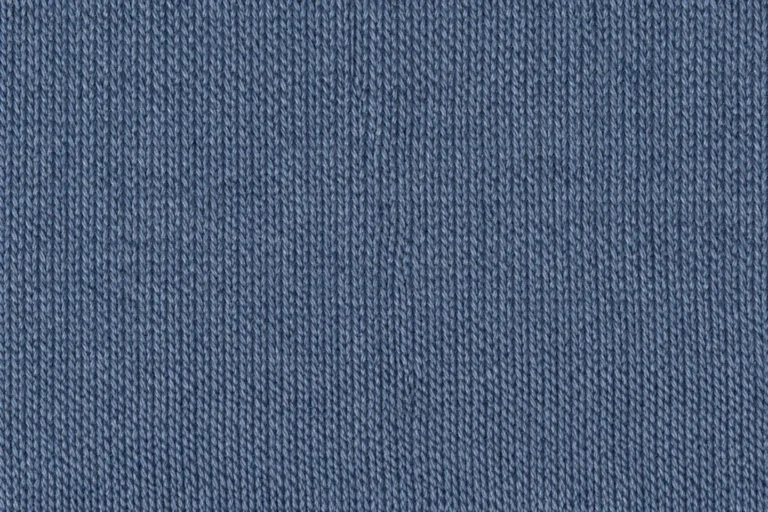
Stretch Velvet (Knit Velour)
A stretchy knit with a short, dense, soft pile on the face, also called knit velvet or velour. Its polyester-rich face takes sublimation in full colour,…
Knit velvet (velour)Midweight
- Warmth
- High
- Breathability
- Moderate
- Stretch
- Very high
Polyester & Recycled Polyester
Recycled Polyester Knit (RPET)
Polyester knitted from recycled feedstock, usually post-consumer PET bottles. It generally performs much like virgin polyester: quick-drying, durable and ready for sublimation. The recycled share, and…
Single jerseyInterlockLight to heavy (varies)
- Warmth
- Moderate
- Breathability
- High
- Stretch
- Moderate
Polyester & Recycled Polyester
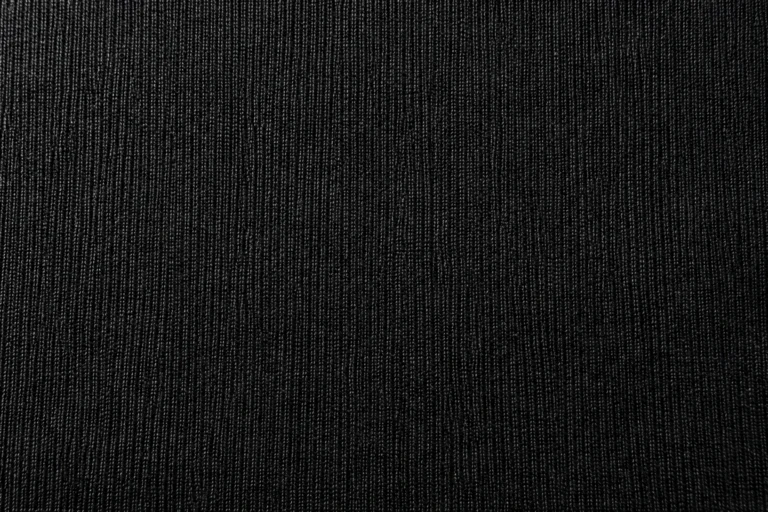
Polyester Tricot (Warp Knit)
A warp-knitted polyester with a smooth, fine face and a slight sheen. It resists laddering, takes sublimation well and is used for smooth liners, light face…
Tricot (warp knit)Lightweight
- Warmth
- Low
- Breathability
- High
- Stretch
- Moderate
Polyester & Recycled Polyester
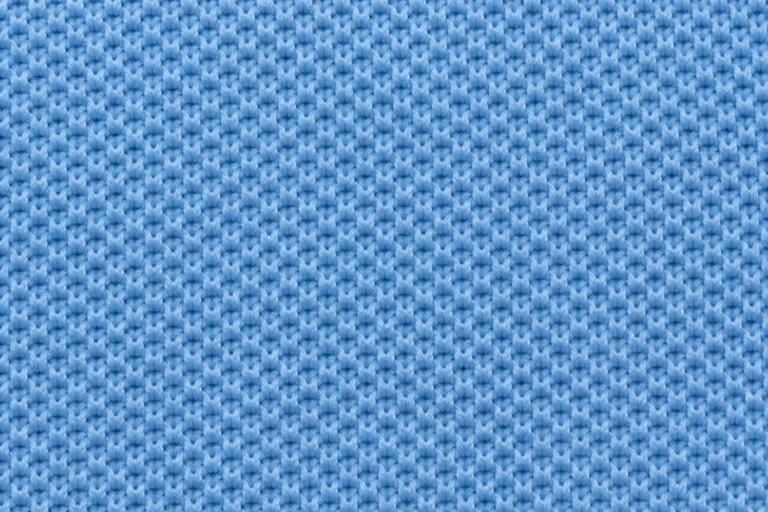
Polyester Piqué
A textured knit with a fine raised pattern, best known from polo shirts. The texture breathes well, hides wear and holds embroidery and sublimation, so it…
PiquéMidweight
- Warmth
- Low
- Breathability
- High
- Stretch
- Moderate
Polyester & Recycled Polyester
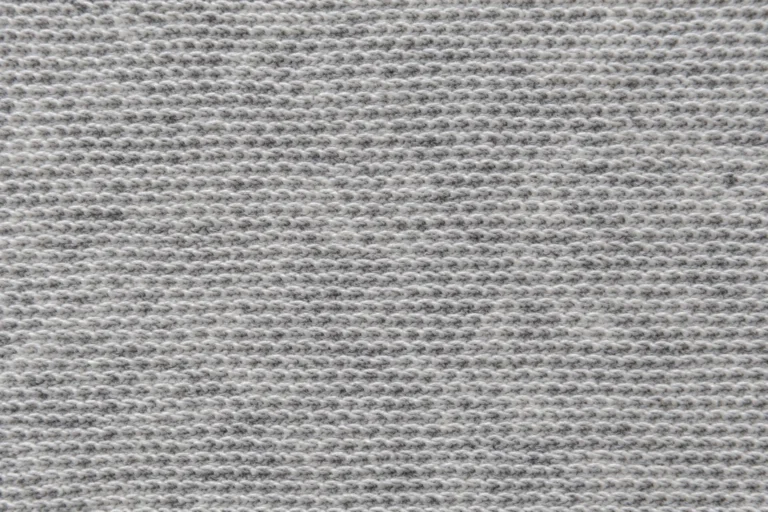
Polyester French Terry
A knit with a smooth face and small loops on the back, like a light sweatshirt fabric. The loops add comfort and absorb moisture while the…
French terryMidweight
- Warmth
- Moderate
- Breathability
- High
- Stretch
- Moderate
Polyester & Recycled Polyester
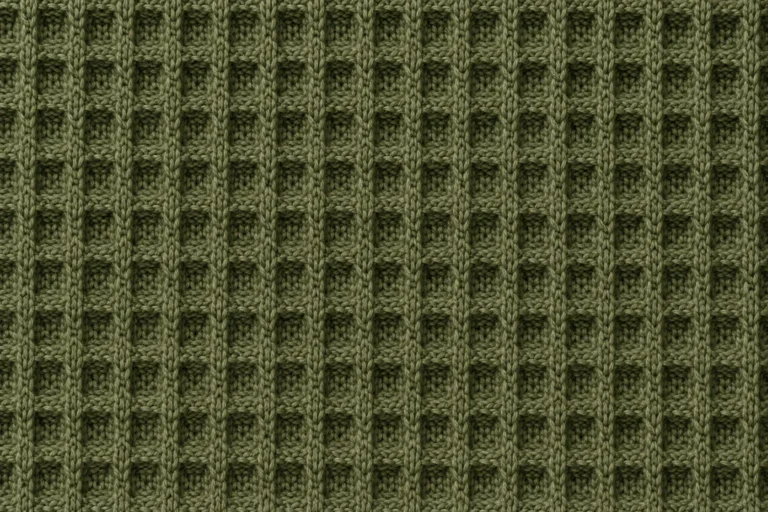
Waffle & Honeycomb Knit
A knit with a raised square (waffle) or hexagon (honeycomb) pattern. The small pockets hold a little warm air while staying breathable, so it is used…
Waffle or honeycomb knitMidweight
- Warmth
- Moderate
- Breathability
- High
- Stretch
- Moderate

Performance Fabrics
Polyester Jersey
A light single-knit polyester with a smooth face. It dries fast, takes sublimation in full colour and is usually finished to wick sweat, so it is…
Single jerseyLightweight
- Warmth
- Low
- Breathability
- Very high
- Stretch
- Moderate
Performance Fabrics
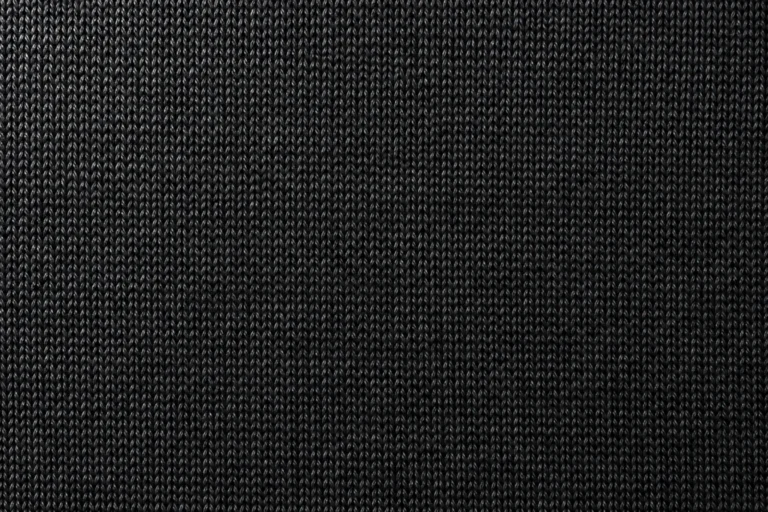
Polyester/Spandex Stretch Jersey (SHY Series)
Our SHY series stretch jersey: 88% polyester and 12% spandex, knitted for four-way stretch and recovery. Close-fitting, smooth, quick-drying and sublimation-friendly, it is the fabric used…
Single jerseyMidweight
- Warmth
- Moderate
- Breathability
- High
- Stretch
- Very high

Performance Fabrics
Polyester Mesh
An open knit with clearly visible holes that lets air straight through. It is used for vents and breathable panels in balaclavas, the back panels of…
MeshLightweight
- Warmth
- Low
- Breathability
- Very high
- Stretch
- Moderate
Performance Fabrics
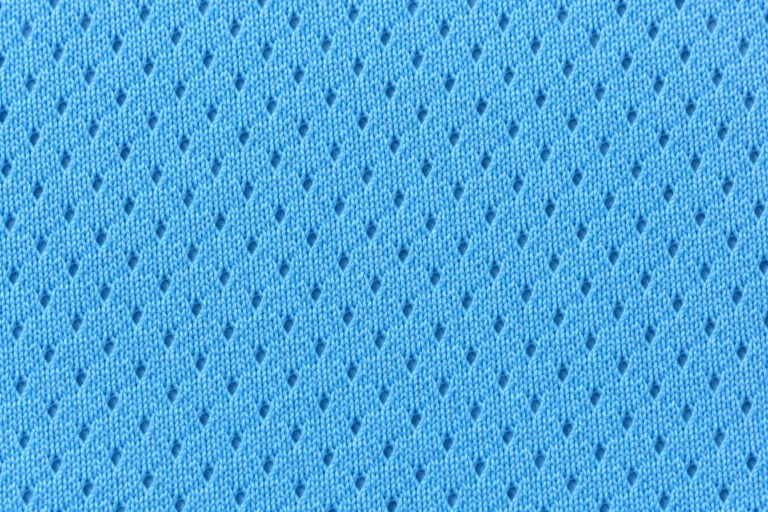
Bird’s-Eye Mesh
A polyester knit with a pattern of tiny holes, named after its bird’s-eye look. It lets air through and dries fast, so it is used for…
Bird’s-eye meshLightweight
- Warmth
- Low
- Breathability
- Very high
- Stretch
- Moderate

Performance Fabrics
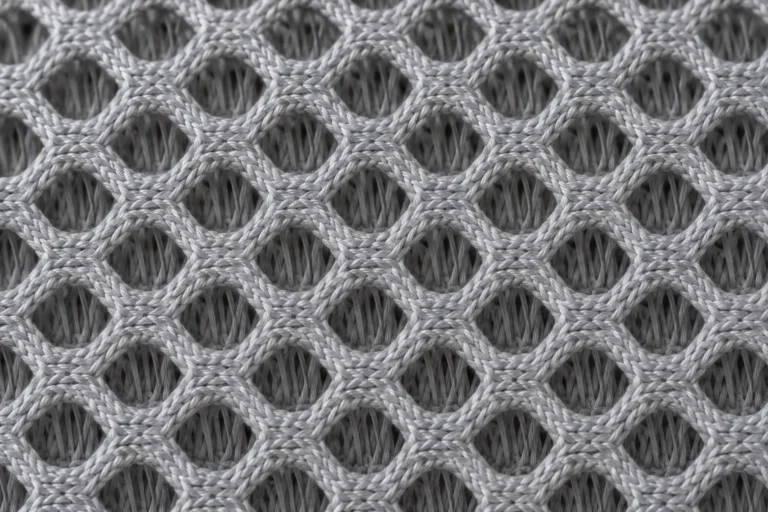
Power Mesh
A fine, sheer stretch mesh with strong recovery. It is used as breathable stretch panels and liners: ventilation zones in sports balaclavas and base layers, and…
Power meshLightweight
- Warmth
- Low
- Breathability
- Very high
- Stretch
- Very high
Performance Fabrics
3D Spacer Mesh
Two knitted faces held apart by upright yarns, giving a thick, springy mesh that air flows through. It is used for the ventilated mouth and nose…
3D spacer meshMidweight
- Warmth
- Moderate
- Breathability
- Very high
- Stretch
- Low
Performance Fabrics
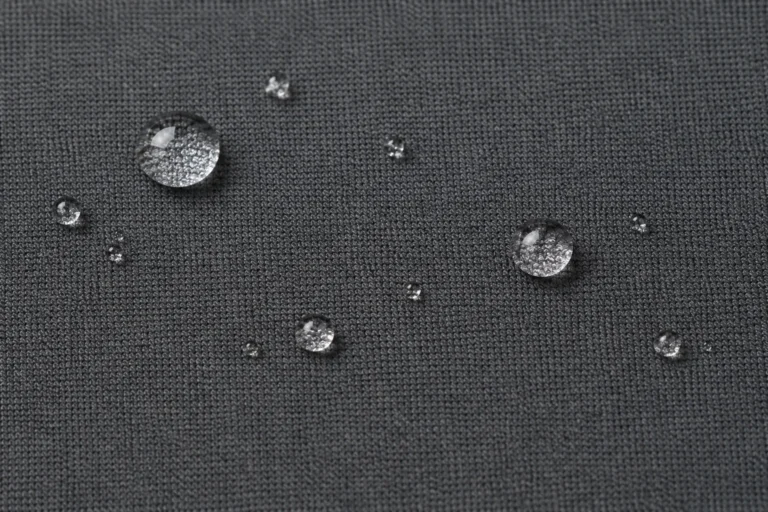
Softshell (Bonded Performance Fabric)
A stretch outer fabric bonded to a soft fleece or knit backing, usually with a water-repellent finish. It helps keep out wind and light rain while…
SoftshellHeavyweight
- Warmth
- High
- Breathability
- Moderate
- Stretch
- High
Bamboo Viscose Jersey
A very soft, breathable jersey made from bamboo-derived viscose. It is usually lighter than cotton jersey and suits socks, linings and lightweight beanies. In many markets…
Single jerseyLightweight
- Warmth
- Low
- Breathability
- Very high
- Stretch
- Moderate
Shell & Waterproof Fabrics
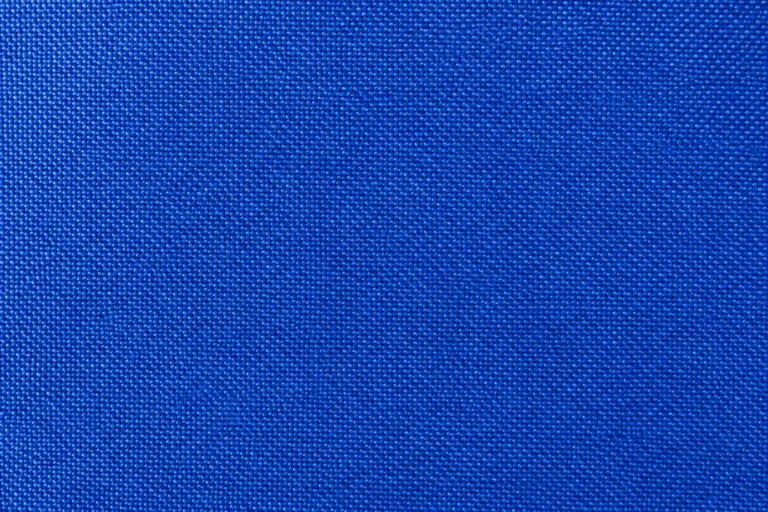
Polyester Pongee Shell
A smooth, tightly woven polyester plain weave and one of the most common outer fabrics for ski jackets, pants and kids' ski wear. It takes a…
WovenPlain weave (pongee, taffeta)Lightweight
- Warmth
- Low
- Breathability
- Moderate
- Stretch
- Low

Shell & Waterproof Fabrics
Recycled Polyester Shell (rPET)
A woven shell fabric made from recycled polyester, usually from plastic bottles, in a pongee, twill or ripstop weave. It is coated or laminated like any…
WovenLightweight
- Warmth
- Low
- Breathability
- Moderate
- Stretch
- Low

Shell & Waterproof Fabrics
Nylon Taslan Shell
A nylon woven from air-textured yarn, which gives it a matt, slightly cotton-like face and good abrasion resistance. Used for ski pants, snowboard wear and hard-wearing…
WovenTaslanMidweight
- Warmth
- Low
- Breathability
- Moderate
- Stretch
- Low

Shell & Waterproof Fabrics
Ripstop Shell Fabric
A woven fabric with thicker yarns set into a small grid, so a small tear usually stops at the next line instead of running. Light and…
WovenRipstopLightweight
- Warmth
- Low
- Breathability
- Moderate
- Stretch
- Low
Shell & Waterproof Fabrics
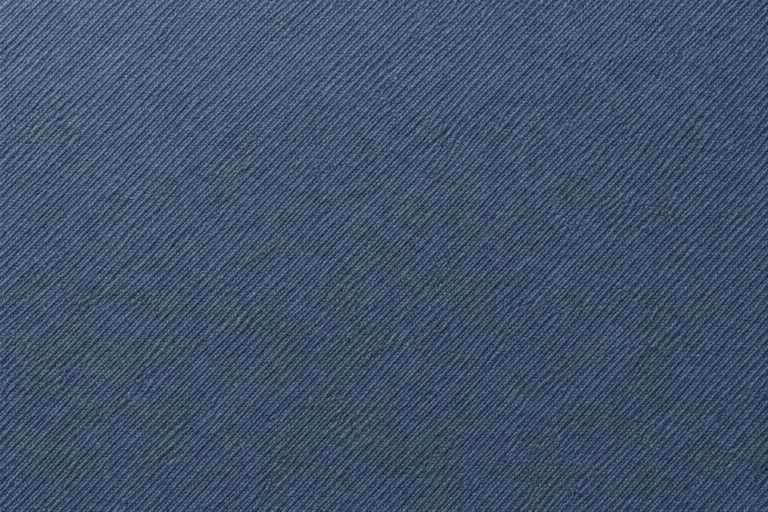
Stretch Woven Shell
A woven outer fabric with elastane or mechanical-stretch yarns, so fitted ski pants and jackets move with the body. It is often laminated to a membrane…
WovenStretch wovenMidweight
- Warmth
- Low
- Breathability
- Moderate
- Stretch
- High
Shell & Waterproof Fabrics
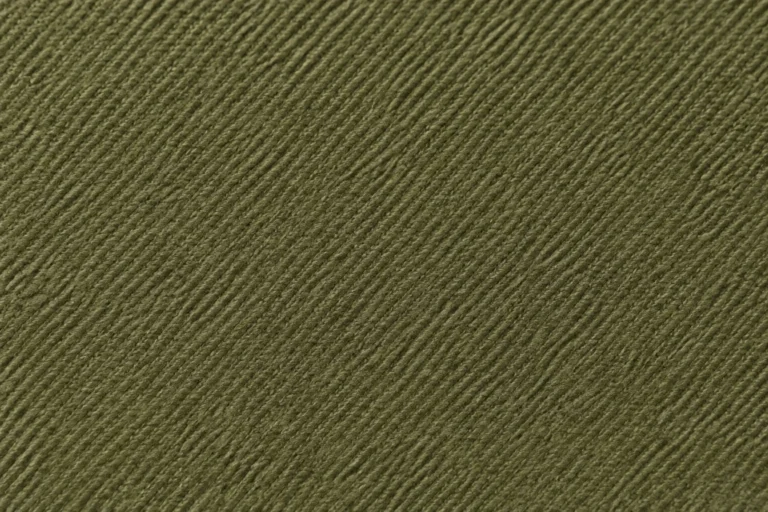
Peached Polyester Twill (Peach Skin)
A fine polyester twill whose face is lightly sanded (peached) for a soft, matt, almost cotton-like feel. Coated or laminated for waterproofing, it gives snowboard jackets…
WovenTwillMidweight
- Warmth
- Low
- Breathability
- Moderate
- Stretch
- Low
Shell & Waterproof Fabrics
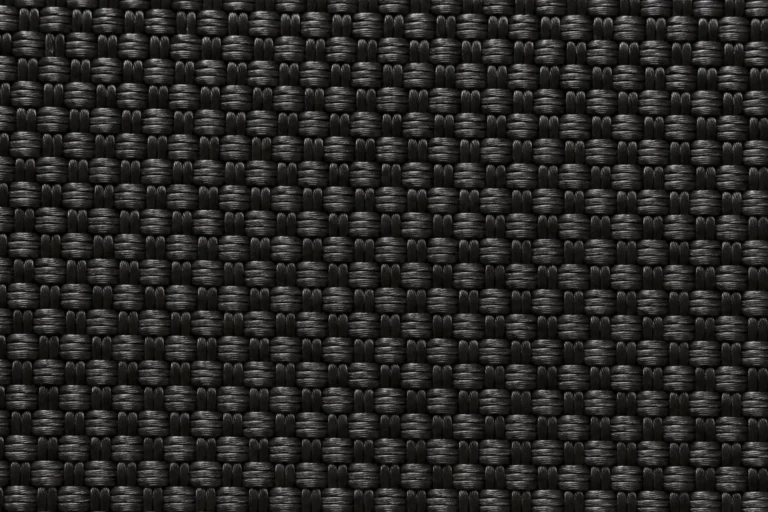
Nylon Oxford (Reinforcement Panels)
A heavy basket-weave nylon used where ski wear takes the most wear: kick patches inside the pant legs, seat and knee panels, cuffs and shoulder reinforcements.
WovenOxfordHeavyweight
- Warmth
- Low
- Breathability
- Low
- Stretch
- Low

Shell & Waterproof Fabrics
PU-Coated Waterproof Shell
A woven shell with a polyurethane coating on the back that makes it water-resistant or waterproof, depending on the coating. It is a lower-cost route to…
WovenMidweight
- Warmth
- Low
- Breathability
- Moderate
- Stretch
- Low

Shell & Waterproof Fabrics
2-Layer Laminated Shell
An outer fabric bonded to a waterproof-breathable membrane, with a separate hanging lining of mesh, taffeta or fleece that protects the membrane. The classic build for…
Bonded / laminated2-layer laminateMidweight
- Warmth
- Low
- Breathability
- High
- Stretch
- Low

Shell & Waterproof Fabrics
2.5-Layer Laminated Shell
An outer fabric bonded to a waterproof-breathable membrane, with a thin printed protective layer on the inside instead of a separate lining. Lighter and more packable…
Bonded / laminated2.5-layer laminateLightweight
- Warmth
- Low
- Breathability
- High
- Stretch
- Low
Shell & Waterproof Fabrics
3-Layer Laminated Shell
Face fabric, waterproof-breathable membrane and a thin tricot backer bonded into one fabric. Usually lighter, tougher and more breathable than a lined shell, it is a…
Bonded / laminated3-layer laminateMidweight
- Warmth
- Low
- Breathability
- Very high
- Stretch
- Low

Shell & Waterproof Fabrics
Seam Sealing Tape (Taped Seams)
A narrow waterproof tape heat-bonded over the stitched seams of a coated or laminated garment, to help stop water getting in through the needle holes. Fully…
Lightweight
Insulation & Linings
Polyester Wadding (Padding)
Sheets of polyester fibre quilted or stitched into ski jackets, pants and suits for warmth. It keeps much of its warmth when damp, dries quickly and…
InsulationPolyester waddingLight to heavy (varies)
- Warmth
- High
- Breathability
- Moderate
- Stretch
- Low
Sock Yarns & Constructions
Combed Cotton Sock Yarn (Cotton/Nylon/Elastane)
The everyday sock yarn: combed cotton for a smooth, soft feel, plated with nylon for strength at the heel and toe and elastane for stretch. Cotton…
Single jerseyRib knitLightweight
- Warmth
- Moderate
- Breathability
- Very high
- Stretch
- High

Insulation & Linings
Polyester Fibre Fill (Down Alternative)
Loose polyester fibre clusters blown into stitched chambers. It gives the puffed look and loft of down while keeping much of its warmth when wet, washing…
InsulationPolyester fibre fillLight to heavy (varies)
- Warmth
- Very high
- Breathability
- Moderate
- Stretch
- Low
Sock Yarns & Constructions
Mercerized Cotton Sock Yarn
Cotton yarn treated to add a soft sheen, strength and deeper colour. Knitted in fine gauge for dress socks and fashion socks that should look smooth…
Single jerseyRib knitLightweight
- Warmth
- Low
- Breathability
- Very high
- Stretch
- High

Sock Yarns & Constructions
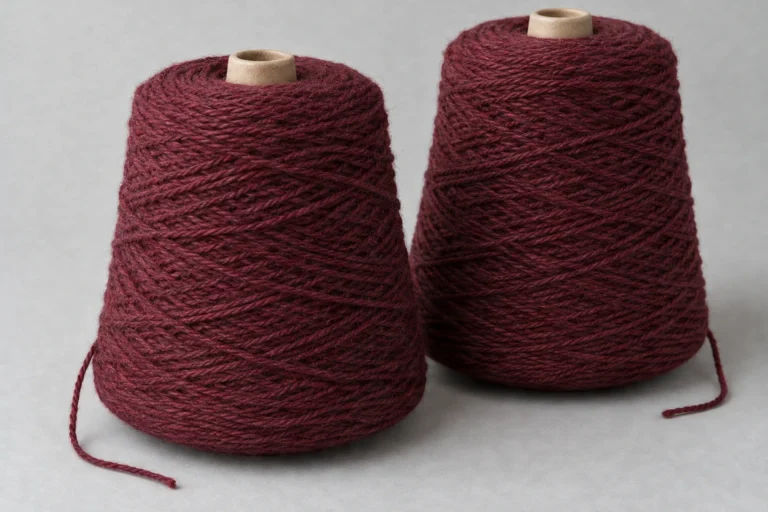
Merino/Nylon Sock Yarn
Fine merino wool blended with nylon for strength and elastane for stretch. Warm and soft, and wool tends to resist odour, so it is a popular…
Rib knitTerry loopMidweight
- Warmth
- Very high
- Breathability
- High
- Stretch
- High
Sock Yarns & Constructions
Wool/Acrylic Sock Yarn
Wool blended with acrylic: warm, bulky and colourful at a lower price than pure merino. A good choice for patterned winter socks, gift socks and workwear…
Rib knitTerry loopMidweight
- Warmth
- High
- Breathability
- Moderate
- Stretch
- High

Sock Yarns & Constructions
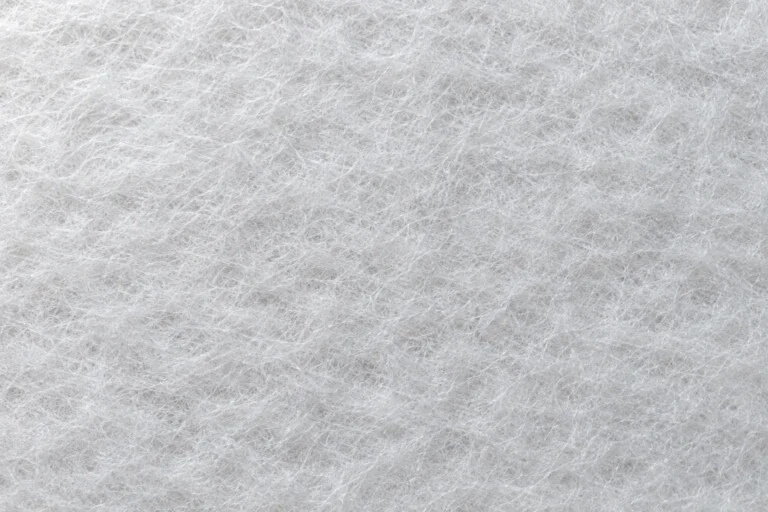
Bamboo Viscose Sock Yarn
A silky, breathable yarn made from bamboo-derived viscose, blended with cotton, nylon and elastane. Soft against the skin and popular for comfort socks. It is a…
Single jerseyRib knitLightweight
- Warmth
- Moderate
- Breathability
- Very high
- Stretch
- High
Insulation & Linings
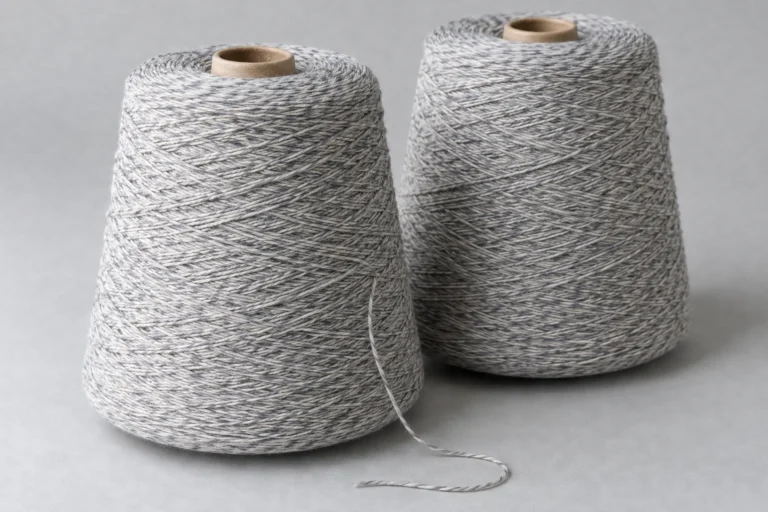
Microfibre Thermal Insulation
A thin insulation made of very fine polyester fibres, which usually hold more warm air for their thickness than standard wadding. It helps keep ski pants,…
InsulationMicrofibre insulationLight to heavy (varies)
- Warmth
- High
- Breathability
- Moderate
- Stretch
- Low
Sock Yarns & Constructions
Recycled Polyester Sock Yarn (RPET)
Polyester spun from recycled plastic bottles, used in place of some new polyester in sport and everyday socks. It generally performs much like standard polyester: quick-drying,…
Single jerseyRib knitLightweight
- Warmth
- Moderate
- Breathability
- High
- Stretch
- High

Sock Yarns & Constructions
Polyester/Nylon Performance Sock Yarn
Polyester and nylon with elastane, chosen for sport socks: it helps move sweat away from the skin, dries quickly, keeps its shape and takes bright colours.…
Rib knitMeshTerry loop
- Warmth
- Moderate
- Breathability
- High
- Stretch
- Very high
Sock Yarns & Constructions
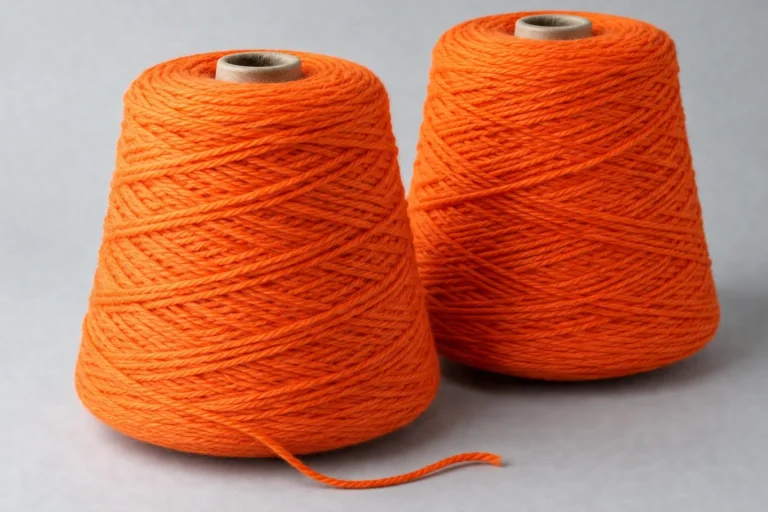
Acrylic Sock Yarn
A soft, bulky synthetic yarn with a wide colour range and easy care. Used for bright pattern socks, plush socks and colour-heavy team socks where colour…
Single jerseyRib knitMidweight
- Warmth
- High
- Breathability
- Moderate
- Stretch
- High

Sock Yarns & Constructions
Elastic Covering Yarn (Nylon/Spandex)
Spandex (elastane) core wrapped in nylon or polyester. It is knitted in with the face yarn to give a sock its stretch, its grip on the…
Rib knitLightweight
- Warmth
- Low
- Breathability
- Moderate
- Stretch
- Very high
Insulation & Linings
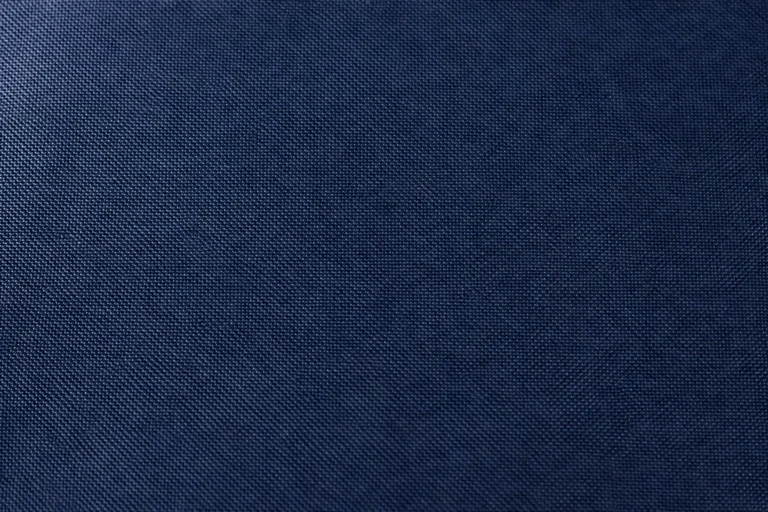
Polyester Taffeta Lining
A smooth, light polyester plain weave used to line ski jackets and pants. Its slippery face lets a jacket slide over mid-layers, and in padded styles…
WovenPlain weave (pongee, taffeta)Lightweight
- Warmth
- Low
- Breathability
- Moderate
- Stretch
- Low
Sock Yarns & Constructions
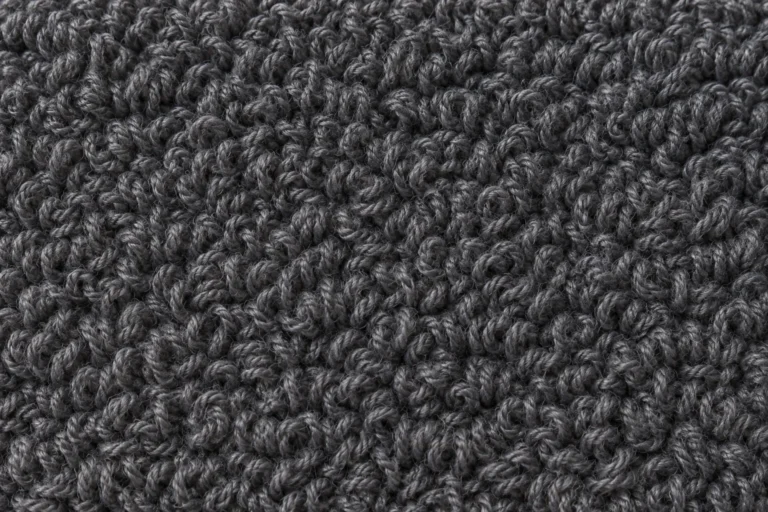
Terry-Loop Sock Knit
A knit with thousands of small loops on the inside of the sock. The loops cushion the foot, absorb impact and hold warm air, so terry…
Terry loopMidweight
- Warmth
- High
- Breathability
- Moderate
- Stretch
- Moderate

Sock Yarns & Constructions
Rib Sock Knit (1×1, 2×2)
A knit of alternating raised and lowered columns that stretches sideways and springs back. Used at the cuff, the arch and often the whole leg, it…
Rib knitLightweight
- Warmth
- Moderate
- Breathability
- High
- Stretch
- Very high
Sock Yarns & Constructions
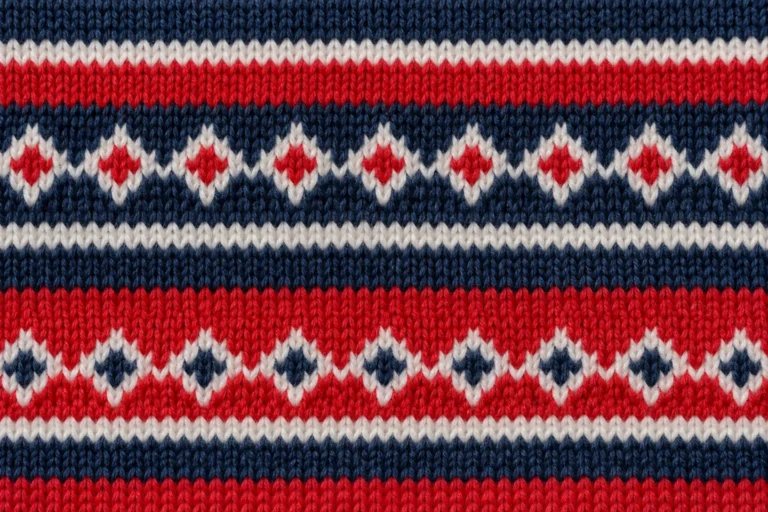
Jacquard Sock Knit
A knit where needles are selected one by one to build a design of two or more colours into the fabric. Stripes, dots, logos and full…
Jacquard knitLightweight
- Warmth
- Moderate
- Breathability
- High
- Stretch
- High

Sock Yarns & Constructions
Mesh Vent Sock Panel
An open, breathable zone knitted into the top of the foot or the sides of a sock. It helps let heat and moisture out where the…
MeshLightweight
- Warmth
- Low
- Breathability
- Very high
- Stretch
- High

Sock Yarns & Constructions
Brushed Interior Sock Knit
A sock knit whose inside is brushed to raise a soft pile. It traps warm air much like terry but feels smoother and lighter, so it…
Single jerseyMidweight
- Warmth
- High
- Breathability
- Moderate
- Stretch
- High

Sock Yarns & Constructions
Silicone Grip Sole Print
Dots, lines or a logo of silicone printed on the sole of a sock and heat-set so it bonds to the yarn. It helps stop the…
Lightweight
Sock Yarns & Constructions
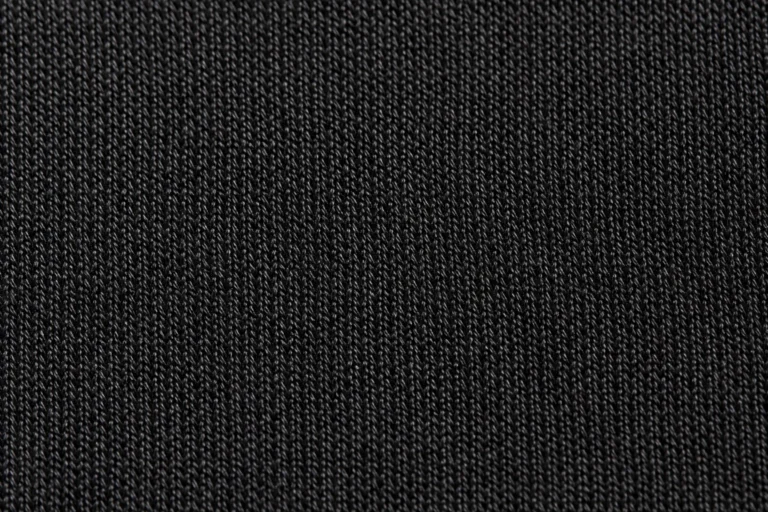
Graduated Compression Sock Knit
A knit with zoned tension: firmest at the ankle and easing towards the top of the leg, built with a high share of elastic yarn. Used…
Rib knitMidweight
- Warmth
- Moderate
- Breathability
- High
- Stretch
- Very high
Insulation & Linings
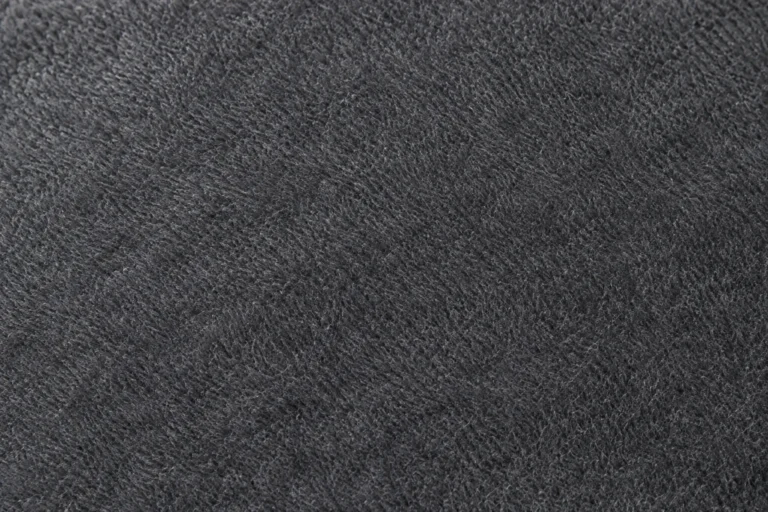
Brushed Tricot Lining
A fine warp-knitted polyester with a brushed, soft face. It lines collars, chin guards, pockets and bodies of ski jackets and pants, and forms the inner…
Tricot (warp knit)Lightweight
- Warmth
- Moderate
- Breathability
- High
- Stretch
- Moderate
Insulation & Linings
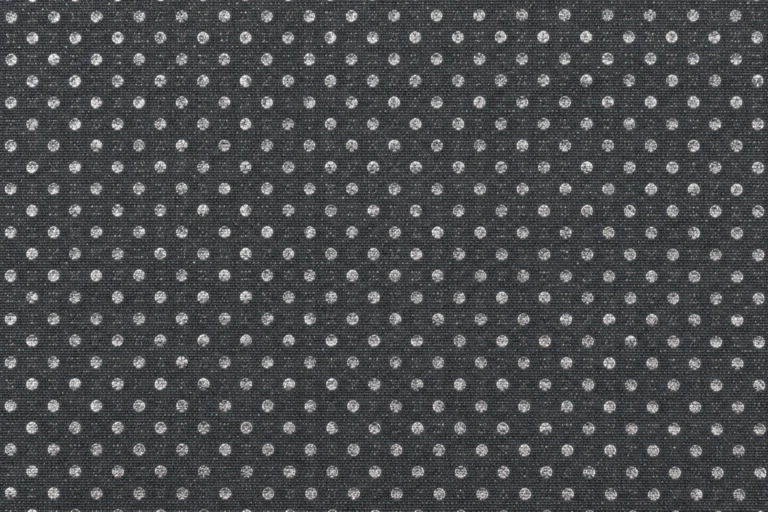
Heat-Reflective Lining
A lining printed with fine metallic dots that reflect some body heat back inside, while the gaps between them let moisture out. It can add warmth…
WovenTricot (warp knit)Lightweight
- Warmth
- High
- Breathability
- Moderate
- Stretch
- Low

Knitting Yarns
Acrylic Yarn
A synthetic yarn that looks and feels like wool: soft, light, warm and can be dyed in almost any colour. It keeps its shape, washes easily…
Knitted from yarnLight to heavy (varies)
- Warmth
- High
- Breathability
- Moderate
- Stretch
- Moderate
Cap & Hat Materials
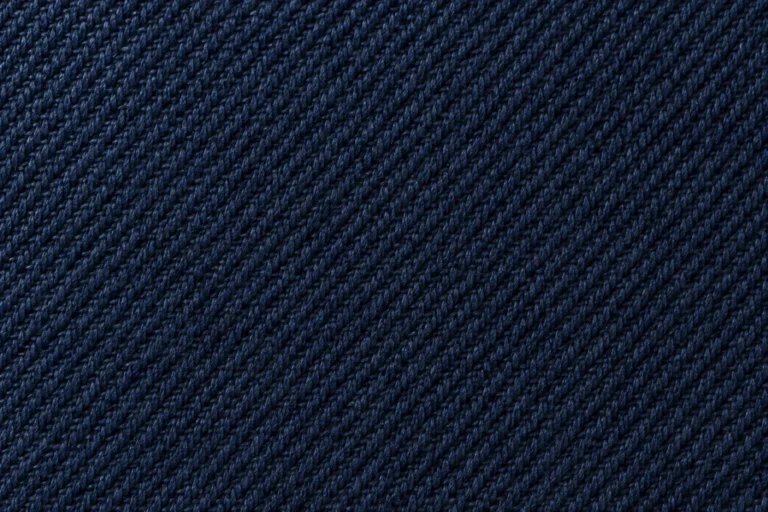
Cotton Twill (Cap Fabric)
The standard cap fabric: a cotton woven in a diagonal twill that is firm, smooth and takes embroidery cleanly. Used for baseball, dad, six-panel, snapback and…
WovenTwillMidweight
- Warmth
- Low
- Breathability
- High
- Stretch
- Low
Cap & Hat Materials
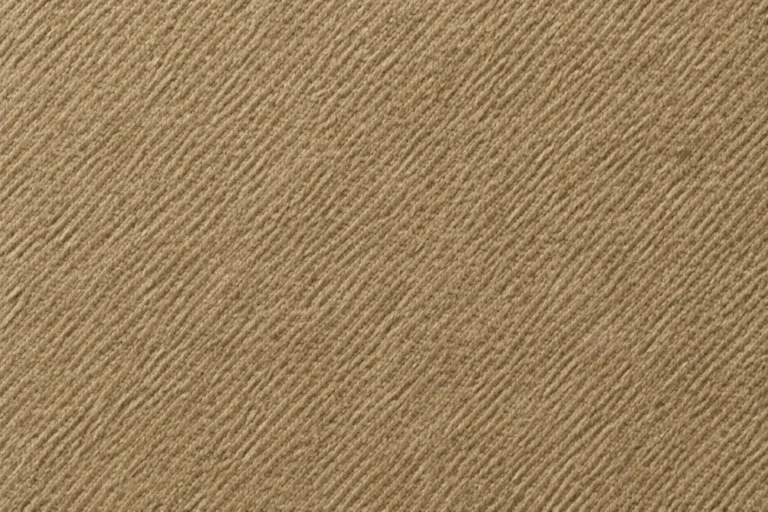
Brushed Cotton Twill
Cotton twill with a lightly brushed surface that feels soft and slightly peach-like. It gives dad caps and relaxed six-panel caps a worn-in, comfortable feel from…
WovenTwillMidweight
- Warmth
- Moderate
- Breathability
- High
- Stretch
- Low
Knitting Yarns
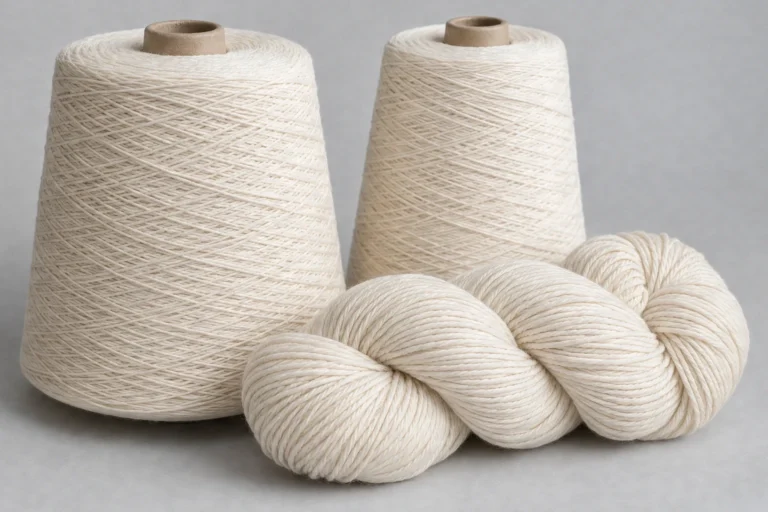
Cotton Yarn
A soft, breathable natural yarn that is usually not itchy. It is cooler and less elastic than wool or acrylic, so it suits spring and autumn…
Knitted from yarnLight to heavy (varies)
- Warmth
- Moderate
- Breathability
- Very high
- Stretch
- Low

Cap & Hat Materials
Cotton Canvas
A heavy, tightly woven plain-weave cotton that is stiff, hard-wearing and takes on a natural texture with use. Used for bucket hats, five-panel caps, military-style caps…
WovenCanvasHeavyweight
- Warmth
- Low
- Breathability
- Moderate
- Stretch
- Low
Knitting Yarns
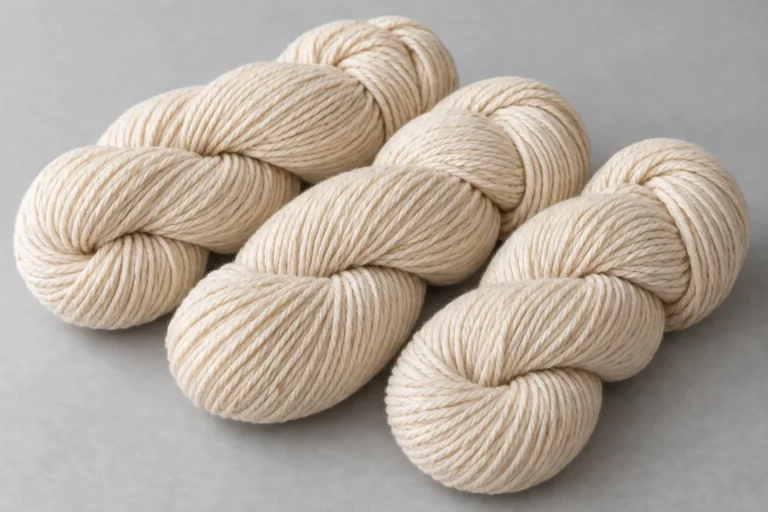
Organic Cotton Yarn
Cotton yarn spun from cotton grown under organic farming rules, without synthetic pesticides or fertilisers. It knits and feels like regular cotton; an organic claim on…
Knitted from yarnLight to heavy (varies)
- Warmth
- Moderate
- Breathability
- Very high
- Stretch
- Low
Cap & Hat Materials
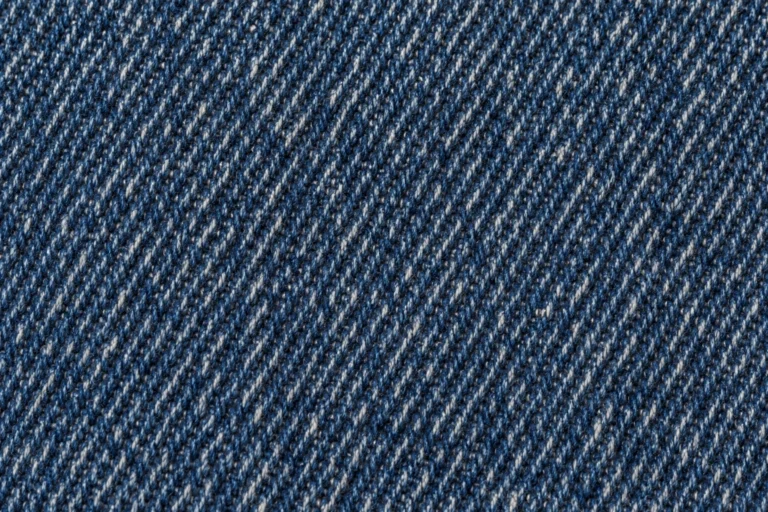
Denim (Cap Fabric)
A cotton twill dyed with indigo or other colours, in washed or raw finishes. It gives caps, bucket hats and gambler hats a casual, hard-wearing look…
WovenDenimMidweight
- Warmth
- Low
- Breathability
- Moderate
- Stretch
- Low

Knitting Yarns
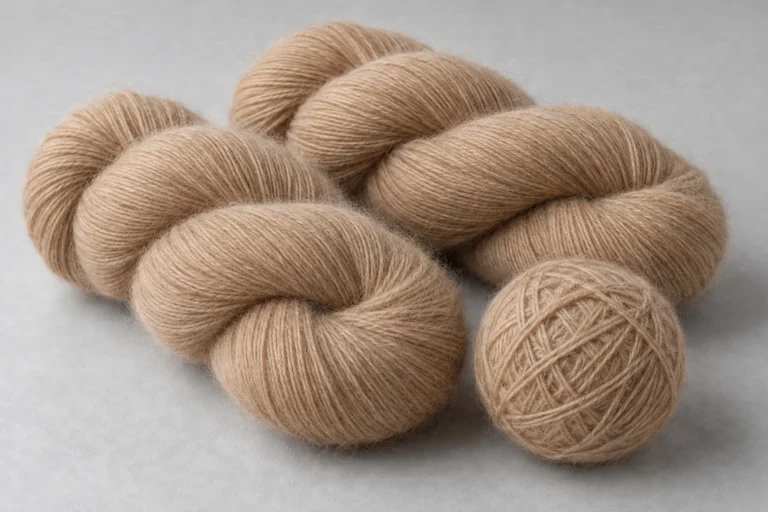
Lambswool Yarn
Wool from the first shearing of young sheep, finer and softer than standard wool. It is warm, breathable and naturally elastic, and it handles moisture well,…
Knitted from yarnLight to heavy (varies)
- Warmth
- Very high
- Breathability
- High
- Stretch
- High
Knitting Yarns
Cashmere Yarn
A luxury yarn from the fine undercoat of cashmere goats: very soft, light and warm for its weight. It is delicate and pills more than wool,…
Knitted from yarnLight to heavy (varies)
- Warmth
- Very high
- Breathability
- High
- Stretch
- Moderate

Cap & Hat Materials
Corduroy (Cap Fabric)
A cotton fabric with cut-pile ridges that give a soft, warm, textured surface. Popular for autumn and winter dad caps, five-panel caps, flat caps and bucket…
WovenCorduroy (cut pile)Midweight
- Warmth
- Moderate
- Breathability
- Moderate
- Stretch
- Low
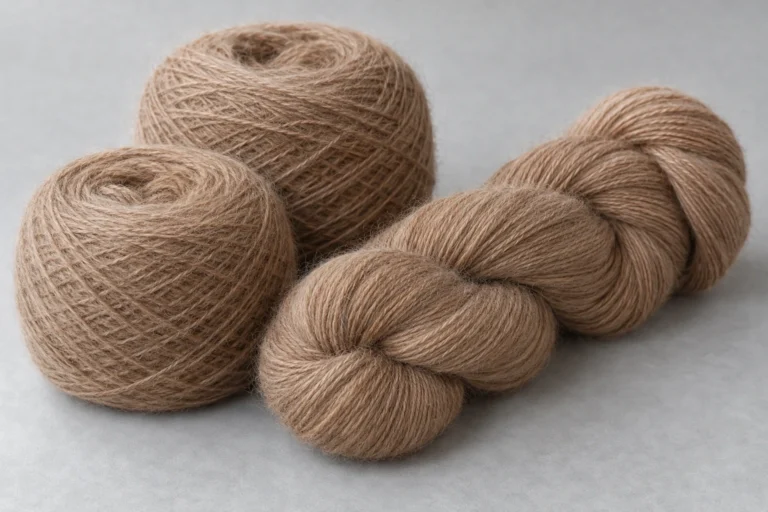
Knitting Yarns
Alpaca Yarn
Yarn from alpaca fleece: soft, smooth and very warm for its weight, with a slight halo. It contains virtually no lanolin and comes in many natural…
Knitted from yarnLight to heavy (varies)
- Warmth
- Very high
- Breathability
- High
- Stretch
- Low
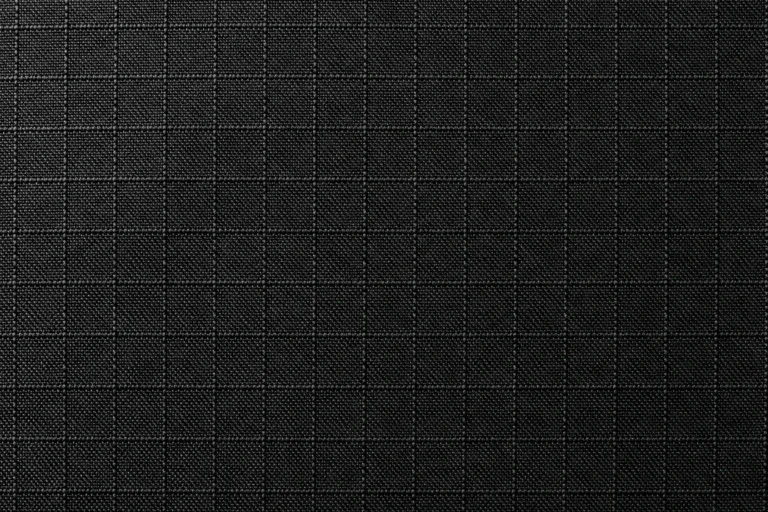
Cap & Hat Materials
Nylon & Ripstop (Cap Fabric)
A light, smooth woven nylon, often with a ripstop grid, that dries quickly and packs small. Used for five-panel caps, bucket hats, running caps and the…
WovenRipstopLightweight
- Warmth
- Low
- Breathability
- Moderate
- Stretch
- Low
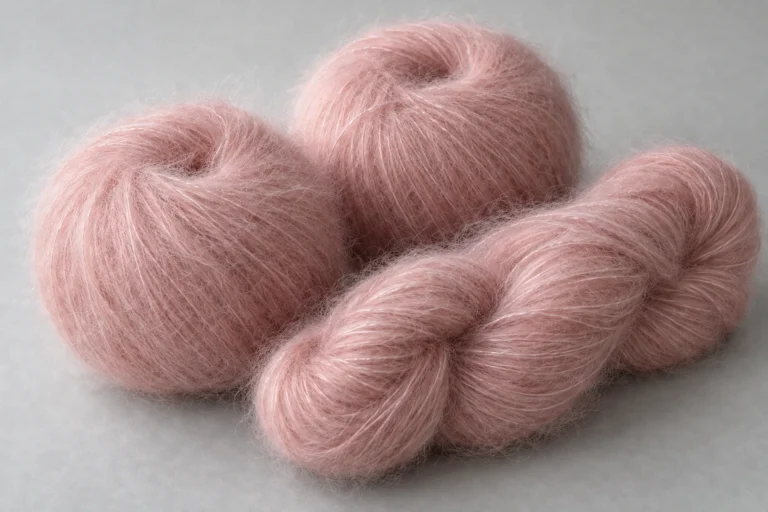
Knitting Yarns
Mohair Yarn
Yarn from the Angora goat, known for its lustre and fluffy halo. It is light and warm and gives beanies and scarves a soft, brushed look;…
Knitted from yarnLight to heavy (varies)
- Warmth
- High
- Breathability
- High
- Stretch
- Moderate
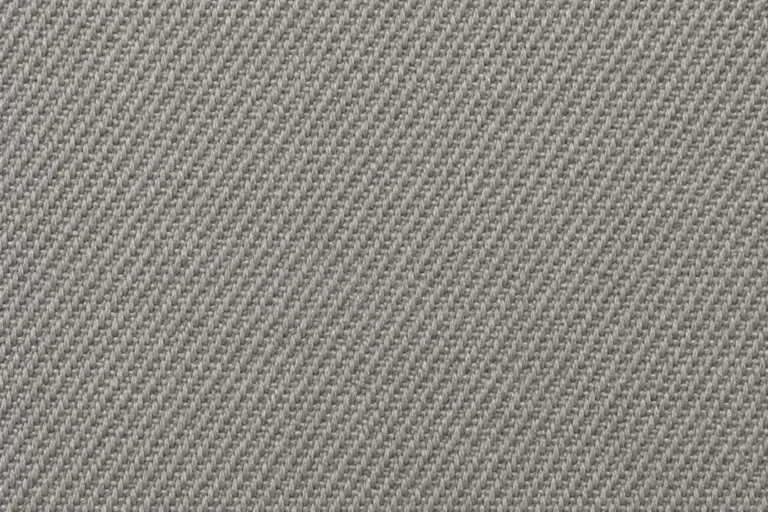
Cap & Hat Materials
Recycled Polyester Cap Twill
A polyester twill made from recycled plastic bottles. It generally behaves like standard polyester: quick-drying, colour-fast and well suited to sublimation. The recycled share and any…
WovenTwillMidweight
- Warmth
- Low
- Breathability
- High
- Stretch
- Low
Cap & Hat Materials
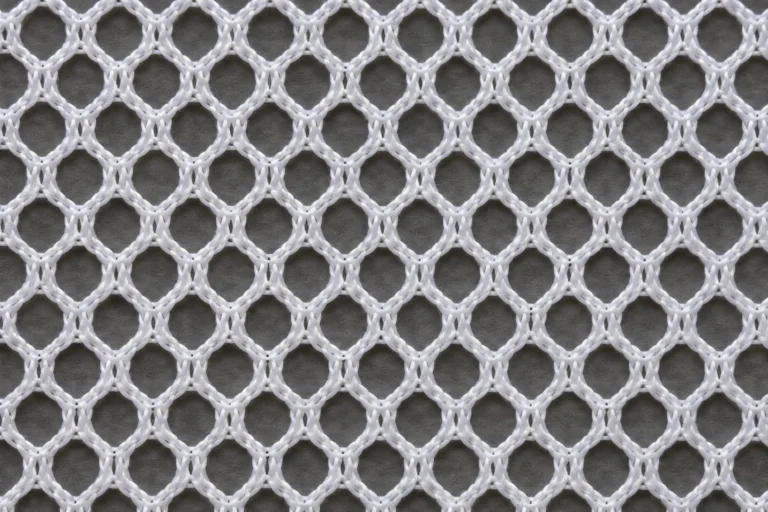
Polyester Cap Mesh
An open, breathable mesh used for the back panels of trucker caps and the vents of sport caps. It comes in fine or open weaves and…
MeshLightweight
- Breathability
- Very high
- Stretch
- Moderate
Knitting Yarns
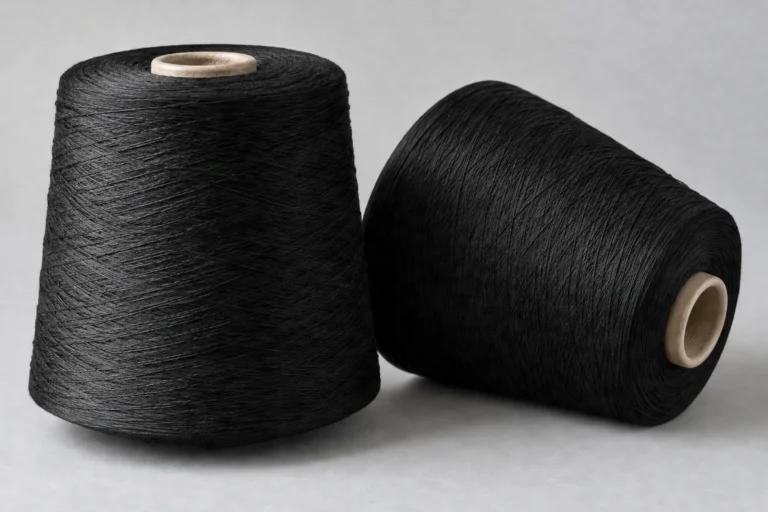
Polyester Yarn
A strong synthetic yarn that keeps its colour, dries quickly and absorbs very little moisture. In knitwear it is used for sporty beanies and as a…
Knitted from yarnLight to heavy (varies)
- Warmth
- Moderate
- Breathability
- Moderate
- Stretch
- Moderate
Knitting Yarns
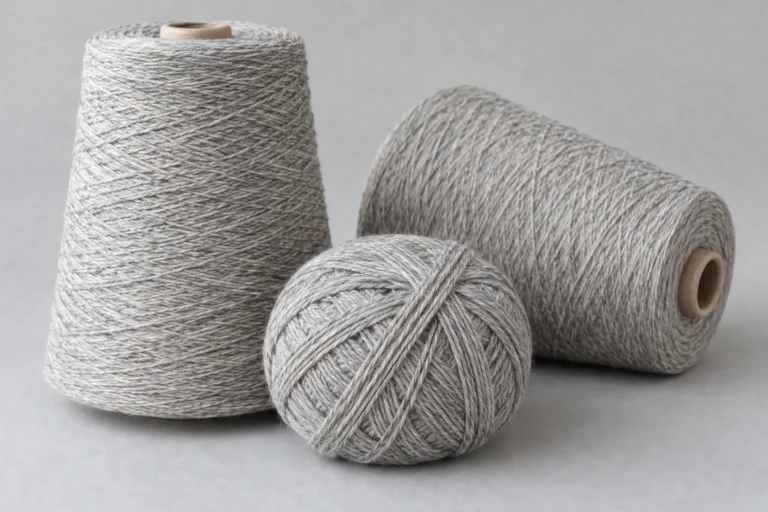
Recycled Polyester Yarn
Polyester yarn spun from recycled material, usually post-consumer PET bottles. It knits and performs much like virgin polyester; the recycled share, and any certificate, has to…
Knitted from yarnLight to heavy (varies)
- Warmth
- Moderate
- Breathability
- Moderate
- Stretch
- Moderate

Cap & Hat Materials
Wool Blend & Tweed (Cap Fabric)
Wool blended with polyester or acrylic, or woven into tweed and herringbone. Warm, textured and traditional, it is used for flat caps, snapbacks, fitted caps and…
WovenMidweight
- Warmth
- High
- Breathability
- Moderate
- Stretch
- Low
Cap & Hat Materials
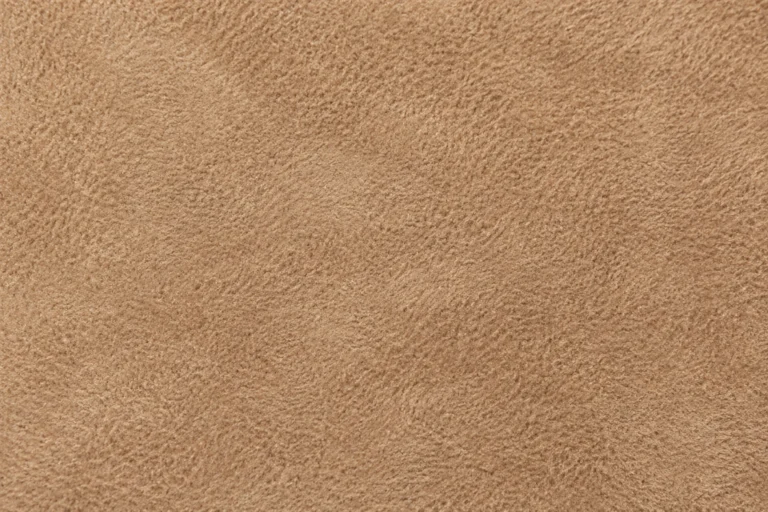
Faux Suede
A polyester microfibre with a soft, suede-look surface. It gives cowboy hats, gambler hats, berets and snapbacks a rich, matte look at a lower cost than…
WovenMidweight
- Warmth
- Low
- Breathability
- Moderate
- Stretch
- Low
Knitting Yarns
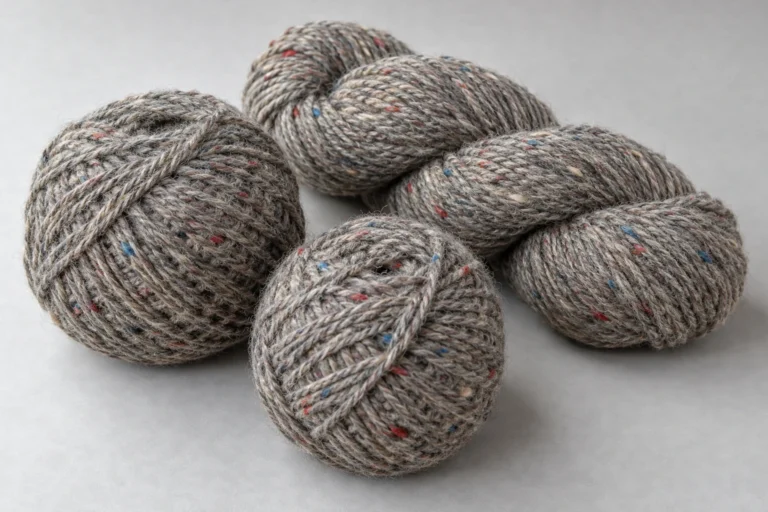
Recycled Wool Yarn
Yarn spun from wool fibre recovered from used garments and textile waste, usually with some new wool or synthetic fibre for strength. It keeps much of…
Knitted from yarnLight to heavy (varies)
- Warmth
- High
- Breathability
- High
- Stretch
- Moderate
Cap & Hat Materials
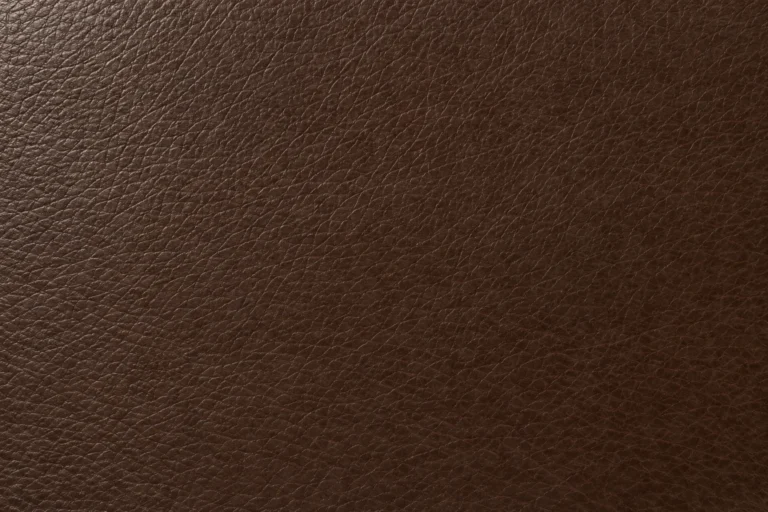
PU Leather-Look
A polyurethane-coated fabric with a leather-look grain. Used for hat bands, cap peaks, patches, flat caps, bomber hats and cowboy hats where a smooth, wipe-clean surface…
WovenMidweight
- Warmth
- Low
- Breathability
- Low
- Stretch
- Low

Knitting Yarns
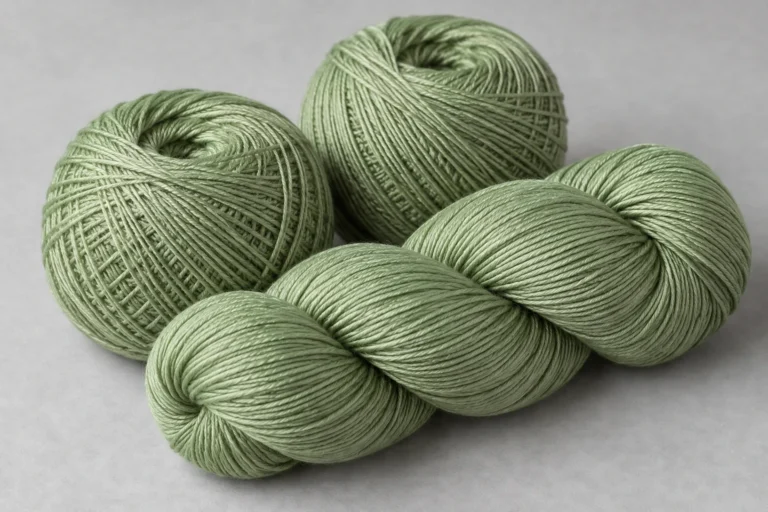
Viscose Yarn
A regenerated cellulose yarn with a smooth feel, soft drape and a slight sheen. It feels cool and breathable, which suits light knitted scarves and fashion…
Knitted from yarnLight to heavy (varies)
- Warmth
- Low
- Breathability
- Very high
- Stretch
- Low
Knitting Yarns
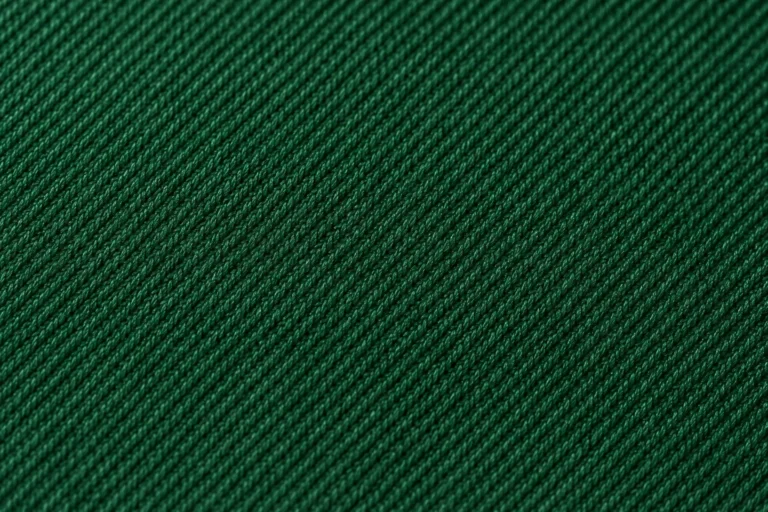
Bamboo Viscose Yarn
Viscose made from bamboo pulp: a smooth, soft, cool yarn with a gentle sheen. It behaves like other viscose yarns and is labelled as viscose from…
Knitted from yarnLight to heavy (varies)
- Warmth
- Low
- Breathability
- Very high
- Stretch
- Low
Cap & Hat Materials
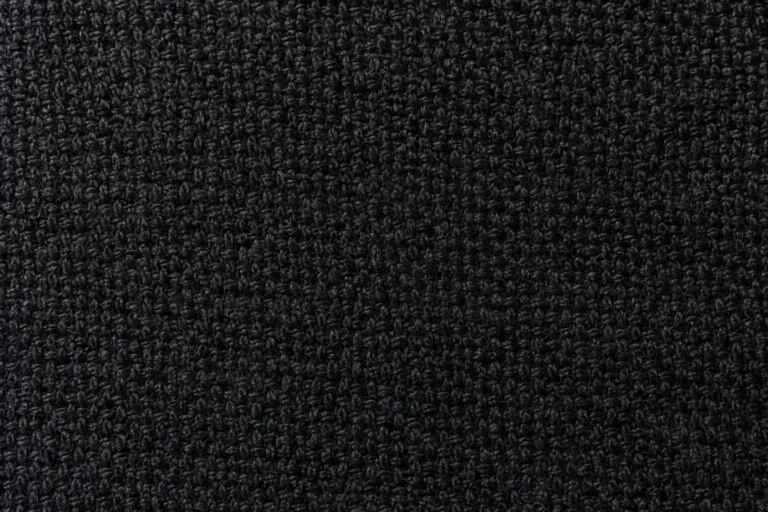
Poly-Cotton Twill (65/35)
A twill woven from a polyester-cotton blend, most often 65% polyester and 35% cotton. It keeps the clean look of cotton twill but usually holds its…
WovenTwillMidweight
- Warmth
- Low
- Breathability
- High
- Stretch
- Low
Cap & Hat Materials
Acrylic/Wool Blend (Snapback Fabric)
A firm woven blend of acrylic with some wool, the classic fabric of flat-peak snapback and fitted caps. Its smooth, slightly felted face holds a structured…
WovenMidweight
- Warmth
- Moderate
- Breathability
- Moderate
- Stretch
- Low

Knitting Yarns
Chenille Yarn
A yarn built like a tiny velvet rope: short fibres are twisted between core threads so they stand out like a pile. It is very soft…
Knitted from yarnLight to heavy (varies)
- Warmth
- High
- Breathability
- Moderate
- Stretch
- Low
Cap & Hat Materials
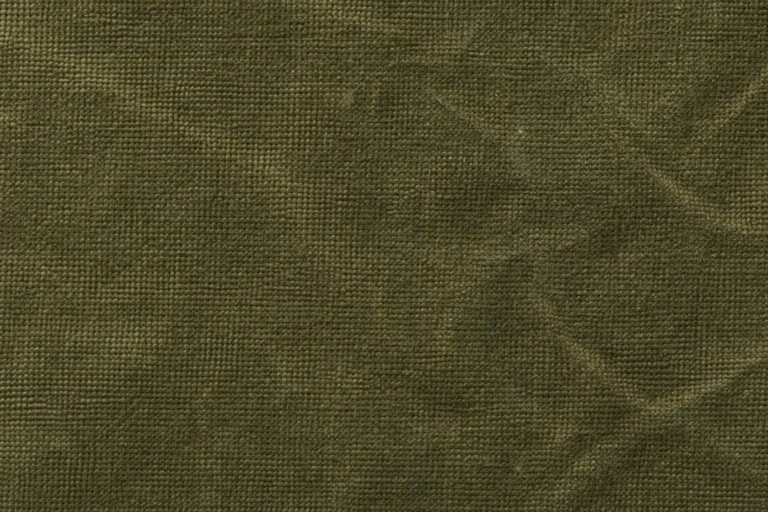
Waxed Cotton Canvas
Cotton canvas treated with wax so that it helps shed light rain and wind and slowly takes on a darker, worn patina. It gives five-panel caps,…
WovenCanvasHeavyweight
- Warmth
- Low
- Breathability
- Low
- Stretch
- Low

Knitting Yarns
Wool Blend Yarn
Wool blended with acrylic or nylon: it keeps much of wool's warmth and natural feel while adding strength, easier care and a lower price. A practical…
Knitted from yarnLight to heavy (varies)
- Warmth
- High
- Breathability
- High
- Stretch
- Moderate
Cap & Hat Materials
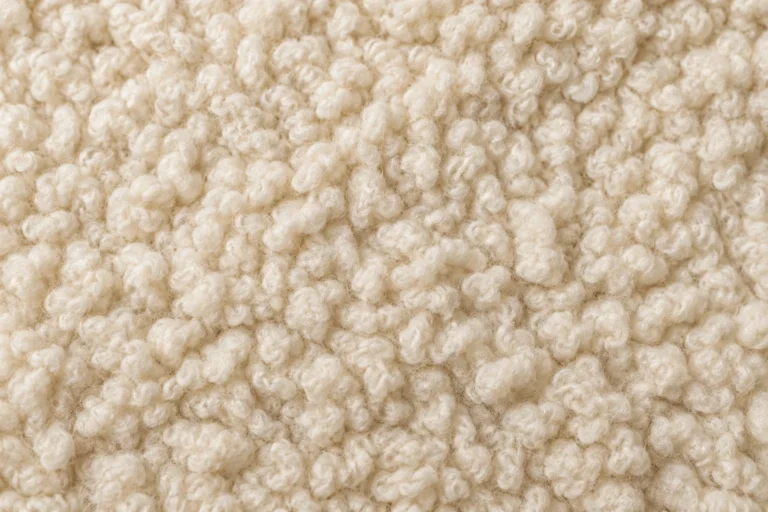
Sherpa (Teddy Fleece)
A polyester fleece with a deep, curly pile that looks like sheep's wool. It is the warm lining of trapper and bomber hats, ear flaps and…
FleeceSherpa (teddy fleece)Heavyweight
- Warmth
- Very high
- Breathability
- Moderate
- Stretch
- Moderate
Cap & Hat Materials
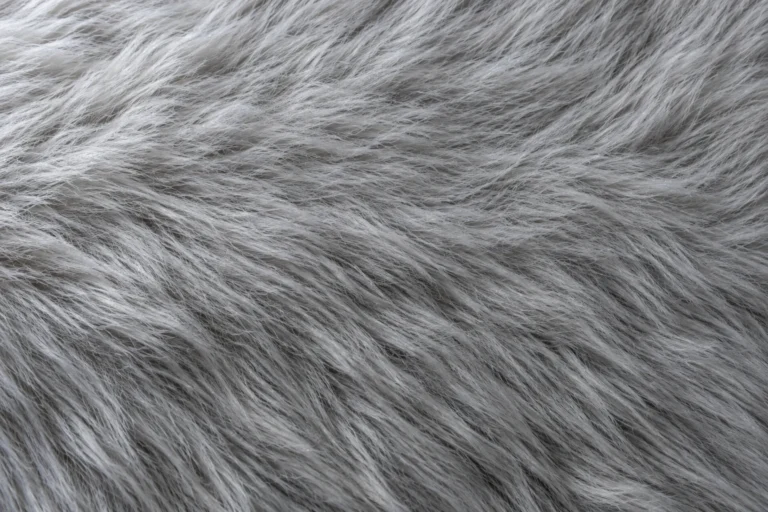
Faux Fur
A long-pile knitted fabric in acrylic or modacrylic, usually on a polyester back, that imitates animal fur. Used for the lining, ear flaps and trims of…
Faux fur (long pile)Heavyweight
- Warmth
- Very high
- Breathability
- Low
- Stretch
- Low
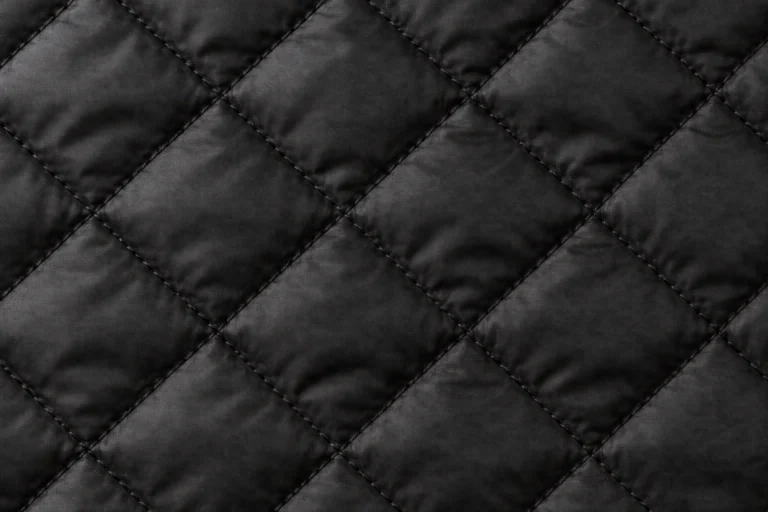
Cap & Hat Materials
Quilted Nylon
A light nylon shell stitched to a layer of polyester wadding in diamond or channel quilting. It gives bomber hats, trapper hats and winter caps a…
QuiltedWovenMidweight
- Warmth
- High
- Breathability
- Low
- Stretch
- Low

Cap & Hat Materials
Linen & Cotton-Linen
Linen woven from flax fibre, on its own or blended with cotton. Light, cool and breathable, with a natural slub texture, it suits summer bucket hats,…
WovenLightweight
- Warmth
- Low
- Breathability
- Very high
- Stretch
- Low
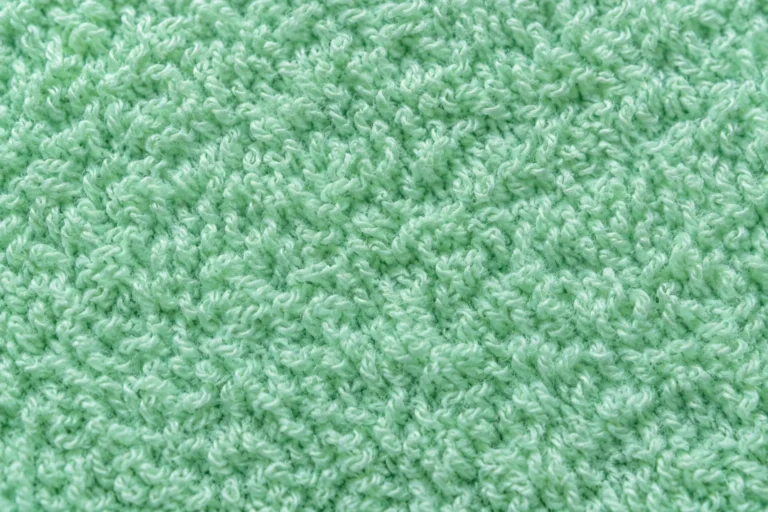
Cap & Hat Materials
Terry Towelling
A cotton fabric covered in soft, uncut loops, like a towel. It absorbs sweat and water and gives retro bucket hats, beach hats and visors a…
Terry loopMidweight
- Warmth
- Moderate
- Breathability
- High
- Stretch
- Low

Cap & Hat Materials
Wool Felt (Hat Body)
Wool fibre pressed into a dense, matte felt that is steamed and shaped into hat bodies. It holds a crown and a brim, and is the…
Felt (non-woven)Midweight
- Warmth
- High
- Breathability
- Moderate
- Stretch
- Low

Cap & Hat Materials
Paper Straw
Paper yarn braided or woven into a light, flexible straw. It is the most common material for Panama-style, beach, floppy and cloche hats, and it can…
Braided or woven strawLightweight
- Breathability
- Very high
- Stretch
- Low
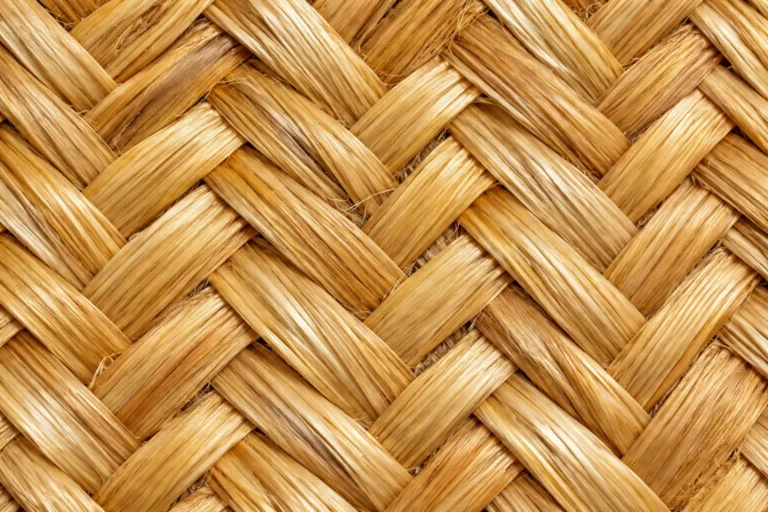
Cap & Hat Materials
Wheat Straw
Natural wheat stems plaited into a light, warm-toned straw. It gives beach, boater-style, cowboy and Panama-style hats a natural look and a light, breathable feel.
Braided or woven strawLightweight
- Breathability
- Very high
- Stretch
- Low

Cap & Hat Materials
Palm Straw
Palm leaf cut into strands and woven into a supple, hard-wearing straw. It is used for Panama-style, beach and floppy hats and stays flexible enough to…
Braided or woven strawLightweight
- Breathability
- Very high
- Stretch
- Low

Cap & Hat Materials
Raffia
A natural palm fibre used as a soft, matte, slightly rustic straw. Braided or crocheted into beach hats, floppy hats and cloche hats, it gives a…
Braided or woven strawLightweight
- Breathability
- Very high
- Stretch
- Low
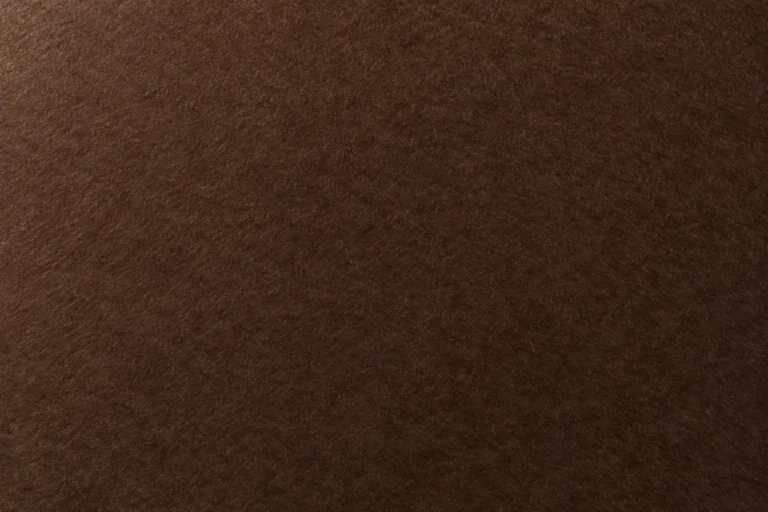
Cap & Hat Materials
Fur Felt (Hat Body)
Felt made from fine animal fur fibre, usually rabbit or hare, which is denser, smoother and lighter than wool felt. It is the traditional material of…
Felt (non-woven)Midweight
- Warmth
- High
- Breathability
- Moderate
- Stretch
- Low

Cap & Hat Materials
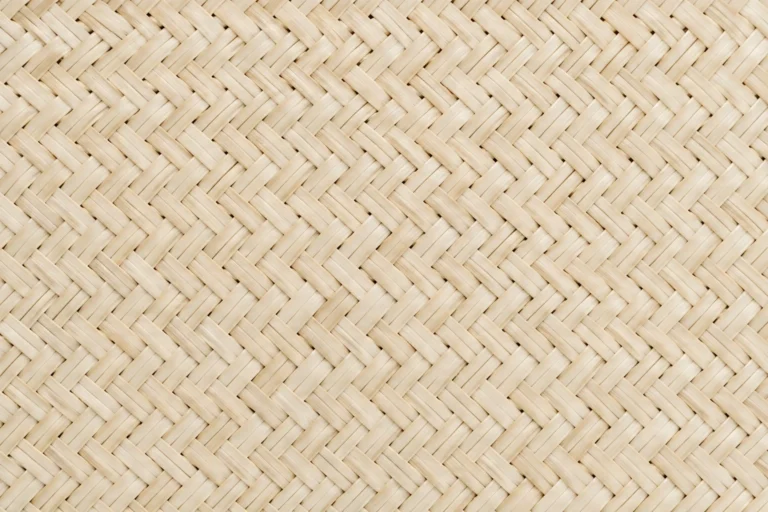
Seagrass Straw
Dried seagrass stems twisted and woven into a sturdy, slightly glossy straw with a green to golden tone. It makes firm sun hats, beach hats and…
Braided or woven strawMidweight
- Breathability
- High
- Stretch
- Low
Cap & Hat Materials
Toquilla Straw (Panama)
The straw of genuine Panama hats, hand-woven in Ecuador from the leaves of the toquilla palm. It is fine, light and flexible, and the finer the…
Braided or woven strawLightweight
- Breathability
- Very high
- Stretch
- Low

Cap & Hat Materials
Cap Buckram & Foam Interlining
The hidden layers that give a cap its shape: stiff buckram or fusible interlining behind the front panels, and a foam layer behind the front of…
Lightweight
Cap & Hat Materials
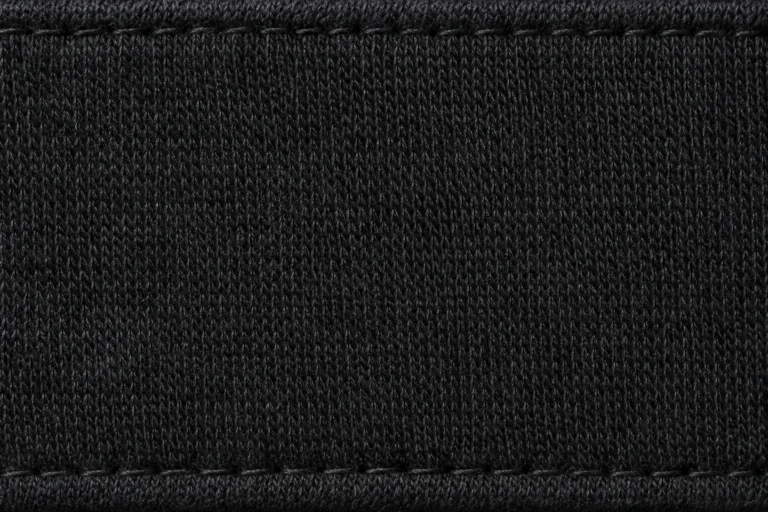
Cap Sweatband & Lining Fabrics
What touches the head: a cotton, moisture-wicking polyester or terry sweatband, and satin, cotton or quilted linings in hats and uniform caps. They decide comfort, sweat…
Lightweight
- Warmth
- Low
- Breathability
- High
- Stretch
- Moderate

Scarf Fabrics
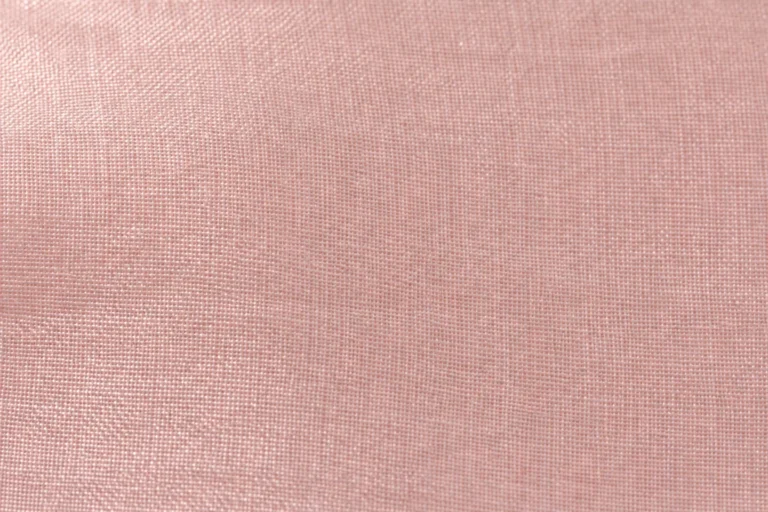
Mulberry Silk Twill
The classic fabric of the printed silk square: mulberry silk woven in a fine diagonal twill. It has a soft lustre, a firm, smooth hand and…
WovenTwillLightweight
- Warmth
- Moderate
- Breathability
- Very high
- Stretch
- Low
Scarf Fabrics
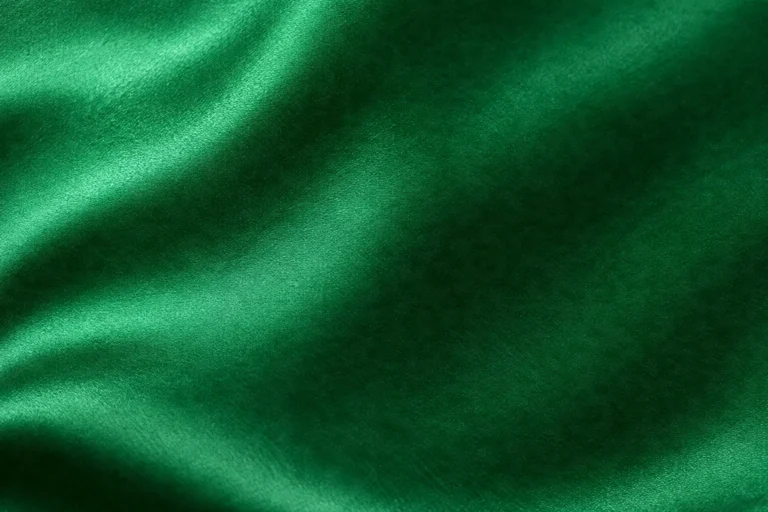
Silk Habotai
A light, smooth plain-weave silk, also called China silk or pongee silk. It is thinner and airier than twill, so it suits light neck scarves, hair…
WovenPlain weave (pongee, taffeta)Lightweight
- Warmth
- Low
- Breathability
- Very high
- Stretch
- Low
Scarf Fabrics
Silk Satin (Charmeuse)
Silk woven as a satin, with a glossy face and a matte back. It has the most lustre and the most fluid drape of the silks,…
WovenSatin weave (charmeuse)Lightweight
- Warmth
- Low
- Breathability
- Very high
- Stretch
- Low

Scarf Fabrics
Silk Chiffon
A sheer, very light silk woven from tightly twisted yarns. It floats and layers beautifully, so it is used for evening wraps, bridal stoles and premium…
WovenChiffonLightweight
- Warmth
- Low
- Breathability
- Very high
- Stretch
- Low
Scarf Fabrics
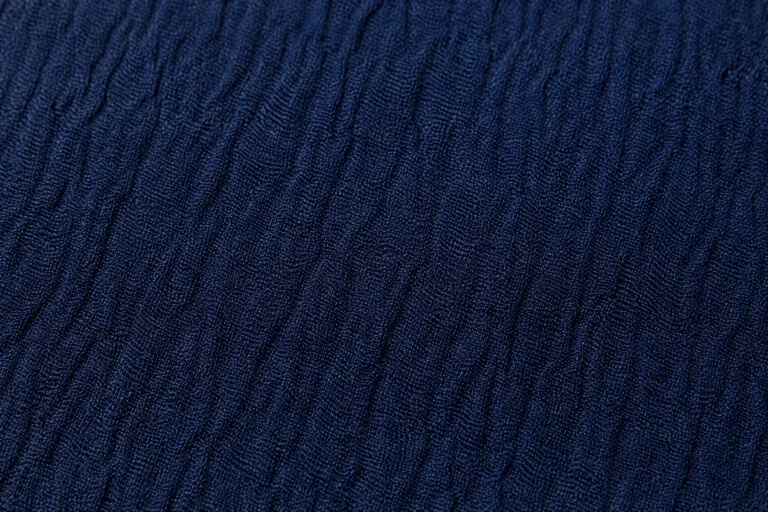
Silk Georgette
A sheer silk with a crinkled, crepe-like surface. It is heavier and less transparent than chiffon and grips better, so it holds a drape and stays…
WovenGeorgetteLightweight
- Warmth
- Low
- Breathability
- Very high
- Stretch
- Low
Scarf Fabrics
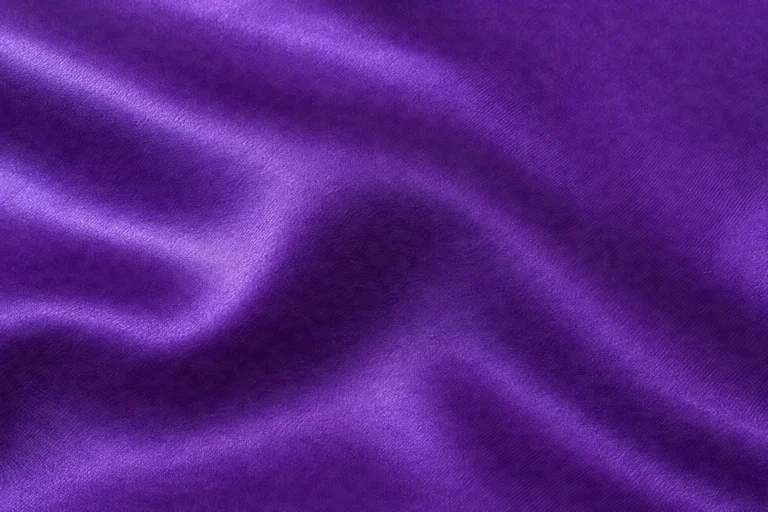
Polyester Satin
A satin weave in polyester with the gloss of silk satin at a lower price. It is durable, easy to wash and one of the best…
WovenSatin weave (charmeuse)Lightweight
- Warmth
- Low
- Breathability
- Moderate
- Stretch
- Low

Scarf Fabrics
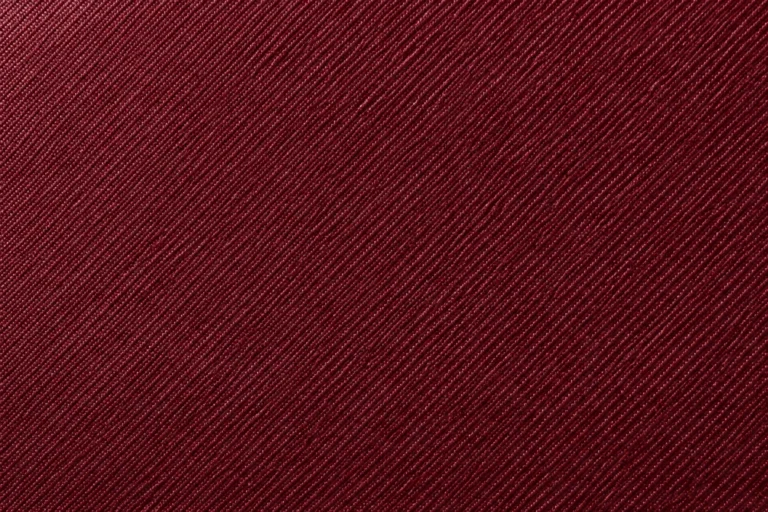
Polyester Chiffon
A sheer, light polyester that drapes like silk chiffon but costs less, keeps its colour and washes easily. It is one of the most common fabrics…
WovenChiffonLightweight
- Warmth
- Low
- Breathability
- Very high
- Stretch
- Low
Scarf Fabrics
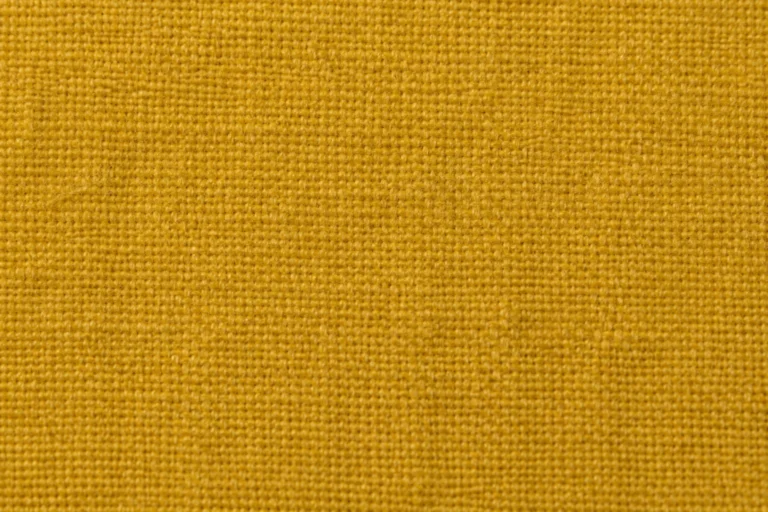
Polyester Twill (Silk-Touch)
A fine polyester twill with a soft, silk-like hand, often sold as silk-touch or silky twill. It holds a knot like silk twill, takes sublimation and…
WovenTwillLightweight
- Warmth
- Low
- Breathability
- Moderate
- Stretch
- Low
Scarf Fabrics
Viscose (Rayon) Challis
A soft, fluid plain weave in viscose, also called rayon. It feels cool, breathes like cotton, drapes like silk and absorbs dye evenly, so rotary-screen and…
WovenPlain weave (pongee, taffeta)Lightweight
- Warmth
- Low
- Breathability
- Very high
- Stretch
- Low
Scarf Fabrics
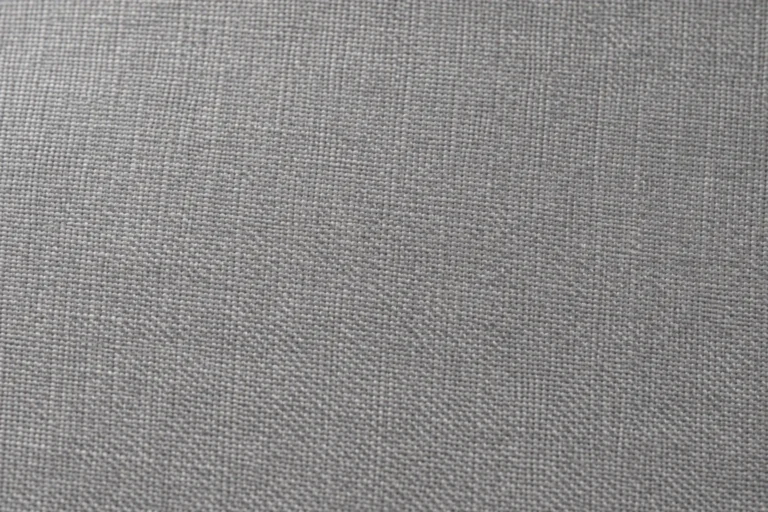
Modal
A refined cellulose fibre in the viscose family. It is usually softer and stronger when wet than standard viscose and keeps its shape after washing, which…
Single jerseyWovenLightweight
- Warmth
- Low
- Breathability
- Very high
- Stretch
- Moderate

Scarf Fabrics
Cotton Voile
A light, slightly sheer cotton plain weave made from fine, tightly twisted yarns. It is crisp, breathable and comfortable in heat, so it suits summer scarves,…
WovenVoileLightweight
- Warmth
- Low
- Breathability
- Very high
- Stretch
- Low

Scarf Fabrics
Bandana Cotton (Poplin)
The classic fabric of the printed bandana: a firm, light cotton plain weave such as poplin or lawn. It is soft, absorbent and gets softer with…
WovenPlain weave (pongee, taffeta)Lightweight
- Warmth
- Low
- Breathability
- Very high
- Stretch
- Low

Scarf Fabrics
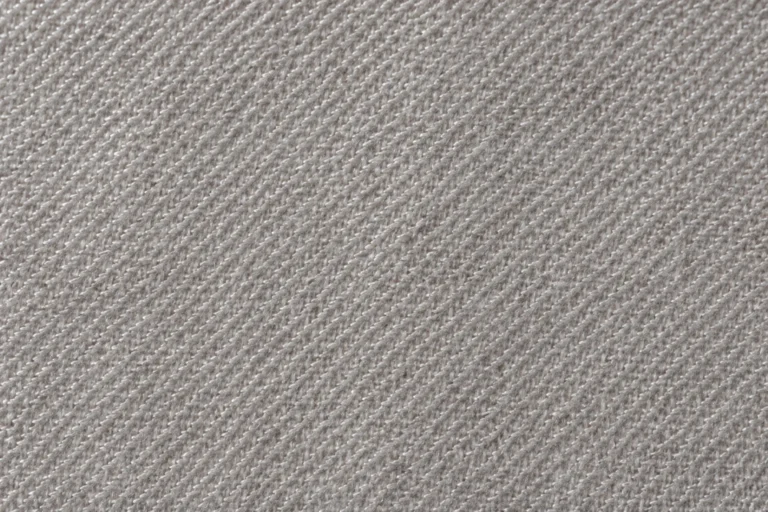
Woven Cashmere & Cashmere Blends
Cashmere woven into a soft, flat scarf, usually finished with twisted fringes: pure cashmere for the top of the range, cashmere-wool for softness at a lower…
WovenTwillMidweight
- Warmth
- Very high
- Breathability
- High
- Stretch
- Low
Scarf Fabrics
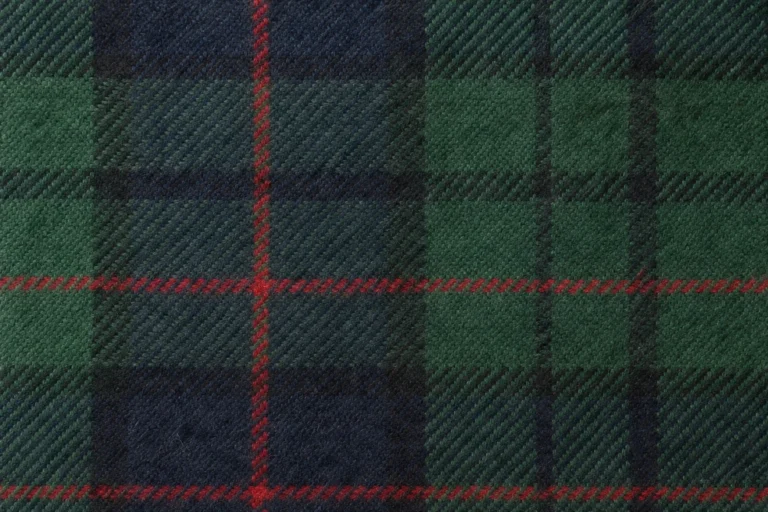
Pashmina
A very fine cashmere woven into light, fluid wraps and shawls, often blended with silk. It is warm for its weight, drapes softly and is the…
WovenPlain weave (pongee, taffeta)Lightweight
- Warmth
- High
- Breathability
- High
- Stretch
- Low
Scarf Fabrics
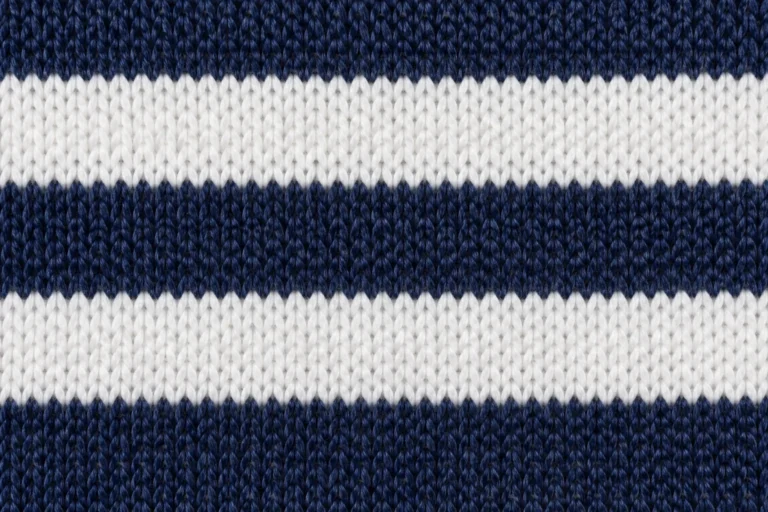
Woven Wool & Merino (Checks & Tartans)
Wool and merino woven into flat scarves with fringes, the classic choice for checks, tartans and heritage plains. Yarn-dyed by the mill, so the pattern is…
WovenTwillMidweight
- Warmth
- Very high
- Breathability
- Very high
- Stretch
- Low
Scarf Fabrics
Double-Layer Acrylic Jacquard (Fan Scarf Knit)
The knit of the classic football and fan scarf: acrylic yarn knitted on flatbed machines as a double-layer jacquard, so names, crests and colours are part…
Double knit (heavy)Jacquard knitMidweight
- Warmth
- Very high
- Breathability
- Moderate
- Stretch
- Moderate
No fabric matches all of these filters. Remove one, or ask us: we source fabrics to brief. Clear filters
How to read a fabric sheet
Typical values and confirmed specifications
Every fabric sheet separates general textile knowledge from what we confirm for your order, so you know which figures you can put in your own specification.
-
Typical for this fabric type
Construction, usual composition, weight class and relative warmth, breathability and stretch. Use it to shortlist; it describes the fabric type, not a specific roll.
-
Mr Balaclava specification
Exact fibre composition, GSM, colours, finishes and sampling for the fabric in your order. A value appears on the sheet once it is confirmed with our mills; until then, we confirm it with your quote.
-
Decoration suitability
Which branding methods usually work on the fabric: embroidery, screen printing, sublimation, heat transfer, labels, patches and knitted-in logos. We check the method on your sample before bulk production.
Choosing a fabric
Four questions that narrow the choice
Most fabric decisions come down to where the product is worn, how it fits, how it is branded and which claims you want to make.
-
Where and when is it worn?
Sub-zero wind calls for fleece, merino or softshell; running and cycling call for light, wicking polyester or stretch jersey; everyday wear suits cotton and acrylic knits.
-
How close does it fit?
Close-fitting balaclavas and neck gaiters need elastane or a rib knit that recovers its shape. Looser styles can use fleece or plain jersey.
-
How will you brand it?
Sublimation needs a polyester-rich, light fabric. Knitted-in logos need a yarn-knitted product such as a beanie. Embroidery and patches work on most stable fabrics.
-
Which claims do you need?
Recycled, organic or certified claims have to be documented by the fabric supply chain. Read the textile certifications guide before you plan the label.
Your fabric brief
Five things that define a fabric
Put these in your brief or tech pack. If you do not know them yet, we fill them in with you and confirm them with your quote. Our fabrics come from partner mills, including OEKO-TEX® certified mills with the certificate available on request; knitted products are knitted in-house.
-
Composition
The fibre mix, for example 100% combed cotton or a polyester/spandex blend. Blends change stretch, warmth, care and how a print behaves.
-
Weight (GSM)
Grams per square metre for cut-and-sew fabrics. Knitted products such as beanies are specified by yarn, gauge and stitch instead.
-
Construction and finish
Jersey, interlock, rib, fleece or mesh, and finishes such as brushed, anti-pilling or moisture-wicking. Each family page explains the options.
-
Colour
A Pantone or physical colour reference. How your colour is matched and approved before bulk is agreed with your quote.
-
Claims and care
Any recycled, organic or certified claim you want on the label, and the care instructions. A claim needs the supplier's documentation for your fabric.
Guides
Fabric weight and certifications explained
Two reference pages for writing a fabric specification.
-
Fabric weight (GSM) guide
What GSM measures, why two fabrics with the same GSM behave differently, and how weight relates to balaclavas, beanies, scarves, socks and ski layers.
-
Textile certifications guide
GOTS, OCS, GRS, RCS, RWS and OEKO-TEX® STANDARD 100: what each one certifies, how chain of custody works, and what we can document today.
-
Sustainable materials
Organic cotton, recycled polyester, bamboo viscose and merino: why each is a lower-impact choice and which products it suits.
How ordering works
Three steps to your order
Every order starts with your brief and ends with tracked delivery. The standard production lead time is approximately 14 days.
-
Send your brief
Tell us the style, fabric, quantities, branding and deadline. We reply with a quote and suggest suitable materials.
-
Approve the sample
We confirm every measurement, colour and logo placement in a mockup and a tech pack, then make a physical sample in about 5–7 days, or you approve a pre-production sample by photo or video.
-
Production and delivery
Bulk production takes approximately 14 days as standard, and we confirm your schedule with the order. Every piece is inspected, packed to your specification and shipped with tracking.
FAQ
Fabric library: frequently asked questions
Is every fabric in the library in stock?
The library lists the fabric types we work with and what is typical for each. Exact composition, weight and colour availability depend on the mill and the season, so we confirm them for your order with the quote, before sampling.
Can I send my own fabric reference?
Yes. Add the fabric name, composition, weight (GSM) and a photo to your brief, and we reply with the options we can confirm for your order.
Which fabrics work with sublimation printing?
Sublimation needs a polyester-rich, light-coloured fabric: polyester jersey and interlock, polyester/elastane stretch jersey and, after a test, polyester microfleece. It does not work on cotton, wool or acrylic.
What does GSM tell me about a fabric?
GSM is the weight of one square metre of fabric in grams. It helps compare similar fabrics, but warmth and feel also depend on construction, fibre and finish. Our GSM guide explains how to use it in a brief.
Are your fabrics certified?
We work with partner mills, including OEKO-TEX® certified mills, and the mill's certificate for your fabric is available on request. Our status for other certifications is listed in the textile certifications guide.
Does the fabric change the minimum order?
Orders start at 50 pieces per style. If a fabric or colour choice changes the minimum for your order, we tell you in the quote.