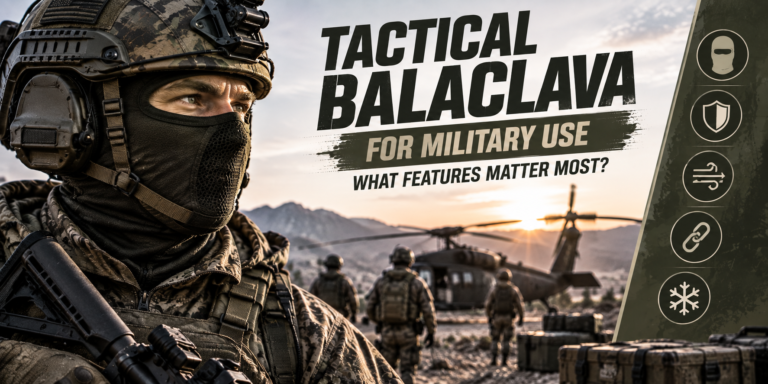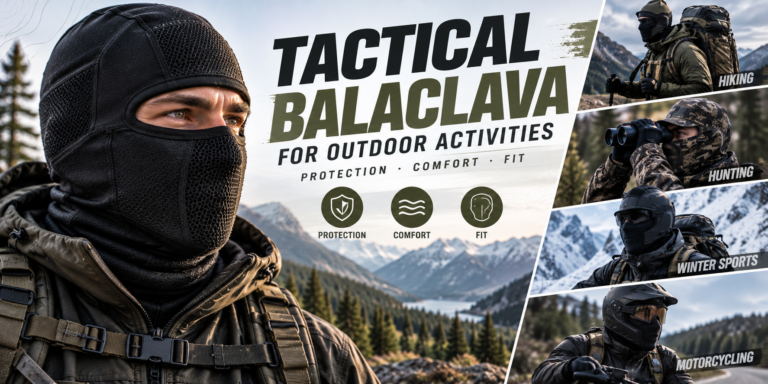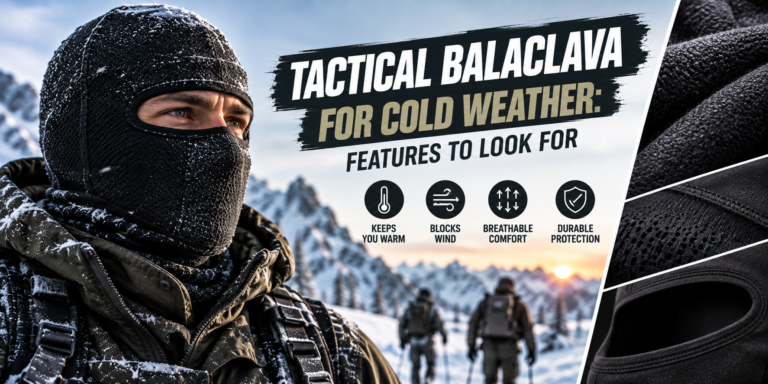
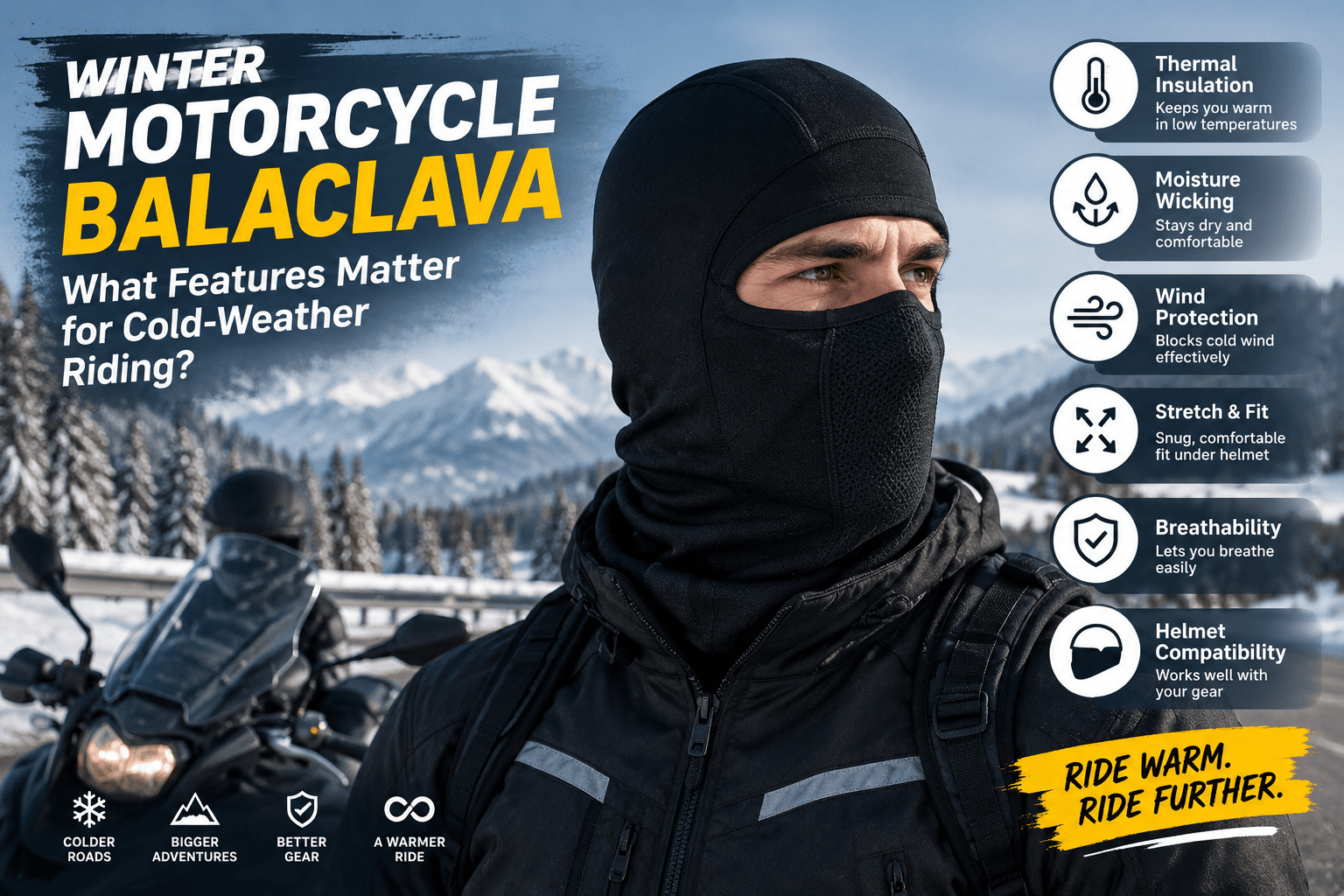
A winter motorcycle balaclava is a type of hat that is used to keep the head, face and neck warm when it is cold and to fit under a motorcycle helmet. In winter, wind chill can make the cold bite much harder than it actually is, particularly around exposed skin like the neck, the chin, cheeks and forehead.
The right balaclava should provide warmth without becoming so thick that it changes helmet fit. Fabric insulation, wind resistance, breathability, moisture management, seam placement, and neck coverage are some of the most important features to consider. Riders can explore this guide to the best motorcycle balaclava for a broader look at choosing suitable head and face coverage for riding.
What is a Winter Motorcycle Balaclava?
A winter motorcycle helmet hat is a tight-fitting hat designed for the winter season. Typically includes the head, ears, neck and much of the face with an opening around the eyes or a larger opening of the face.
A motorcycle specific mask is different from a thick winter hat as it has to be worn beneath a helmet. It must have the insulation required in cold weather and be thin enough and flexible enough to prevent pressure points.
The balaclava is a must for cold weather riding.
When the conditions are cold, it can be especially difficult for motorcycle riders to cope because the airflow they receive is constant. Cold air can reach the skin around the helmet opening, around the jacket collar and around the neck.
The combination of the rider and his or her helmet forms a second barrier between the rider and the environment: a balaclava creates this second barrier. It can help to decrease direct exposure to the cold air and to act as a buffer between the head and the helmet liner.
This can lead to a more pleasant winter ride without being too bulked up under the helmet.
Thermal Insulation
One of the most crucial features of winter motorcycle balaclava is insulation. The material should also be able to hold the heat, thus minimizing discomfort during cold weather riding.
Depending on design, thermal synthetic fabrics, lightweight fleeceback fabrics, merino blends and other insulating textiles can be appropriate. But thicker isn’t always better.
Excessive insulation can cause a helmet to be too tight and can also lead to overheating after the rider is active.
Wind Resistance
It’s not just cold temperatures. The wind chill is a major factor in determining the chill experienced by the rider, especially at higher speeds.
A quality winter hat can be constructed to be more wind resistant over exposed areas like the neck, chin and front of the face, but be more breathable over other parts.
This balance can work to minimize cold air flow and not restrict the overall garment.
Helmet-Friendly Thickness
A very common error is to dress very heavy for winter and wear a mask under a correct fit helmet.
Motorcycle helmets should fit snugly. Too much material between the head and helmet liner can compress the forehead, temples, ears and cheeks.
A winter motorcycle balaclava is thus supposed to offer effective insulation and not be too bulky. Always test the balaclava with the actual helmet and not the comfort of the balaclava alone.
Full Head and Neck Coverage
Neck coverage becomes especially valuable during winter. Even when the helmet covers most of the head, a small exposed gap between the helmet and jacket can allow cold air inside.
A longer balaclava can extend underneath the jacket collar and create more continuous coverage.
A bike ski mask style can illustrate the type of extended head and facial coverage riders may consider when looking for protection in colder outdoor conditions.
Still Breathing in Winter.
There should not be a compromise between warmth and breathability. Even in cold winter months, riders are able to sweat inside a helmet, even when riding long distances or when many layers of clothing are worn.
When moisture is kept against the skin, balaclava will start to feel damp. After the rider cools down, that moisture could make him more uncomfortable.
Breathable fabrics are good at controlling heat and moisture, and they are also insulating.
Moisture-Wicking Fabric
The moisture management is particularly crucial in the areas around the forehead, scalp and neck. A moisture wicking fabric keeps sweat from sticking to your skin, and distributes it throughout the fabric to allow it to dry more efficiently.
It can help to make a difference in terms of comfort for longer tours and winter trips.
Cotton may be soft but might hold onto moisture longer than some performance synthetic materials. Quick-drying textiles could be a better option for those who want to get from point A to B quickly and are in for long or tough rides.
Flat Seams for Helmet Comfort
A small seam that is compressed over the head for several hours can be rather uncomfortable.
Carefully placed seams or flatlocks minimize raised areas around the forehead, ears and scalp. Softer fabrics will, of course, require different seam placements.
The ideal fit of a balaclava is to be smooth under the helmet, with no pressure points.
Face Opening Design
Different balaclavas use different face-opening configurations. One-hole designs provide extensive facial coverage, while larger openings expose more of the face.
A motorcycle 1-hole sublimated balaclava demonstrates a one-opening format that riders can consider when comparing coverage styles.
Whatever design is chosen, fabric should never interfere with vision. Riders should confirm that both forward and peripheral vision remain completely unrestricted after putting on the helmet.
The nose and mouth comfort are enhanced.
However another problem can be present when the entire face is covered in winter – warm breath and excess moisture around the mouth and nose.
For the lower face area there should be adequate breathability to avoid over wetness. Another reason for fogging is poor air flow in some circumstances.
An ideal design should cover the face and not cause any discomfort when it touches the nose or makes respiration difficult.
How to avoid excessive visor fogging:
The design of a balaclava can affect the temperature of the breath that passes through the inside of its helmet. Fogging may be more visible if excessive amounts of air are blown upwards to the visor.
The mouth and nose area should, therefore, provide for sensible moisture and air flow.
But don’t depend on the balaclava as your sole method of fog-controlling your visor. The condensation will be influenced by the rider breathing, anti-fog mechanisms, weather conditions, visor position and helmet ventilation.
Stretch and Secure Fit
A good balaclava should have enough looseness to stretch around the head but not be so loose that it slips down around the neck. There can be too much material behind the helmet that is causing undue pressure.
Meanwhile, a too tight balaclava may lead to tension in the jaw, forehead, nose or neck area.
Search for a stretch fabric that has a tendency to recover its shape when it has been stretched or overused so that the garment will stay close to the body after being worn and washed more than once.
Warmth vs Bulk
One of the most crucial considerations for selecting winter motorcycle gear is the insulation to thickness ratio.
In mild winter weather, a light weight thermal balaclava can offer adequate protection. Fleece-backed or more insulating construction might be needed in colder weather.
The goal isn’t just to select the warmest. The balaclava should be warm enough and comfortable on the helmet.
Easy Cleaning and Drying
The winter balaclava will absorb perspiration, skin oils, hair products and water. It is important to clean it regularly to keep it comfortable and prevent the buildup inside the helmet.
Always follow manufacturer’s care directions before washing. For riders who are on the road often, or wear the balaclava daily, quick-drying materials might become an important feature.
If you have more than one to rotate and wash, you’ll find it easier to do that.
Winter Motorcycle Balaclava Buying Checklist
Before choosing a cold-weather balaclava, check:
- Low-bulk thermal insulation
- Wind-resistant coverage
- Breathable fabric
- Moisture-wicking performance
- Flat or carefully positioned seams
- Comfortable stretch
- Secure face opening
- Unrestricted vision
- Adequate neck coverage
- Breathable nose and mouth area
- Compatibility with your helmet
- Easy washing and drying
Common Buying Mistakes
A popular error people make is selecting the thickest balaclava they can find. Extra material can offer extra insulation, but too much insulation beneath a motorcycle helmet can make for an unwanted pressure.
Another error is to concentrate merely on warmth without taking into account moisture management. If you end up sweating through your balaclava it can make the winter ride uncomfortable.
Riders should also steer clear from patterns which move around the eyes or tend to bunch up under the helmet.
Conclusion
Finding the warmest face covering is the wrong way to pick the right motorcycle balaclava for the winter season. Insulation, wind resistance, breathability, moisture control, neck coverage, seam construction, stretch and helmet compatibility should all be taken into account by riders.
A good balaclava outfit ought to offer valuable cold weather protection and have a thin, agreeable fit under the helmet. Most important of all, it should never block visibility, breathing, helmet placement or normal riding motions.
If you plan to ride in the cold, look for one that is both warm and low-bulk and has moisture-absorbing properties, allowing you to cover more miles in winter without being overly warm or cumbersome.
FAQs
What material is best for a winter motorcycle balaclava?
Thermal synthetic fabrics, fleece-backed performance materials, and suitable wool blends can provide warmth. The best material depends on temperature, ride duration, moisture management, and helmet fit.
Should a winter balaclava be thick?
Not necessarily. It should provide appropriate insulation while remaining thin enough to work correctly with a properly fitted motorcycle helmet.
Does a motorcycle balaclava help block wind?
A suitable design can reduce direct exposure to cold airflow, especially around the face and neck. Wind protection depends on fabric construction and coverage.