Snowboarding puts your face directly in the path of wind, snow spray, and freezing temperatures. A well-chosen snowboard balaclava protects your skin while keeping you comfortable through long days on the mountain. In this guide, we break down the design factors that matter most, from fabric choice to coverage style, so you can find the right fit for your riding.
Why Snowboarders Need Specialized Face Protection
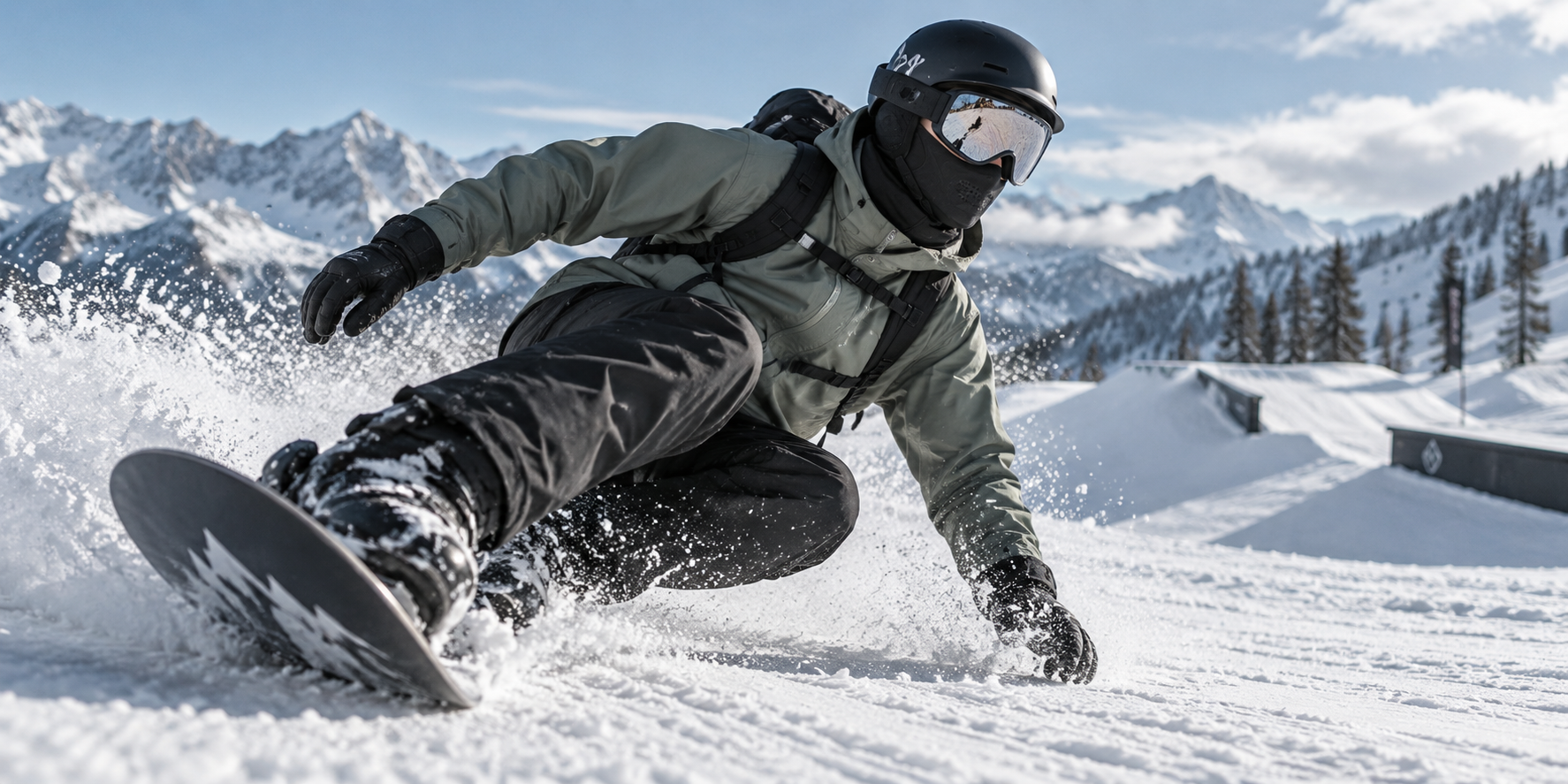
Snowboarding often involves higher speeds and more direct exposure to wind than casual winter activities. Therefore, generic scarves or thin masks rarely hold up during a full day of riding.
Additionally, snow spray from jumps, rails, and powder runs adds another layer of exposure that skiing doesn’t always involve in the same way. As a result, snowboarders benefit from gear specifically designed to handle both cold wind and repeated snow contact throughout a full day on the mountain.
Key Design Factors to Consider
Choosing the right balaclava involves more than picking a color you like. Several design factors directly affect how well it performs during actual riding conditions.
Fabric Weight and Insulation
Fabric weight determines how much warmth the balaclava provides. Lightweight designs suit milder days or high-intensity riding sessions, while heavier, insulated fabric works better for extreme cold. Consequently, riders should think about their typical riding conditions before choosing a fabric weight.
Benchmarking Against Proven Designs
Before settling on a specific product, it helps to compare options against established performance standards. This guide to the best balaclava options outlines fabric quality and fit criteria that apply well beyond motorcycle riding, including snowboarding and other high-exertion winter sports.
Coverage Styles for Different Riding Conditions
Coverage level plays a major role in comfort and protection. Not every rider needs the same amount of face and neck coverage, so understanding the options helps narrow down the right choice.
Full-Face Coverage for Harsh Conditions
Riders facing intense wind, deep powder, or extremely cold temperatures often benefit from maximum coverage. A full-coverage ski mask style protects the entire face and neck, which matters most on exposed runs or during backcountry riding.
Partial Coverage for Milder Days
On warmer riding days, partial coverage designs offer better breathability without sacrificing core protection. These styles work well for riders who want flexibility to adjust airflow as temperatures shift throughout the day.
Balaclava vs Neck Gaiter for Snowboarding
Many riders weigh a full balaclava against a simpler neck gaiter before making a purchase. Both offer protection, but they serve slightly different needs on the mountain.
This comparison of the neck gaiter style explains how it differs from a full balaclava in terms of coverage and flexibility. Neck gaiters typically offer easier breathing and quicker adjustment, while full balaclavas provide more complete protection for sustained cold exposure.
Fit Considerations Under a Snowboard Helmet
Fit affects both comfort and performance, especially once a helmet and goggles come into play. A balaclava that bunches or shifts during riding creates distractions that most riders want to avoid.
Testing Compatibility With Your Gear
Try your balaclava on with your helmet and goggles together before your first run of the season. This step helps identify gaps or pressure points early, when adjustments are still easy to make.
Choosing Stretch Fabric for a Secure Fit
Fabric with good stretch molds to different face shapes more effectively than rigid materials. This matters particularly for riders who move their jaw frequently while communicating with friends or adjusting their stance during a run.
Managing Warmth in Extreme Cold
Some riding destinations bring temperatures far below what standard gear can comfortably handle. Understanding when extra insulation becomes necessary helps riders avoid discomfort or safety risks.
This resource on thermal balaclava options explains when added warmth matters most, which applies directly to snowboarders riding in harsh mountain climates or during early morning lift lines before temperatures rise.
Breathability and Moisture Management
Snowboarding is physically demanding, and moisture buildup can quickly become uncomfortable in cold conditions. A balaclava without proper moisture control often leaves riders feeling clammy or overly warm during intense sections of a run.
Look for moisture-wicking fabric that pulls sweat away from the skin rather than trapping it. This feature matters especially for riders who spend significant time hiking for backcountry lines or riding through variable terrain.
Color and Visibility Considerations
While performance matters most, color choice also plays a practical role. Darker colors absorb more heat from direct sunlight, which can help on especially cold days. Lighter or brighter colors, meanwhile, improve visibility on the mountain, which some riders prioritize for safety reasons during group rides.
Caring for Your Snowboard Balaclava
Proper care extends the lifespan of your gear across multiple seasons. Wash your balaclava with a gentle detergent after regular use, and avoid fabric softeners, which can reduce moisture-wicking performance over time.
Air dry your balaclava rather than using high heat, since intense heat can damage insulating fibers. Store it in a dry, cool space between trips to preserve elasticity and prevent mildew from developing during the off-season.
Final Thoughts
Choosing the right snowboard balaclava comes down to matching fabric, coverage, and fit to your specific riding style and typical conditions. It protects your skin from wind and snow exposure while keeping you comfortable through long days on the mountain. In short, prioritizing quality fabric and a secure fit under your helmet makes cold-weather riding far more enjoyable, run after run. Use the guidance above to find a balaclava that keeps up with your next season of riding, no matter what conditions the mountain throws at you.
FAQs
What’s the difference between a ski balaclava and a snowboard balaclava?
The core design is often similar, though snowboard-specific options may prioritize additional snow-spray protection and stretch for more active movement.
Should I choose a full balaclava or a neck gaiter for snowboarding?
Full balaclavas offer more complete coverage for cold, exposed conditions, while neck gaiters provide more flexibility and easier breathing on milder days.
How do I prevent my balaclava from fogging my goggles?
Make sure the balaclava sits smoothly under your goggles without gaps, since trapped warm air near the lens is the most common cause of fogging.