
Ski wear is not one product sold into one market. The same jacket that makes sense for a week in Hokkaido is over-specified for a mild Gulf winter and under-specified for a British hill in horizontal rain. Climate, season length and the way people actually buy all change what a region needs.
This guide consolidates what we have published about ski wear across Japan, the UK and Ireland, the Mediterranean and the Gulf. It replaces a series of city-level articles with one regional view, and it is written for the people who plan and source collections as much as for the people who wear them.
Why region changes the specification
Three variables do most of the work. The first is the character of the cold: dry and still, dry and windy, or wet and marginal. The second is how long the season lasts, which decides whether buyers want a technical investment piece or something lighter they will wear a handful of times. The third is the retail channel, because an outlet shopper, a specialist-store shopper and a department-store shopper are not buying the same thing even when the garment looks similar.
Get those three right and the rest of the specification — fabric weight, insulation, seam treatment, fit — follows sensibly.
Japan: deep powder and sustained cold
Japan is the most demanding of the regions covered here. Hokkaido and Nagano are known for consistent powder snow, and temperatures in those areas drop below zero through the depth of winter. That combination puts real pressure on a garment: powder gets into every opening, and sustained sub-zero cold gives no chance to dry out between runs.
Practically, this is a market where waterproof and windproof outer fabrics, genuine insulation and closures that actually seal all earn their place. It is also a mature domestic market with established names — Goldwin, Descente and Phenix among them — so imported product is judged against a high local benchmark rather than against nothing.
The UK and Ireland: a travel-led market
British and Irish demand is different in kind. Most buyers are not skiing at home; they are buying before a trip. Winter conditions at home are dry, cold and windy rather than deeply snowy, which means alpine-grade gear is bought for a week abroad and then worn as everyday winter clothing for months. Garments that only make sense on a mountain get less use, and buyers know it.
The retail structure reflects that. Specialist mountain-sports retailers serve buyers who want technical advice and proper fitting — Ellis Brigham, trading from around two dozen stores across the UK, is the long-established example. Large sports multiples such as Decathlon cover the value end. Department stores and fashion retail carry a premium, style-led tier. Designer outlet villages sit in between, clearing recognised outdoor and premium outerwear labels at end-of-season prices.
For a brand, that spread matters more than any single city. The same region supports a value tier, a technical tier and a luxury tier simultaneously, and each one implies a different fabric budget and finish standard.
The Mediterranean and the Gulf: short seasons, mild baselines
Cyprus does have a ski area — a small one on Mount Olympus in the Troodos range, at roughly 1,730–1,950 m — and conditions there can be genuinely cold, windy and snowy. But the season is short, typically running from January into March. Buyers want gear that performs for a few weeks without the weight or cost of a full alpine kit.
Kuwait illustrates the other pattern. Winter runs roughly December to February. Days are mild by alpine standards — commonly around 18–21°C — but nights drop into single figures and, at the coldest, can approach freezing. Wind and exposure during outdoor activity still make insulation worthwhile. Almost all serious ski-wear demand is travel-led: people are equipping themselves for somewhere else.
Both markets reward lighter, packable, versatile product over maximum insulation — and both are more price-sensitive on items that will not be worn year-round.
The layering system every region shares
Regional differences change the emphasis, not the structure. Every market covered here still relies on the same three layers.
The base layer manages moisture. Its job is to move sweat away from the skin so that insulation stays effective; merino and technical synthetics both do this well, and cotton does not. The mid layer traps warm air — fleece and light insulated pieces give warmth without bulk, and this is the layer most easily adjusted to conditions. The outer layer handles weather: waterproofing, windproofing and breathability, with seam sealing and closures doing much of the real work.
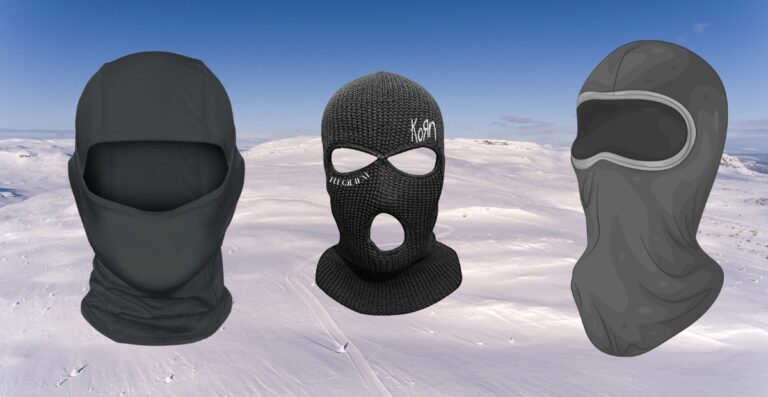
Accessories finish the system. Gloves, goggles and face coverage protect the areas that lose heat fastest and are exposed longest. A merino ski balaclava is a good example of a small item that changes the comfort of a whole day, and fit under a helmet matters more than most buyers expect.
What regional demand means for brands sourcing ski wear
If you are building a ski-wear range rather than buying one, the regional picture translates into a few clear decisions.
Specify to the coldest market you actually sell into, then simplify. It is easier to remove insulation from a proven construction than to add performance to a garment that was never built for it.
Match the tier to the channel. A garment aimed at outlet and value retail does not need the same fabric budget as one aimed at specialist stores — but it does need honest labelling, because those buyers compare closely.
Treat accessories as range extenders. Balaclavas, beanies and neck coverage carry branding well, cost far less to develop than outerwear, and sell into mild and severe markets alike. They are often the most efficient way to enter a new region.
We manufacture across this category, from ski base layers to custom balaclavas, and our private label and OEM services cover development from specification through to finished production. If you want to understand how a piece actually gets made, our manufacturing process page walks through it.
Frequently asked questions
Which region has the most demanding ski wear requirements?
Of the markets covered here, Japan. Consistent powder snow in Hokkaido and Nagano combined with sustained sub-zero temperatures places the highest demands on waterproofing, insulation and closure design.
Is alpine-grade ski wear worth buying in a mild climate?
Often yes, but for a different reason than buyers expect. In the UK and Ireland especially, ski wear bought for a trip abroad is worn as everyday winter clothing for the rest of the season, so versatility and styling matter alongside technical performance.
What changes between a value-tier and a premium-tier ski garment?
Usually fabric weight and quality, insulation type, seam sealing, and the finish of closures and trims. The visible design can be similar; the difference shows up in sustained wet or cold conditions and in how the garment survives repeated seasons.
Where do accessories fit in a regional range?
They travel further than outerwear. A balaclava or beanie sells into both mild and severe markets, carries branding effectively, and requires far less development investment than a technical jacket — which makes it a practical first step when entering a new region.
Browse more in Brand & Industry, or talk to us about a regional range.