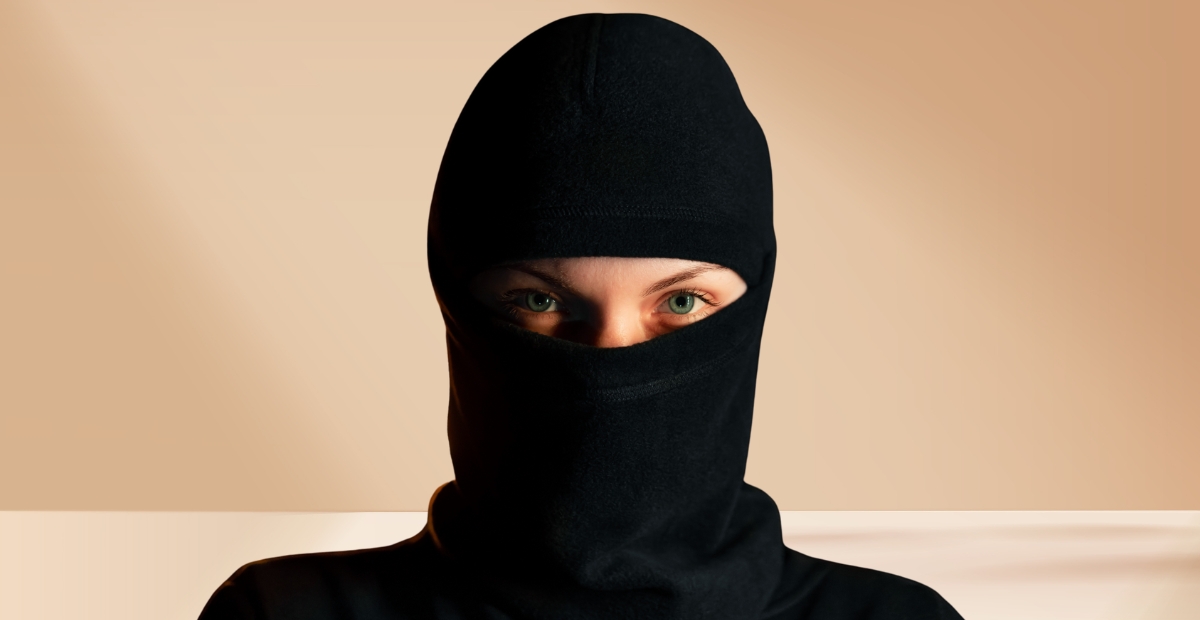
Everyday objects are perceived differently based on the names assigned to them. Take the example of a balaclava. While the term is widely used internationally, Americans tend to use a different byname. An examination of the naming practices in this example highlights the influence of culture, fashion, and history on language.
Table of contents
- What is a Balaclava? A Quick Overview
- The American Name: Why it’s Commonly Called a Ski Mask
- Balaclava vs. Ski Mask: Are They the Same Thing?
- History of the Balaclava: From War Gear to Streetwear
- Other Terms Americans Use Instead of Balaclava
- Style and Function: Modern Uses of Balaclavas in the U.S.
- Pop Culture Influence: How Movies and Media Shape the Name
- Fashion vs. Utility: When People Say Balaclava Instead of Ski Mask
- Safety Concerns: Why the Term “Ski Mask” Has Mixed Meanings
- Global Perspective: What Other Countries Call a Balaclava
- The Growing Popularity of the Word “Balaclava” in the U.S.
- Conclusion:
- FAQs
What is a Balaclava? A Quick Overview
A balaclava is a protective head covering that wrap balaclava around the face, neck, and head. They are made from various fabrics, including wool, cotton, and other synthetic materials. Depending on the design, some balaclavas cover the entire face, leaving only the eyes visible, while others cut out the mouth, nose, or share more of the face. Balaclavas are worn in cold weather, during certain sports, and increasingly, as a fashion statement.
The American Name: Why it’s Commonly Called a Ski Mask
In the United States, it is quite uncommon for folks to use the term “balaclava.” Most people will use ski mask manufacturing instead. The explanation is rather straightforward. Skiing and snowboarding are winter sports that became widely popularized in the 20th century. The headgear worn on the slopes resembled a balaclava which is why the term “ski mask” became associated with it. Most Americans use the term today without knowledge of the original name.
Balaclava vs. Ski Mask: Are They the Same Thing?
A common query is whether a ski mask and a balaclava are the same. The response is a qualified yes. A ski mask is a type of balaclava. However, not every balaclava is a ski mask. For example, lightweight runners’ balaclavas are not typically categorized as ski masks. In the U.S. the term, however, tends to generalize and includes all types.
History of the Balaclava: From War Gear to Streetwear
The history of the balaclava can be traced to the 1850s Crimean War. British soldiers had to endure freezing winters and wore knitted head coverings. It was during this time that the town of Balaclava was providing these soldiers the knitted head coverings. The balaclava has since moved beyond the battlefield and is used during winter sports, outdoor work, and is now a staple in fashion.
Other Terms Americans Use Instead of Balaclava
Aside from “ski mask,” Americans have a few other names. In outdoor sports, some people use the term a face mask. The motorcycling community has people calling it a head sock. In military or tactical situations, the term tactical hood is used. Although these are not as popular, they emphasize the adaptability of language.
Style and Function: Modern Uses of Balaclavas in the U.S.
Fashion has taken a newfound interest in balaclavas. Once simple garments meant for winter sports and military use, they are now considered statement pieces by a number of designers. Athletes still use them for warmth, and construction workers in frigid climates are also dependent on them. On a daily basis, they are referred to as “ski masks” by Americans.
Pop Culture Influence: How Movies and Media Shape the Name
This perception is in part due to films, television, and news coverage. In countless heist films, criminals wear ski masks as a means of concealing their identity. The masks are also associated with athletes in sports movies. As a result, many people are aware of the term “ski mask.” The cinematic world is primarily responsible for the popularization of this term.
Fashion vs. Utility: When People Say Balaclava Instead of Ski Mask
There is a shift in branding and the use of the term balaclava in the fashion industry. It is considered more sophisticated and is widely used in design circles. Inversely, “ski mask” is associated with lack of fashion. Fashion magazines and stores promote “balaclavas” to be more in line with high fashion. The term ‘balaclava’ is rarely used in day to day conversations.
Safety Concerns: Why the Term “Ski Mask” Has Mixed Meanings
In the United States, ski masks have a dual connotation. For one, it’s a necessary accessory for the winter pastime. Conversely, it’s associated with illegal behavior. When people hear “ski mask,” they think of heists and of people masked in news report footage. This borderline negative association leads some people to use the term balaclava in markets related to fashion and outdoors.
Global Perspective: What Other Countries Call a Balaclava
“Balaclava” is the term most people in Europe, Asia, and the world over use. In Canada, both terms are in use, albeit “balaclava” is the term most people. In Australia and the U.K. people almost exclusively say “balaclava.” This demonstrates the American English peculiarities, especially with regard to the names people use for the same item in other cultures.
The Growing Popularity of the Word “Balaclava” in the U.S.
The word “balaclava” is becoming more and more common in the U.S due to globalization, online shopping, and trends in fashion. Younger people are seeing the word and its use in social media and are beginning to pair the two. Over time, many Americans will probably use the word “balaclava” as frequently as “ski mask.”
Conclusion:
At the end of the day, “balaclava” and “ski mask”refer to the same thing. The difference is in the usage of language. In the U.S, the most common term is “ski mask.” In the world of fashion, and especially in the international context, the term “balaclava” is most widely used. Regardless of what you call it, they all serve the same purpose- warmth, protection, and even style.
FAQs
Most Americans call it a ski mask.
A ski mask is a type of balaclava, but the terms overlap.
Because it is often shown in movies and news linked to crime.