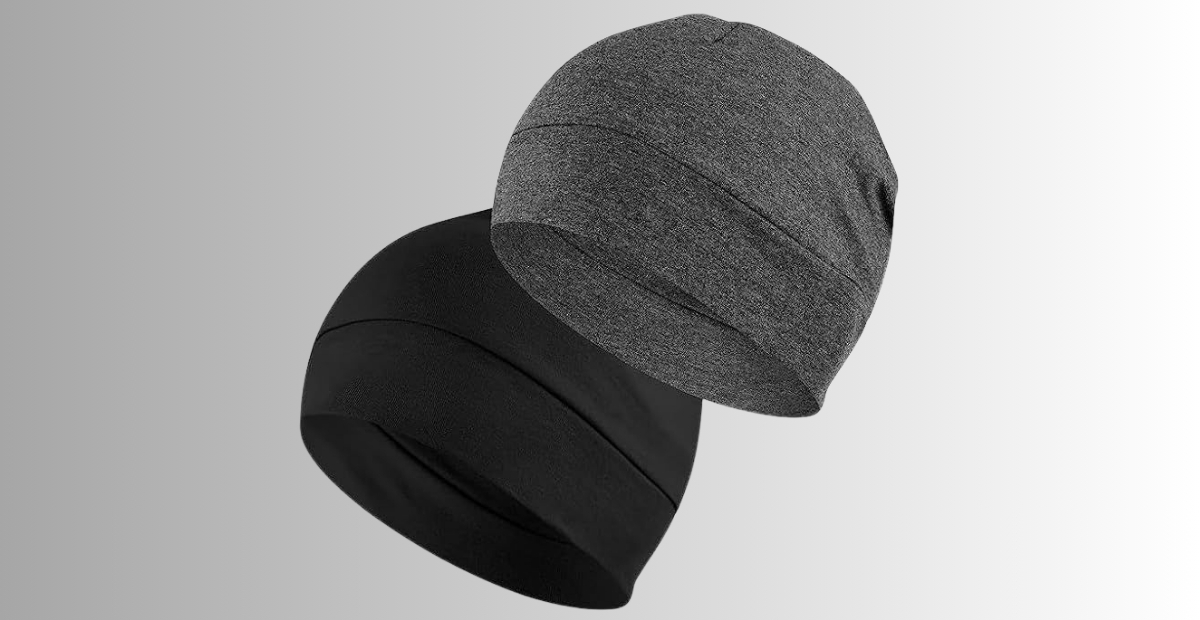
Helmet liner beanies fit comfortably under helmets and support a wide range of activities. They feature a streamlined shape and a smooth interior that improves comfort and ensures a secure fit without compromising safety. Manufacturers use performance-focused materials to enhance comfort and functionality. Riders and active users benefit from better temperature control, reduced friction, and improved helmet hygiene. construction workers, and athletes need to understand that a beanie liner directly effects comfort, with a good one able to increase warmth and comfort for a long period of time. Designers focus on function rather than appearance, creating a low-profile shape that fits flush against the head. This design prevents added pressure and avoids uneven padding under a helmet. The fabric also allows heat to escape and stretches easily to ensure a secure, comfortable fit. These beanies are essential for everyday usage.
Table of contents
- What Is a Helmet Liner Beanie?
- Why Every Rider Needs a Helmet Liner Beanie
- Streamlined Design That Promotes a Secure Fit
- Added Warmth Without Added Bulk
- Keeping Warm and Insulated in Cold Weather
- Breathable Fabrics for Active Temperature
- Moisture-Wicking Properties To Keep You Comfortable
- Stretchable Materials for Comfortable Fit
- Preventing Helmet Pressure and Discomfort
- Helmet Liner Beanies for Motorcyclists
- Cycling Practicality of Helmet Liner Beanies
- Use for Construction and Industrial Helmets
- Simple Care and Odor Control
- Picking the Best Fabric for Your Helmet Liners
- Year Round Riding
- Flexible Fit and Unisex Style
- Versatility for Daily Use
- What to do in Order for your Helmet Liner Beanie to Stay Nice
- Safety and Hygiene Benefits Under Helmets
- Conclusion
- FAQs
What Is a Helmet Liner Beanie?
A helmet liner beanie is a close-fitting cap designed to sit comfortably under a helmet without affecting safety or snugness. Unlike traditional winter beanies, helmet liners avoid thick knits, folds, and bulky details that could alter how a helmet sits on the head. They use a smooth construction, thin materials, and a focus on functionality to achieve this. Many flat-knit styles use no-ruffle stitching or other similar techniques to eliminate pressure points on the scalp. Designed to sit under a helmet, these liner beanies typically envelop the ears to keep warm while maintaining a sleek look. They aim to provide a second-skin sensation to achieve extra comfort while keeping all the safety features of the helmet intact.
Why Every Rider Needs a Helmet Liner Beanie
Most riders experience discomfort caused by temperature regulation. When riding, heat and sweat can build up in a helmet and create pressure. Adjusting the helmet can relieve the pressure temporarily, but can create more irritation from the sweat and friction. Helmet liners help mitigate the helmet and head sweat by providing a buffer layer. This improves comfort. For everyday riders, these beanies help deal with the hygiene issue of not being able to wash a helmet often. Sweat can accumulate in the helmet’s padding, but the beanie liner absorbs the moisture and oil, significantly extending the lifespan of the helmet. This small addition to your gear will improve the experience by prolonging the life of your head gear.
Streamlined Design That Promotes a Secure Fit
The most notable feature of a beanie helmet liner is its streamlined design. Thickness really matters when it comes to how a helmet fits and the safety of the wearer. The helmet liner provides comfort and warmth while keeping the helmet’s inner space unchanged. The beanie fits closely to the head, allowing the helmet to lock securely in place. The beanie’s thinness comes from the use of modern warming fabrics and high end knitting construction. Instead of using thick warm materials, helmet liner beanies use fabrics that trap warmth, while remaining thin. This efficiency allows riders to wear a beanie while keeping the helmet securely locked in place.
Added Warmth Without Added Bulk
The beanie helmet liner uses warm fabrics that provide warmth without the bulk, allowing comfort. Offering comfort while wearing a helmet, is extremely important for people who choose to wear it for multiple hours at a time. The helmet liner beanie combats head and neck fatigue caused by heavy fabrics and helmet pressure. During long rides or work shifts, heavy materials increase strain and discomfort on the head and neck. This beanie delivers a barely-there feel that enhances comfort throughout extended wear. This design allows the opposition of sinking into head and neck fatigue, while maintaining the focus to keep the liner.
Keeping Warm and Insulated in Cold Weather
When riding in cold weather, challenges arise that can be resolved with helmet liner beanies. The unprotected parts of the head, especially the forehead, lose a lot of heat in a short period of time due to wind chill at higher speeds. These helmet liner beanies act as a thermal insulator that keeps body heat and the cold air away from skin. Despite the low thickness of the beanies, with the right materials, it can be able to trap and heat a lot of air. Some designs use insulating materials that focus on the ears and forehead, as those are the most affected by cold. The additional cold weather protection improves comfort without added overheating.
Breathable Fabrics for Active Temperature
Comfort is needed to be able to focus on the task at hand and clears out distracting thoughts when riding. Too much heat trapped underneath the helmet without the right type of beanie can lead to a lot of discomfort that got to build moisture and create a large distraction. Keeping layers of trapped warmth underneath a beanie be with the right liner flexible enough to offer warmth when needed. This is especially important on short rides in cold weather. Wearing a beanie with the right balance of layers during active moments helps retain trapped heat.
Moisture-Wicking Properties To Keep You Comfortable
The beanie liner’s ability to manage sweat is equally important as its ability to manage moisture. Moisture-wicking fabric pulls sweat away from your skin and onto the beanie where it can evaporate. The scalp stays dry, and discomfort caused by sweat evaporating is alleviated. The ability to keep skin dry is important when you helmet because it keeps you focused and comfortable. Equipment padding that absorbs moisture is less efficient and builds odor quickly.
Stretchable Materials for Comfortable Fit
Comfortable fit on the helmet liner beanie is invaluable because it is the liner’s primary function. It stays in place, and does not slip, and bunching. Rubber-like, flexible materials allow the beanie to fit closely to almost every head-shape without the beanie feeling tight. Liners actively maintain their adaptability, keeping your helmet securely in place and ensuring a stable fit during the roughest rides or the most physically demanding activities. You can forget the beanie’s liner, and focus on the activities for your helmet. The fit will keep the liner in place.
Preventing Helmet Pressure and Discomfort
When using a helmet for prolonged periods, pressure points, especially around the forehead and temples, are a common occurrence. Helmet liner beanies assist in reducing discomfort by distributing pressure more evenly across the scalp. The liner beanies use soft fabric that works seamlessly with helmet padding and does not add extra pressure. They can make a significant and noticeable difference in beanie with patch comfort and endurance. Because of the pressure relieving qualities of liner beanies, they are helpful for people who wear helmets for hours at a time. Because prolonged use of a helmet causes discomfort, many patrons can use their beanies for longer and more comfortable.
Helmet Liner Beanies for Motorcyclists
Due to prolonged exposure to wind and changing temperatures, motorcyclists especially benefit from liner beanies. Liner beanies ease the discomfort by blocking cold air, absorbing excess moisture, and improving the helmet’s cleanliness. All types of motorcyclists, from today’s commuters to longer-distance riders, rely on beanies to stay focused and keep their mind on the road. Liner beanies made for motorcycle helmets primarily focus on moisture retention combined with wind resistance. They are perfect for any time of year.
Cycling Practicality of Helmet Liner Beanies
When biking through chilly weather, cyclists face specific challenges. Liner beanies help retain warmth when worn beneath cycling helmets. They also help cyclists stay comfortable as body temperature rises. The beanies absorb sweat and prevent it from dripping into the eyes, improving visibility and focus while riding. The beanies are also lightweight, making them ideal for all levels of cyclists, from the leisurely to the serious.
Use for Construction and Industrial Helmets
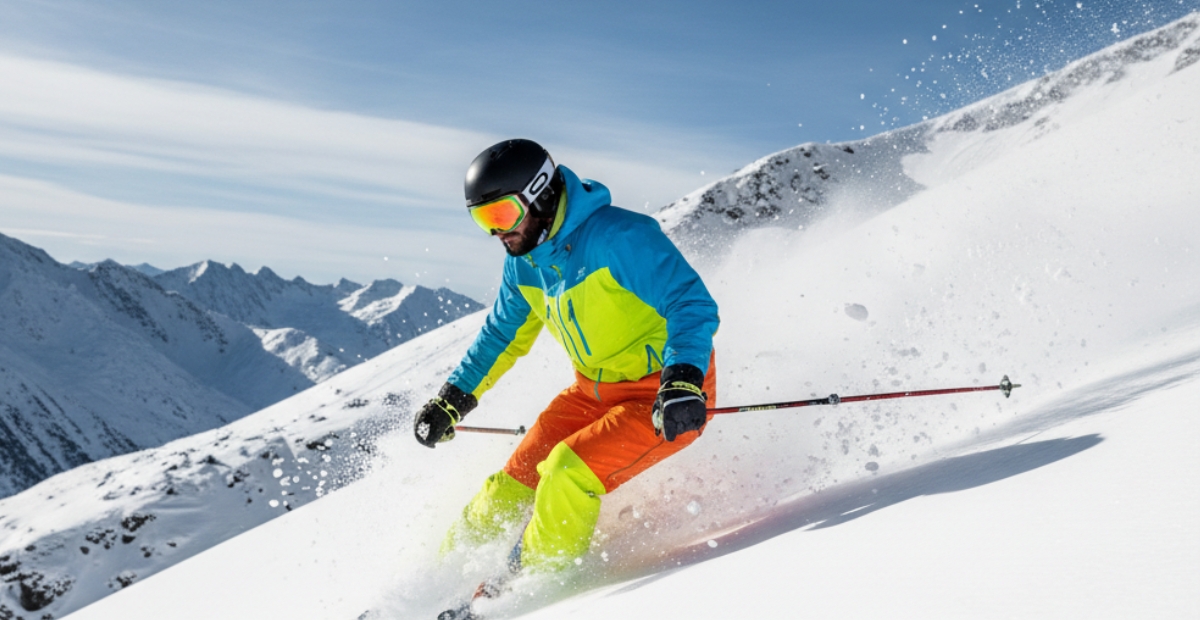
Construction and industrial workers wear helmets for long shifts to stay safe on the job. Helmet liner beanies improve comfort and hygiene for construction and industrial workers during extended wear. They absorb perspiration, reduce the number of itchy feelings, and help adjust and balance temperatures when in hot or cold conditions. The beanies also help to keep the helmets clean when shared helmets are used. The materials uncuffed beanie in the beanies are easy to wash. This improves the hygiene and comfort of the workplace.Beanies as Winter Sports Helmet Liners Sports beanies help wintry sports fans keep their heads warm while still being able to do their helmets up. Skiing, snowboarding, and ice skating are all chilly activities. Head warmers that are able to fit under sporting helmets are essential. Winter sport helmet liners retain heat and manage moisture effectively, keeping your head warm without causing overheating during intense physical activity.
Simple Care and Odor Control
Beanies with helmet liners act as great winter sport beanies help fans cuffed beanie odors. Many liners use specially treated inner fabrics that actively slow the growth of odor-causing bacteria and other germs. Easy-care materials help keep liners fresh while reducing unpleasant odors. Manufacturers design these liners to wash easily and dry quickly, making regular cleaning simple and convenient. To keep the liners in good condition, and your helmet, it is best to wash them as often as possible.
Picking the Best Fabric for Your Helmet Liners
The performance of helmet liner beanie is heavily influenced by what materials are used. Common materials used are polyester blends, spandex fabrics, and merino wool. Each material differs in its warming, breathing, and moisture control properties. Fabric selection depends on its several intended use and its external climate. Riders in colder areas might need more thermal materials versus riders in warmer areas that may need more breathability and lighter materials.
Year Round Riding
When beanies are made with a careful balance of performance materials, they let you be versatile all year round. In the summertime, the lightweight materials work great, and in the winter, the thermals add insulation. Utility is why some riders have several liners. With the right beanie, riders don’t have to change their helmets fleece beanie their comfort and protection.
Flexible Fit and Unisex Style
Most of the beanies that fit inside of a helmet are made for all genders and sizes. They use some really flexible material that can fit a lightweight beanies of different head sizes. Plus, they come in a lot of different colors and styles, so they can fit a lot of people’s custom needs. They design all these features so that if people are using the beanies with the liners together, they can all have the same performance while individually having different preferences and needs.
Versatility for Daily Use
These beanies that can go under helmets have some of the most important features other beanies have. However, they also all have the ability to go with a lot of everyday outfits with their nice and simple colors. They usable for a bike ride, and then for some errands afterward. A lot of people knit beanies to use some of the more neutral colors simply because they can go with any other colors.
What to do in Order for your Helmet Liner Beanie to Stay Nice
Unlike standard beanies and helmets, these liners require specific care to preserve their materials and maintain performance over time. These include washing the beanie to get rid of oils and salts. There are some specific instructions that come with the beanie that can preserve all of the materials for the length of the beanie’s lifetime. Using a low temperature while washing also preserves the materials. Using a small amount of effort, your helmet liner beanie can stay in a comfortable and effective condition for a long time.
Safety and Hygiene Benefits Under Helmets
While being beanies, helmet liners help keep your helmet clean. They help in keeping your helmet dry, which avoids being distracted and increases your focus. Being dry and clean avoids skin irritation and stops bacteria from growing which is super important when helmets are being worn everyday.
Conclusion
Helmet liners beanies are a great addition for any helmet. They are super thin and lightweight, which helps keep your helmet feel the same, while making sure the your helmet beanie is nice and clean. In any activity helmets will be needed and are liners will give a great experience to the user. Walks, rides and sports will all be activities where the beanies are essential for improving experience. Temperature will be better and discomfort will be decreased. The beanies will improve every ride considerably. read more different type of beanie
FAQs
A helmet liner beanie is worn under a helmet to improve comfort, manage sweat, add warmth, and reduce friction during use.
No, helmet liner beanies are designed to be thin and lightweight, ensuring they do not interfere with proper helmet fit or safety.
Yes, breathable and moisture-wicking helmet liner beanies help regulate temperature and keep the head dry in warm conditions.