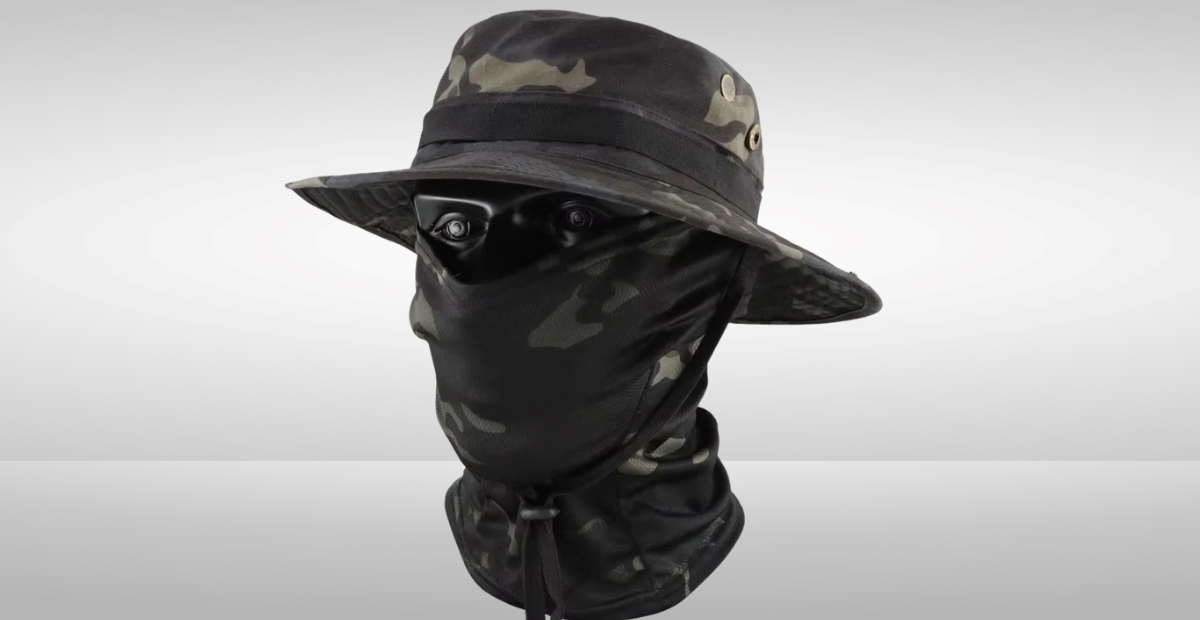
A balaclava is not just a piece of winter gear; it is protection, comfort, and contemporary style all in one. This multifunctional headcover occupies a unique niche in fashion. From frigid mountain trails to urban settings, it offers warmth and a sense of chic sophistication to any ensemble. Whether worn by soldiers, skiers, or motorcyclists, the balaclava continues to adapt to the needs of the times. What are the story, the applications, and the making of the balaclava? These are questions worth answering.
Table of contents
History of the Balaclava Hat
The balaclava hat has its origins in the winter of the 1850s Crimean War. When British soldiers were fighting in near freezing conditions around Balaclava, as a scarf women used knitting as a way to help keep them warm by making pieces of woollen attire that wrapped around the face and neck. The soldiers headgear became known as the balaclava.
Over the years, the hiding and posing as a different person became the mask’s primary utility, and balaclavas hoodie became a common attire for criminals. However, practical uses for insulated balaclavas dose military were focused on by mountaineers, polar explorers, and skiers for protection against wind and extreme weather conditions. By the 20th century, the military uniforms, outdoor sportswear, uniforms and protective headgear for the outer garments used in sports also incorporated balaclavas. and sport headwear also incorporated balaclavas. Now, utility is not the only purpose of modern balaclavas.
What Is A Balaclava Hat
By modern definition, a balaclava hat is a head covering that fits on the head closely, covering the entire neck and head while leaving the face (usually the eyes, nose, and mouth) partially exposed. It serves as a mask, hat, and scarf all in one piece.By changing the way you wear it, you can use it as a full-face covering or partially expose your face.
The balaclava hat is made with warm and flexible materials like wool, cotton, and fleece, or synthetic fibers which provides great insulation against wind and cold. Modern versions include moisture-wicking fabrics to keep wearers active and dry. The design of the balaclava hat makes it great for varied conditions; from brutally cold winters to high-speed sports.
The Adaptability of the Balaclava Hat
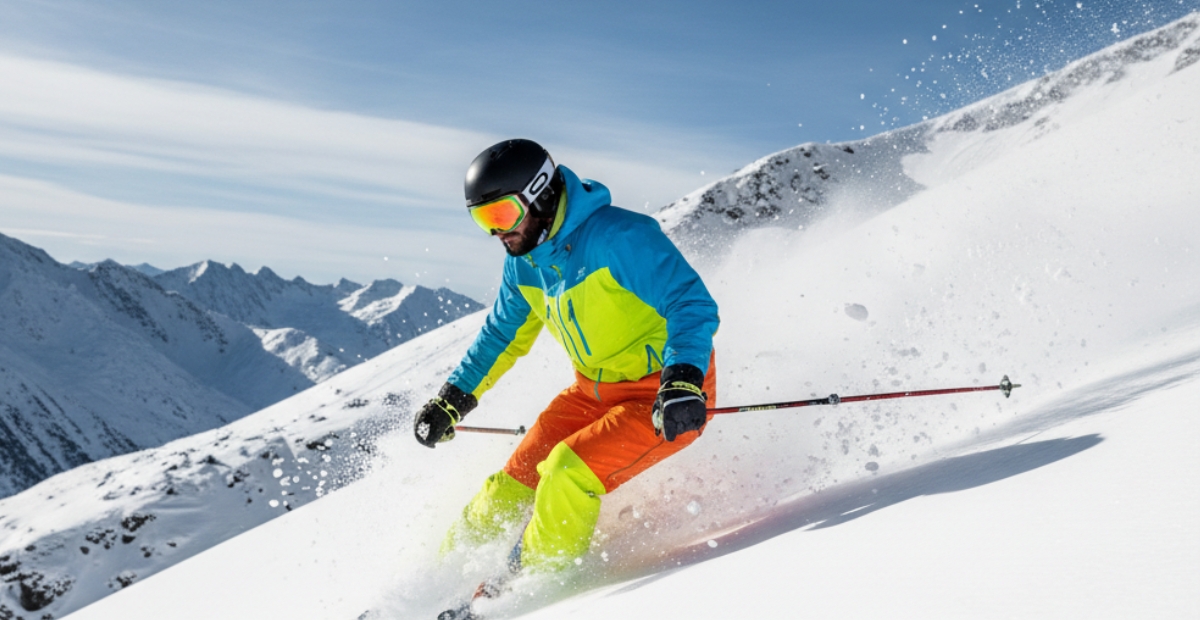
The balaclava hat is incredibly adaptable, which makes it useful in many environments. In winter sports, such as skiing and snowboarding, it provides essential protection against frostbite and icy winds. Cyclists and motorcyclists wear it under helmets to add comfort and prevent heat loss.
In the military and law enforcement, balaclava hats are used for both protection and anonymity during tactical operations. Outdoor employees in construction, fishing, and delivery also use it to keep conceal in cold climates.
In the contemporary era, the balaclava hat has entered the world of high fashion. Designers have played with bold hues and soft, cozy materials to fashion balaclavas crochet from simple cold wear to stylish winter garments. The balaclava hat integration in streetwear lines and high-end brands, showcases the perfect blend of bold style and functionality.
Making Process of a Balaclava Hat
Although people historically made the balaclava hat from wool for its warmth and flexibility, today manufacturers use many different materials. Each material can provide different combinations of insulation and breathability.
The making of a Balaclava Hat starts with a tube of fabric that stretches enough to fit snugly around a head. For everyday use, wool and acrylic fabric blends are common, and for athletic or tactical usage, polyester and spandex blends are more suited.
After forming the base of the tube, the openings for the eyes, mouth, or full face are created. For a more comfortable wearing experience, the openings are bound, and the edges reinforced to prevent fraying. Moving mesh, fleece linings, and adjustable seams to change the fit are common features.
After the construction of a Balaclava Hat is complete, it is dyed and softened to improve the look and feel, then inspected to ensure quality and durability. Finally, the Balaclava Hat is complete and ready for use.
Different Styles of Balaclava Hats
Balaclava hats serve many purposes, so people style them in different ways. A full-face balaclava covers the entire head and face, leaving just the eyes visible.It’s used in extremely cold conditions or for tactical purposes. The open-face balaclava, which covers less of the head and is more popular for skiing and running, is the opposite.
In addition, there are designs that can be converted to serve multiple purposes, like neck gaiters, beanies, or scarves. For fashionable balaclavas knit the materials are softer and more contemporary, with brighter colors and imaginative cutouts. Regardless of the design, all balaclavas still serve the same function.
Materials Used in Balaclava Hats
The materials used to make a balaclava hat determine its performance and comfort. For example, natural wool insulates and breathes, which helps in extremely cold conditions. Fleece also offers the advantage of wicking moisture and drying quickly, making it ideal for constructing balaclavas as a scarf. Athletes and adventurers prefer lightweight, durable, and quick-drying synthetic materials such as polyester and nylon.
Eco-friendly attire uses recycled materials or organic cotton, and uses designs which are multi-functional, providing a windproof and inner thermal layer for versatility in harsh conditions.
The Balaclava Hats and Fashion
Initially, the balaclava hat served a functional purpose, but hat has now transitioned into a fashion statement. Lux designers Balenciaga, Gucci, and Marine Serre have incorporated the hat into high fashion, showcasing it in streetwear collections and runway shows.Pairing these hats with oversized coats, sleek jackets, or minimalistic attire creates dramatic winter looks.
Street style for cold weather has also been dominated by celebrities and influencers wearing the balaclava hat. The combination of mystery and style the hat provides is unparalleled in the fashion industry, allowing the user to make a bold statement.
Balaclava Hats and Maintenance
A balaclava hat requires the right maintenance to keep it functional and looking good. You should hand wash most knitted or wool balaclava hats in cold water using a gentle detergent. The synthetic or athletic balaclava hats are generally safe for a gentle machine wash. Always air dry to prevent shrinkage and damage to the fabric.
Avoid harsh chemicals or bleach. These will weaken fibers and change the color. With proper care, however, a quality balaclava hat will hold its shape and comfort for many seasons
Why Choose a Balaclava Hat
The balaclava hat is versatile. The keeps you warm during cold weather, shields your skin from the wind and sun, and can be styled in multiple ways. It is a simple accessory that offers dependable comfort and cover, whether you’re commuting, skiing, or being outdoors.
It is lightweight, easy to carry around, and its fit accommodates both men and women. The balaclava hat keeps proving its value and multifunctional quality as more people adopt versatile fashion.
Conclusion
From a wartime necessity to a fashion global staple, the balaclava hat is a versatile, timeless piece of headwear. It offers warmth and adaptability and, whether made from wool or other advanced materials, meets style.
From Crimea’s frostbitten battlefields to the modern-day city streets and ski resorts, the balaclava hat remains a faithful companion for all seasons. It is not mere headgear; it is a piece of comfort, a fashion statement, and a unique identity that continually adapts with the times.
FAQs
A balaclava hat is used for warmth, face protection, and comfort in cold or windy conditions. It’s popular among athletes, soldiers, and outdoor workers.
Wool, fleece, polyester, and cotton blends are ideal. They offer insulation, breathability, and comfort for different needs.
Yes. It can be worn casually during winter walks, commutes, or even as a trendy fashion accessory.