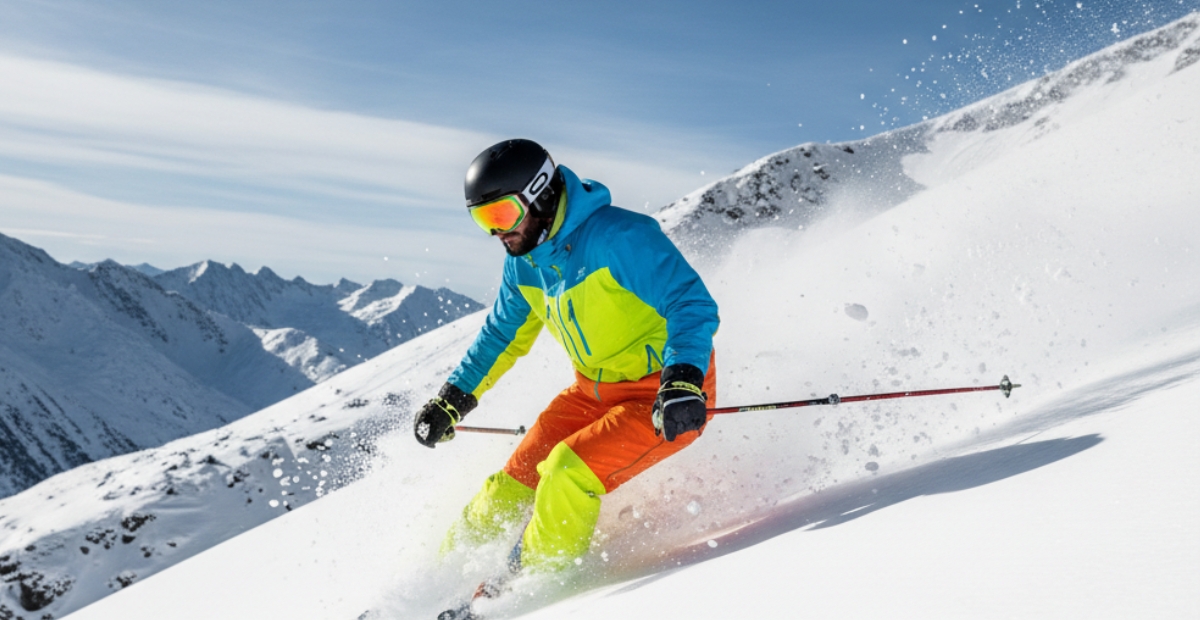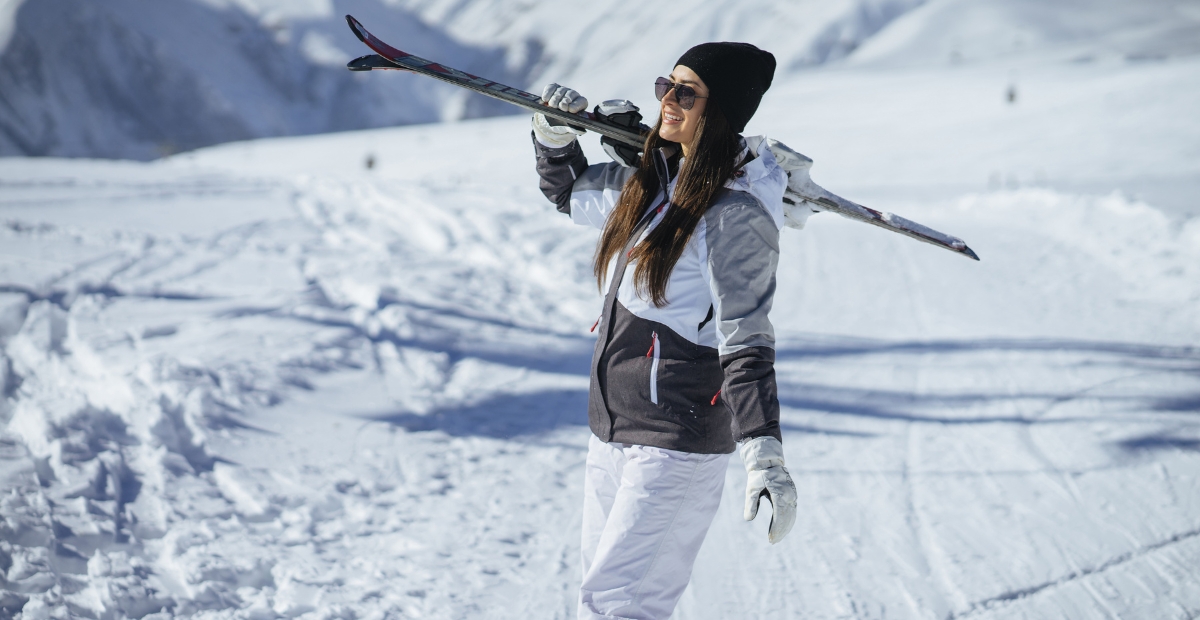

The excitement that comes from winter sports such as snowboarding and skiing is unparalleled, as is the challenging conditions that come along with the pursuit of the correct winter sports apparel. In addition to the snow and the freezing temperatures, the wind can bring about skin biting scrapes that the right apparel an help to avoid. On top of the skin protection from the elements, the right apparel can keep the skier warm and dry while also helping to maintain an optimal body temperature. Additionally, moisture wicking, and unrestricted movement, allows for the skiers body to perform to it’s full potential and push to make that turn, jump, or do an entire run. With plenty of options available to casual skiers, looking for an enjoyable winter athletiscm experience, to professionals skiing the most difficult snowpack, choosing the right winter sports apparel is needed.
Table of contents
- Why Choosing the Right Ski Wear Matters
- The Most Optimal Base Layer Materials
- Mid Layers: Insulation for Cold Mountain Conditions
- Outer Layers: Waterproof and Windproof Protection
- Ski Jackets: Features That Combine Warmth and Style
- Ski pants: Fit, Comfort, and Durability
- Important Accessories: Scarves, Hats, and Gloves
- Best Stores to Buy Ski Wear in Leeds
- Tips for Layering Depending on Weather Conditions
- Affordable vs Premium Ski Wear Options
- Conclusion
- FAQs
Why Choosing the Right Ski Wear Matters
Some people may believe choosing the appropriate clothing for skiing is simply an issue of style. In reality, choosing the appropriate clothing for the slopes is essential for safety and performance because the wrong clothing choices increase exposure to dangerous conditions and increase the likelihood of injury or an uncomfortable skiing. Clothing made of the wrong materials may fail to adequately insulate the skier or may trap moisture increasing the risk of the skier suffering from hypothermia or frostbite. On the other hand, poorly insulated clothing, or clothing made from materials that do not breathe, run the risk of trapping total body moisture which results in increasing the risk of suffering from chafing.
The Most Optimal Base Layer Materials
Base layers are the first thing you put on your body whenever you go skiing. They are the most important part of the ski outfit because they trap and control how much sweat and heat are retained your body. These layers have the most contact with the skin, while also trapping body heat and controlling moisture. Therefore, they choose the most optimal base-layer materials so they can also moisture-wick. Merino wool is the most popular one, as it is natural, and is soft, but also has the properties to regulate heat, and also wick moisture. The good thing about merino wool, is that it isn’t as coarse as the traditional wool so it can be worn for extended hours without irritating the skin. Other base-layer materials are synthetic, polyester, and nylon.
Mid Layers: Insulation for Cold Mountain Conditions
The mid layer acts as primary insulation because it traps body heat to keep you warm while offering just enough room for movement and breathability. Different types of mid layer materials offer their own unique insulation and weight options. An example of a mid layer material is fleece which is a lightweight fabric that offers warmth and moisture resistant breathability. In moderately cold conditions it is breathable and provides consistent insulation. Another mid layer favorite is down insulation which offers the added value of warmth to weight ratios because it compresses easily for storage and traps heat efficiently. Down insulation does lose insulation when wet thought so it is suggested that a waterproof outer layer is packed. The outer layer is made from polyester fibers which is a synthetic insulation.
Outer Layers: Waterproof and Windproof Protection
The outer layer protects from severe weather including wind, snow, and rain. The outer layer’s main focus is to keep moisture out but is able to let heat and sweat out. Technology has improved Fabrics such as, Gore-Tex, Dermizax, and others that provide waterproof, windproof and still allows breathability. Waterproofing snow from seeping into the mid and base layers, and windproofing protects the body from chilling winds especially from higher altitudes and fast descents.“Breathable fabrics prevent condensation, helping you maintain a perfectly comfortable interior climate. Key features include adjustable hoods, reinforced seams and panels, and zipper vents. Premium outer layers include powder skirts, snow cuffs and pockets for valuables, Ski Wear London passes and other personal belongings. The outer layer, mid and base layers work together to help adapt to tough weather and different levels of activities.
Ski Jackets: Features That Combine Warmth and Style
The design of ski jackets goes beyond warmth, as construction looks to encompass many attributes of a ski jacket. With the development of newer ski jackets, there are a variety of functional designs that allow for personal style choices. With the insulation jackets, they use synthetic down fill that maintains core temperature. Many jackets have removable liners or have adjustable insulation levels. With the design of the jackets, they have waterproof, windproof, and warm materials so that a person will be dry in snow, rain, and sleet. Designers add functional and stylish elements to ski jackets, including high-colored hoods that protect the head and neck. They make these hoods adjustable so wearers can open a zipper to increase airflow and cool down when they get hot. Many ski jackets feature snow skirts, reinforced shoulders, and durable zippers.
Ski pants: Fit, Comfort, and Durability
Ski pants are as equally important as jackets as they provide insulation, protection from the elements, and a full range of motion. The pants have to be the right size so they don’t restrict bending, twisting, and other gross motor movements. “Manufacturers build pants like jackets, combining waterproof, windproof, and breathable layers to keep skiers dry and comfortable. They reinforce the knees, seat, and cuffs to prevent wear and tear from falls and ski wear london shop on rough terrain. A few features help keep the pants comfortable. Adjustable waist bands and suspenders are great for fit along with articulated knees. Gaiters on the snow cuffs prevent snow from getting into the boots. Insulated pants are great for extreme conditions, but shell pants with separate mid layers are great for changing conditions.
Important Accessories: Scarves, Hats, and Gloves
“While many people may view accessories as merely stylistic, they play an essential role in keeping you warm and comfortable on a ski trip. Insulated gloves and mittens protect against frostbite while allowing dexterity and grip in tasks that involve zippers and poles. “For maximum warmth, choose gloves made from waterproof and breathable fabrics, and opt for mittens in extremely cold conditions. A beanie, hat, or helmet liner insulates and protects the head, while a scarf or neck gaiter blocks wind. Socks, goggles, and wrist guards are other accessories that improve comfort and safety. Accessories that use quality materials ensure that all parts of the body are balaclava or ski masks from moisture and cold. This allows the skier to fully enjoy the activity without the risk of injury or discomfort.
Best Stores to Buy Ski Wear in Leeds
Ski enthusiasts, ranging from casual to avid winter sport participants, enjoy Leeds’ specialty ski shops for their expert fitting and advice on ski wear like pants, jackets, and gear from top brands. Leeds’ department stores and outdoor retailers also offer ski wear in varying price ranges and styles, as do many of Leeds’ local boutique shops that carry more upscale labels that offer fabrics and ski wear technologies that you may not find on the internet. Ski wear is very personal and requires individual assessment of fit, comfort, and mobility, and many of Leeds’ stores offer seasonal ski wear sales that help to make ski wear more accessible.
Tips for Layering Depending on Weather Conditions
One of the necessary skills for dealing with skiing weather is how to layer. The principle is to wear several thinner layers for managing temperature, moisture, and ventilation instead of one thick garment. The base layers deal with sweat, middle layers trap heat, and outer ones shield from the elements. When the weather is really cold, ski masks can add one or two more middle layers, but when it’s milder, they can prevent overheating with lightweight or breathable layers. Each garment has zippers and vents that give the wearer the ability to manage their temperature, which is important for the steep parts and fast sections.
Affordable vs Premium Ski Wear Options
Because of the range of options for both affordable and premium ski wear, it often comes down to how often the skier will be using the ski wear, the environmental conditions, and skier preference. For occasional skiers, or those on a budget, affordable options offer a functional protective layer and basic insulation. Premium and affordable ski wear look quite different. When compared, affordable ski garments use simpler materials, less to no waterproofing, breathability technologies, and have less insulation. Premium ski garments use waterproof, breathable, high insulation materials.
Conclusion
To conclude, there are many elements that go into selecting the right ski wear, including material, layering, design, and cost, among other things. Every part of the ski outfit ecosystem, including accessory kits and base layers, plays a role in aiding comfort, and protection, and in increasing the range of movement that skiers have while avoiding some of the harshest elements. When skiers invest in a high standard of ski fit gear, they improve their skiing experience and reduce the chance of injuries as a result of the cold. They will be able to focus their attention on the joy of skiing, or on their level of performance, rather than on the discomfort of poorly fitting ski wear.
FAQs
Proper ski wear keeps you warm, dry, and comfortable, protects against wind and snow, and allows freedom of movement on the slopes.
Merino wool and synthetic blends are ideal, as they wick moisture, retain warmth, and stay comfortable against the skin.
Start with a moisture-wicking base layer, add an insulating mid layer, and finish with a waterproof, windproof outer layer.