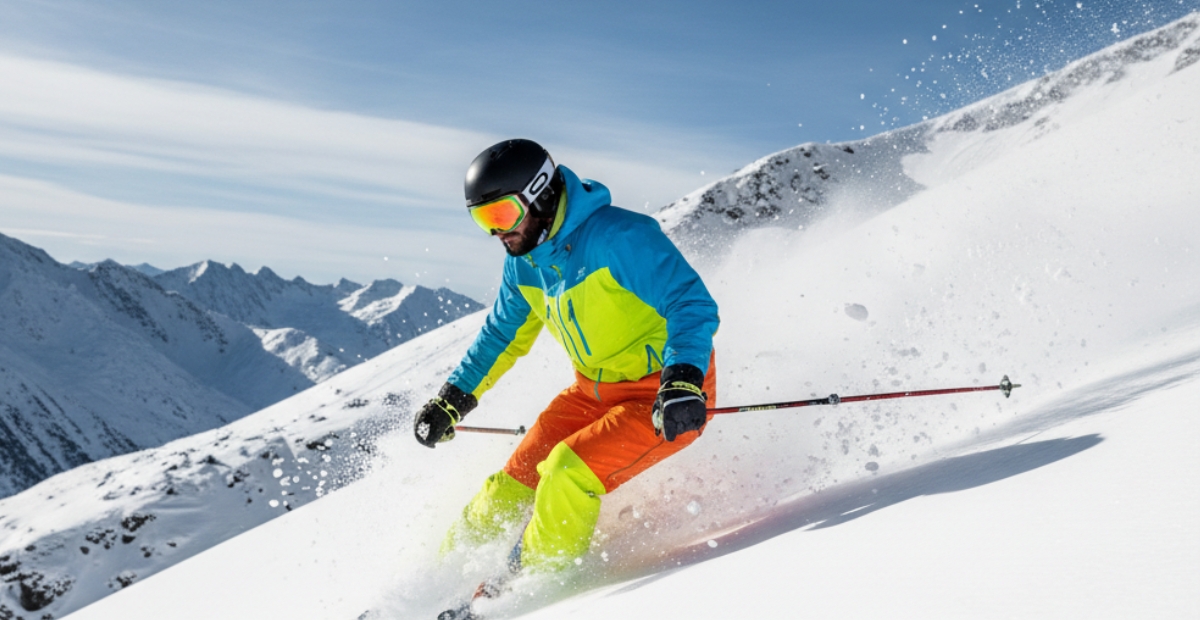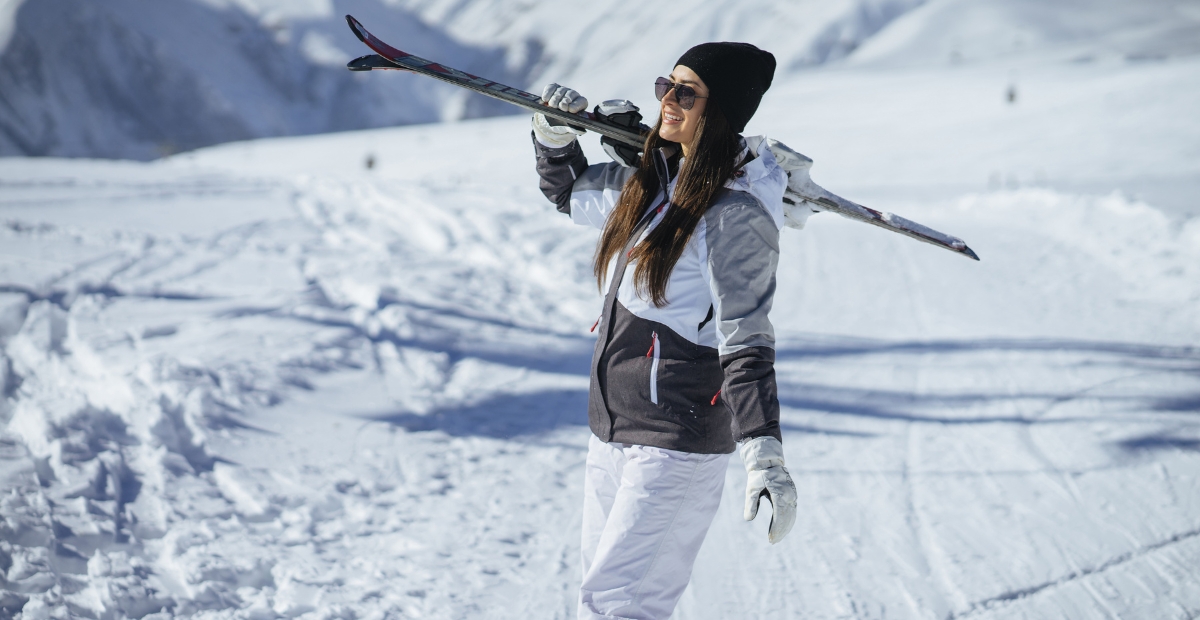

Skiing in Japan is a unique opportunity for skiing lovers. With legendary powder snow, breathtaking mountain scenery, and world class ski resorts in areas such as Hokkaido, Nagano, and Niigata, there is no comparison. The weather is Japan is highly unpredictable. Even top-level skiiers can become cold and uncomfortable due to their weather. Proper ski wear is essential for getting the most out of the slopes. Ski wear can become a top level fashion statement while also keeping the wearer of the ski wear dry, warm, and mobile. Ski resorts in Japan also focus on the style and functional aspects of ski wear, meaning skiiers can express themselves through their fashion. The snow in Japan is some of the best in the world, so it is important to select the best clothing to enhance the skiing experience.
Table of contents
- Why Choosing the Right Ski Wear Matters in Japan
- Ski Wear Insulation for Japan’s Cold Slopes
- Use of Waterproof and Windproof Fabrics in Extreme Conditions
- Breathable Fabrics for Skiing Comfort
- Lightweight Ski Jackets That Insulate Well
- Adjustable Fits and Functional Features
- Well-Known Ski Wear Brands from Japan
- The Benefits of Layering While Skiing in Japan
- How to Care for your Ski Wear to Last for Years
- Conclusion
- FAQs
Why Choosing the Right Ski Wear Matters in Japan
While skiing in Japan, the importance of choosing the right ski wear is paramount. Japan is known for its powder snow, which is the case for the Hokkaido and Nagano regions. These areas, however, can dip into negative temperatures during the dead of winter. If you don’t wear the proper equipment, you could jeopardize your whole trip and turn what could be an enjoyable Kids’ Ski Wear trip into a freezing, uncomfortable, dangerous experience. Ski wear keeps you warm and keeps you protected from the cold and extreme weather while also aiding you in moving easily to perform your best skiing. The right ski wear is also essential because of the balance of your body. It helps you avoid the risks of hypothermia and frostbite while you enjoy longer skiing shifts.
Ski Wear Insulation for Japan’s Cold Slopes
In Japan’s cold and snowy regions, insulation is key to effective ski wear. Ski jackets and pant insulation comes in different options, and different conditions can impact the pros of these insulations. For example, Japan can have heavy snowfalls and wet snow that can soak outer ski wear, so the synthetic insulation, like polyester, insulations that are lightweight, warm when wet, and dry quickly, would be the best choice. Conversely, for multi-day trips in extremely cold conditions, the down insulation would be preferable because it has an great warmth-to-weight ratio, and is easily compressible, making it efficient to pack. There are also many modern ski jackets that feature hybrid insulation. These are great because they use down and synthetic insulations to help avoid excess bulk while providing the best moisture management and boost warmth to the user.
Use of Waterproof and Windproof Fabrics in Extreme Conditions
Japan skiing demands layers that deal with heavy snow falls, ice, negative temperatures, and rain or sleet. So, waterproof and windproof Fabric layers/wears are essential. For ski jackets and pants, there is a waterproof rating given in mm, which indicates the leaking level of the fabric under rain pressure. It is advisable to go skiing in 10,000 mm fabrics. For Niseko, you need a fully taped seam, which ensures that rain cannot seep in through stitching, even in high-exposure areas like the kneecaps, sleeves, and shoulders. It’s also important that the fabric is windproof. Fiery/Strong mountain winds can seep into fabrics and cool the body. So, a lot of ski jackets have windproof layers that do not limit movement. Laminated layers and windproof membranes are often utilized in ski jackets. Some ski jackets include the modern technology of breathability.
Breathable Fabrics for Skiing Comfort
“Novices often ignore skiing breathability, even though breathable materials help you stay comfortable and perform better on the slopes. One of the reasons active skiing is such a fantastic workout is the heat and moisture your body generates during the activity. Moisture tends to accumulate around the moving parts of your body like the chest, back, and underarms. If your gear isn’t breathable, the sweat will build up, making your clothing feel clammy and ultimately leading to a feeling of being colder when you stop. Many materials used in ski clothing can cause this issue. While advanced ski clothing uses special fabrics with varied venting and membranes that block snow, wind, and water, these fabrics also channel moisture away from the body. Some of the commonly used materials for this are Gore-Tex and other similar proprietary fabrics.
Lightweight Ski Jackets That Insulate Well
Ski wear has come a long way in recent years to offer the newest jackets and pants that provide the same warmth as previous hefty garments. The large jackets have mobility restricting qualities and can cause fatigue to set in quicker, especially during long days skiing. The new designs provide better insulation and are using new lightweight, high performance synthetic materials, or down blends that are help to maintain warmth. In Japan, the ski conditions can be powdery to dense and wet, which is where the new jackets truly shine. The versatility and weight give skiers the ability to layer as needed without being weighed down. Lightweight jackets often have design elements like outseamed, articulated construction that offer a greater degree of range and motion and enhanced freedom of movement. Ski Wear London or other bulky ski clothing.
Adjustable Fits and Functional Features
A great ski jacket needs to go beyond insulation and waterproofing, and needs to have great adjustment and functional features to enhance comfort and usability. “ski wear london shop often features adjustable hoods, cuffs, hems, and waistbands, allowing skiers to customize the fit for different body shapes and layering amounts.” This also helps trap body heat to keep the wearer warm as well as stop the entry of cold air. Features like helmet compatible hoods, powder skirts, and pass and goggle clips are functional features that add convenience and daily practicality. Adjustable features help skiers adapt and are especially useful in Japanese ski resorts due to their fluctuating terrain and weather.
Well-Known Ski Wear Brands from Japan
“Japan produces high-quality ski wear that combines technological innovation with style and functional design.”The ski wear from brands like Descente, Phenix, and Goldwin, show the careful detailing and advanced fabric technology used. Phenix is known for their lightweight and breathable fully waterproof insulations, perfect for powder skiing. Goldwin has a unique style and technical performance. In addition to performance, style is important for many skiers. Ski wear protects from the elements, and also shows individual style on the slopes and off. Ski pants, and jackets come in a variety of colors and styles. There are also a variety of Ski Wear Liverpool accessories including gloves, neck warmers, goggles, and beanies. Layering adds comfort and style, while also insulating skiers for the activity and weather.
The Benefits of Layering While Skiing in Japan
The ability to retain heat is one of the most important features of any good ski masks and it is certainly important when it comes to ski wear in Japan, as the weather can change extremely quickly. The solution is to use a system of layering, consisting of a base layer, a mid layer, and then an outer layer. Good base layers consist of materials that retain moisture and keep the body warm. The best materials are usually merino wool or other similar synthetic materials. For mid layers, more heat is trapped and more insulation is added. The best materials for mid layers are fleece, down, or other synthetics. Top outer layers must allow for breathability, but also protect from the elements of rain, barb, and snow.
How to Care for your Ski Wear to Last for Years
First step is to buy quality ski wears like pants, jackets, and accessories. Second step is to take care of them so they can last for many ski seasons. Ski wear is usually treated with some water resistant coating but these treatments wear off and ski wear get permanently damaged. While washing ski wear the correct detergent and washing instructions should be followed to restore water repellency and remove damaging oils and dirt. Harsh detergents, bleach, and fabric softeners should be avoided, as these can damage the protective membranes of your ski wear and, lower the breathability. Air drying is ideal, but you can use a low heat setting in the dryer. This prevents degradation and shrinkage. Check your ski wear at the start of the season for wear on the seams, zippers, and fasteners. I
Conclusion
Benefitting to the maximum while skiing on Japan’s world-renowned slopes requires the right choice of ski wear. Given a choice between the deep powder of Hokkaido and the alpine air of Nagano, the right ski wear will make every moment on the mountain comfortable. The perfect and balanced ski wear will allow skiers to stay warm without the overheating, stay dry while performing, and enjoy the snow. High quality ski wear will provide the right mix insulation, waterproofing, windproofing, and the right amount breathability. Leading Japanese ski wear brands enhance venting, compression, and insulation layering to convert the wear to a power muffin for changing ski conditions. The right choice of ski wear will transform winter skiing into an unforgettable Japan skiing experience.
FAQs
Proper ski wear keeps you warm, dry, and comfortable in Japan’s cold, snowy, and windy conditions, improving performance and safety.
Down, synthetic, or hybrid insulation provides warmth while remaining lightweight. Synthetic materials perform better in wet snow conditions.
Choose fabrics with waterproof membranes and ventilation options like pit zips to block snow and wind while letting sweat escape.