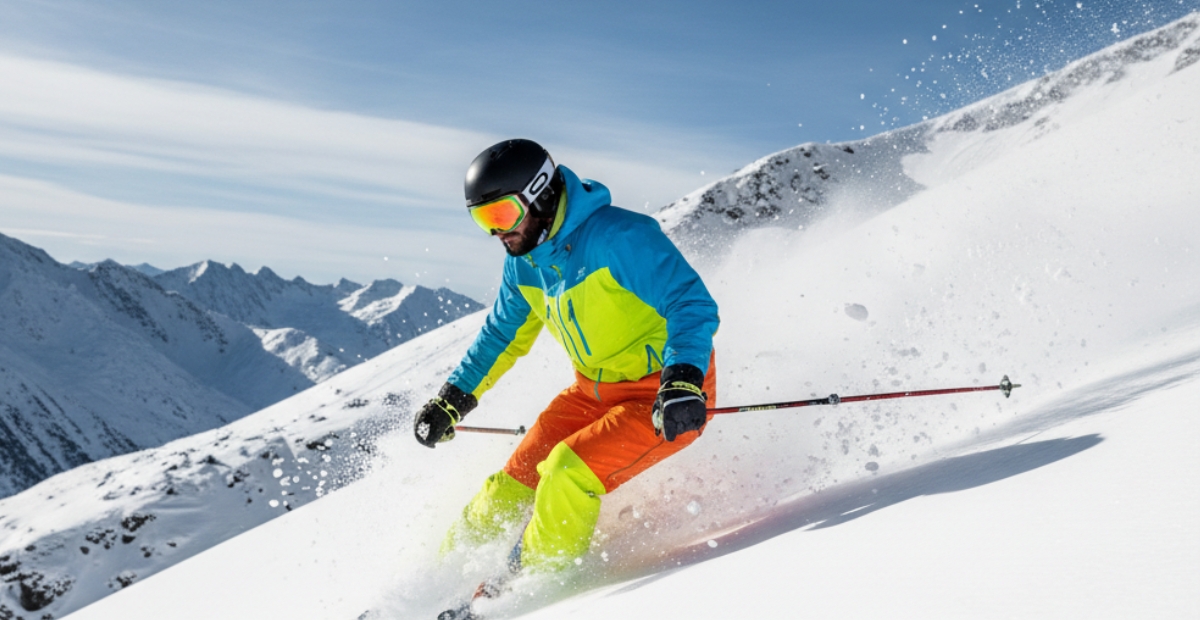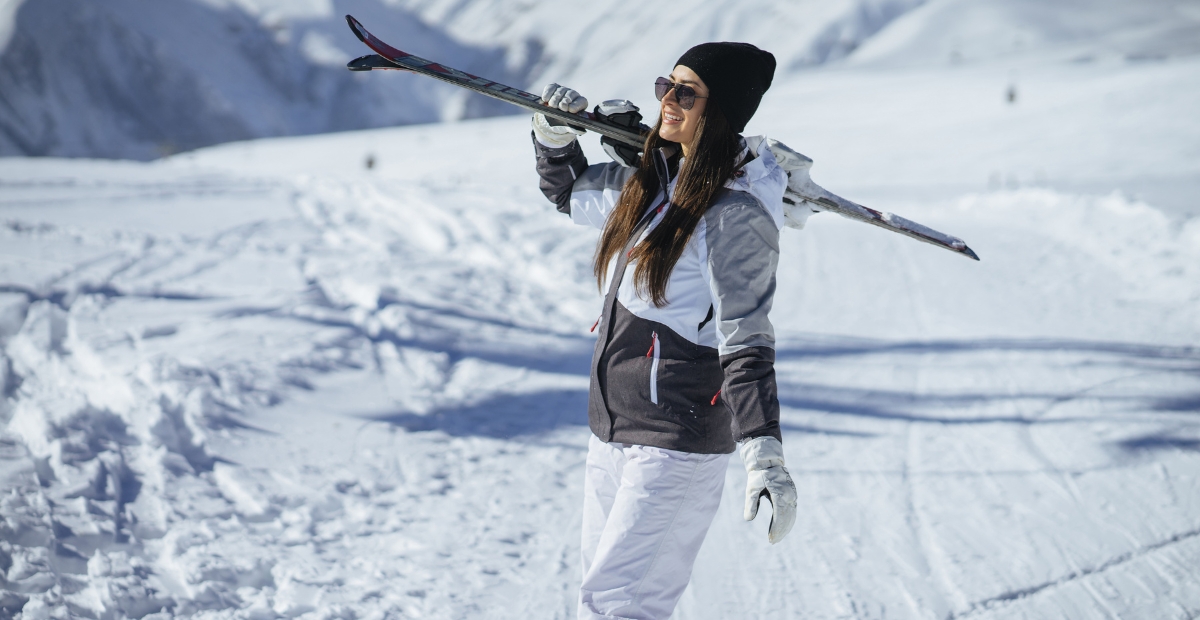
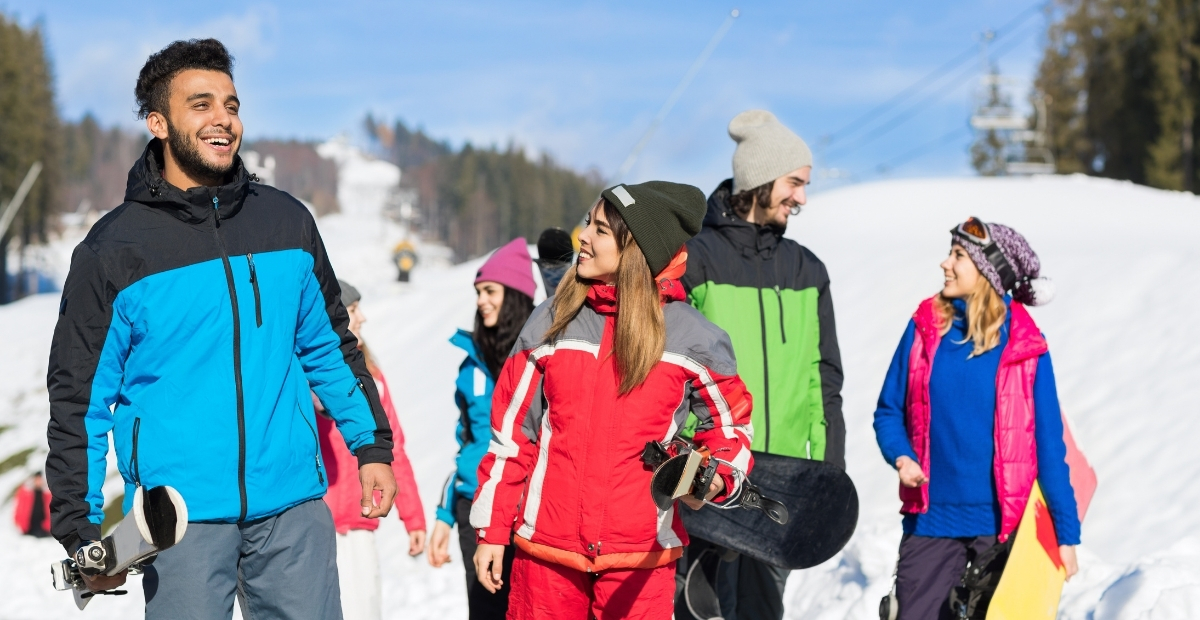
Winter activities require practical outerwear, but in addition to this, quality ski jackets are necessary for winter ski trips. Skiers experience extreme cold, high winds, heavy snow, and constant movement, so ski jackets have to provide and comfort and protection. A ski jacket has to keep the body warm and dry, but also has to enable unrestricted movement and adjust to the body’s temperature. Ski jackets have various modern features that provide insulation, waterproofing, protection, and breathability for challenging environments. The right ski jacket enhances the winter sports experience. Knowing the vital features of ski jackets simplifies the skiing experience.
Table of contents
- What Makes a Quality Ski Wear Jacket?
- Categories of Insulation and Their Performance in Cold Weather
- Protection from Water and Wind on the Ski Slopes
- Breathable Fabrics for Active Skiing
- Innovative ski wear technology jackets promote slim-fitting construction whilst ensuring warmth and protection.
- Adjustable Fits for Maximum Comfort
- Hood Designs for Snow and Wind Protection
- Seam Sealing
- Vents to Manage Body Heat
- Materials for a Longer Lifespan
- Movement Freedom While Skiing and Snowboarding
- Choices in Color for Utility and Style
- Adaptability of Layers for Changing Weather
- Pockets and Storage for On-Slope Essentials
- Choosing the Right Ski Wear Jacket for Your Needs
- Conclusion
- FAQs
What Makes a Quality Ski Wear Jacket?
A good quality ski wear jacket acts as a powerful tool against extreme winter conditions and provides essential protection for skiers, making it far more than a standard winter jacket. Designers create ski jackets to handle frigid temperatures, strong and abrasive winds, heavy snowfall, and constantly changing conditions, including varying levels of physical activity, while maintaining comfort and mobility. Unlike average winter coats, ski jackets balance insulation and waterproofing with high breathability, allowing them to support everyone from novice ski wear london shop to competitive, high-performance athletes. Ski jackets for skiing holds a number of various qualities, and the slopes present a perfect opportunity to test the quality of construction for how well the jacket keeps warmth in, moisture out, and if it allows for excess warmth during physical exertion to escape, among other factors.
Categories of Insulation and Their Performance in Cold Weather
Down insulation provides exceptional warmth-to-weight performance by trapping air, creating tremendous thermal retention without adding bulk. Ski jackets with down insulation are the best option for extremely cold and dry conditions. However, down insulation can lose its insulating ability when wet, which is why many modern ski jackets combine down with waterproof shells. On the contrary, synthetic insulation retains warmth even when exposed to moisture. Manufacturers create synthetic insulation from polyester fibers that dry quickly, making it a preferred choice for skiers who face wet conditions such as snow, rain, or snow–rain mixes. Although synthetic insulation is relatively heavier than down insulation, its reliability in most environments makes it the first choice for many skiers. Some ski jackets use mapped insulation.
Protection from Water and Wind on the Ski Slopes
Protection from water and wind is crucial while skiing, and aids the wearer in staying warm and comfortable. If the outerwear materials while skiing can lead to the loss of heat and the customer slipping into an uncomfortable state. An outerwear ski jacket employs state-of-the-art technology to combat water and wind using waterproof membranes and tightly woven fabrics to block the materials. The level of waterproofing is often measured in millimeters, which indicates the water pressure level a specific material can withstand without leaking. The majority of ski jackets contain a level of waterproofing ranging from 10,000 to 20,000 and above. However, ski jackets are not only rated for waterproofing, but windproof as well. Windproof jackets are crucial to have in high altitudes due to the wind chill that is an ever present danger.
Breathable Fabrics for Active Skiing
The breathability of high-performance ski jackets versus the lower tier winter coats shows some of the major differences between the two. Skiing is one of the more physically demanding activities and as you move, you generate more body \ heat and moisture. If a jacket is non-breathable, moisture gets trapped in the jacket and will, after a while, become very uncomfortable and chilling. The materials in breathable ski jackets use special fabrics or membranes that allow moisture in the form of water vapour to pass through and keep moisture from the outside from getting in. This keeps the temperatures in the jacket in a good range and keeps it dry on the inside. Breathability is measured in grams per square meter (g/m²). This is a good measurement to use because it shows how much moisture is able to pass through a given amount of the material.
Innovative ski wear technology jackets promote slim-fitting construction whilst ensuring warmth and protection.
Ski wear jackets construction is now made to be lightweight to ensure freedom and movement, whilst preventing fatigue, especially on long days up the slopes. Heavy jackets and bulk jackets restrict movement and cause fatigue. Advances in insulation, thin and efficient of materials and layers of insulation. As Ski Wear Ladies manufacturing continues to develop. Streamline designs provides enhanced conditions, improving overall ski performance and also enabling wearers to adjust to weather changes easily.
Adjustable Fits for Maximum Comfort
When it comes to ski jackets, adjustable features play an important role in ensuring comfort and performance. Customers need to be able to customize sizing to their body shape, layering, and personal preference. Common adjustments for ski jackets include cuffs, hems, and waist and collar cinches. Cuff adjustments are made to better seal out snow and air, while also accommodating gloves. Adjustable waist and hem drawcords block drafts, while keeping full range of movement to improve insulation. Overall, these features help keep the jacket in place while skiing. Improved adjustments offer better warmth and comfort to help Ski Wear Liverpool focus and relax.
Hood Designs for Snow and Wind Protection
The design of the hoods on ski jackets is very important, and further, it is important to have well made jackets in order to fully protect the wearer from the elements. A good hood on the jacket is able to protect the wearer from snow, wind and the elements while still allowing the user to have full range of movement. In their design, most ski jackets incorporate hoods that fit perfectly over ski helmets and are compatible with hoods. Designers equip hoods with adjustable drawcords and structured brims to improve fit and snow visibility while reducing snow accumulation. Some jackets feature removable hoods to help wearers adapt to changing weather. Hoods, when designed as an integral part of the jacket, provide added weather protection to the hoods and aid in head and neck safety from wind chill. Extreme cold weather conditions provide exposure protection.
Seam Sealing
A ski jacket’s waterproof and moisture-wicking ability can also be slightly improved with the use of seam sealing as an added detail. Even the most advanced waterproofing technologies will not offer protection from moisture seepage through unsealed stitching. Premium ski jackets use fully sealed seams with waterproof tape to cover all stitched sections of the construction. This design protects against water and prevents penetration, allowing the jacket to withstand heavy snow and prolonged exposure to moisture. Some ski jacket manufacturers balance protection and price by sealing seams only in high-exposure areas during construction. Prolonged exposure to wet weather in unprotected seams will provide a sofa to the construction and design of the jacket.
Vents to Manage Body Heat
While skiing, vent features help skiers manage body heat. Vents create openings in which skiers can let out excessive body heat through mesh vents, zippers, and vents in their chest area. These vents help skiers adapt, without having to remove a layer. Ski Wear London can overlook vents to let heat escape during high-energy runs in order to avoid excess body heat, and can close the vents to stay warm during moments where they are not active. Good vents help to elevate moisture, comfort, and performance.
Materials for a Longer Lifespan
Jackets used for skiing need to be long-lasting in order to avoid constant replacement. A ski jacket is made up of materials that withstand the constant outdoor conditions and the possible wear and tear from things like equipment and crashes. Quality ski jackets add a protective layer to the jacket through shoulder zone, elbow zone, and cuff zone, which are all areas that receive the most wear. These materials add a protective layer to the jacket that will not wear out even through constant use. A ski jacket that is made with quality reliable materials will give the buyer reliability for many many seasons.
Movement Freedom While Skiing and Snowboarding
When skiing or snowboarding, one of the most vital elements that must balaclava or ski mask considered is the freedom of movement. The best ski jacket comes equipped with articulated sleeve construction, stretch panels, and an ergonomic design that supports easy movement. These stretch fabrics let the jacket move along with the skier’s body and create almost no resistance so the skier can easily transition from one turn or jump to the next. The design allows the skier to avoid jacket-related discomfort during movement and ensures a better overall skiing experience.
Added The Features Of Today’s Ski Jackits
Jackets that modern ski wear combines a great level of performance with a contemporary, stylish look. Designers craft sporty, high-quality jackets with great attention to detail, ensuring they perform at an advanced level on the slopes.” Added contrast panels, and different kinds of high quality textiles with brand logos will perform ski jackets from other brands and will perform advanced level ski jackets that will perform and fit modern with the other levels of ski jackets and will look great.
Choices in Color for Utility and Style
The functional and aesthetic aspects of color in skiwear jackets are two-fold. Wearing bright colors makes ski masks more visible while on the slope. They offer greater safety when it is crowded on the slopes or when visibility is lower. Others can spot skiers faster when they wear bright colors. From an aesthetic standpoint, wearing more neutral or muted colors offers a more classic look that pairs with a wide variety of other ski clothes. Skiers often wear a mix of colors that will also offer ski visibility from a safety standpoint. Choosing colors for jackets incorporates aesthetic value, added safety, and visibility for greater satisfaction on the slopes.
Adaptability of Layers for Changing Weather
“Adaptable layering in these jackets allows you to handle a wide range of extreme temperatures and various weather conditions.” A well designed jacket will allow the wearer to add base and mid-layers without being too tight or too loose. Shell jackets are great for layering and are best for working with adjustable layering. Insulated jackets with more structured interiors allow for other added layers as well. Layering jackets not only makes it more comfortable but gives extreme adaptability for changing weather.
Pockets and Storage for On-Slope Essentials
The functional storage provided by ski jackets is critical to their practicality. Storage may be provided for lift tickets, goggles, gloves, and other personal items in the various pockets.The media pocket and other specialty pockets, such as the ski pass pocket, heighten convenience. Secure closures and water-resistant zippers keep valuables safe from moisture and loss. During skiing, functional storage is vital for quickly retrieving the items that are of most importance.
Choosing the Right Ski Wear Jacket for Your Needs
Personal preferences, activity levels, and jacket-insulation climate comfort all drive determining the best ski jacket. Insulation type, waterproof rating, fit and intended use are all of importance while assessing for the best option. While recreational skiers may seek comfort and warmth most of all, advanced skiers may benefit most from mobility and breathability. These considerations collapse to help skiers better understand features and performance, from which they may attain the best comfort and protection. This conclusion wraps up your ski wear jacket article, offering SEO-optimized insights and a polished finish.
Conclusion
A good ski jacket is essential in providing comfort, protection, and ski performance. The construction of the jacket provides insulation, and is waterproof, windproof, and breathable. This allows skiers to stay warm and dry in extreme mountain conditions. Adjustable fits, good ventilation, and storage enhance the overall experience.
FAQs
Look for insulation, waterproof and windproof protection, breathability, durability, and a comfortable, adjustable fit.
Insulated jackets provide built-in warmth, while shell jackets offer flexibility for layering in changing conditions.
A waterproof rating of 10,000 mm or higher is ideal for regular skiing in snowy and wet conditions.