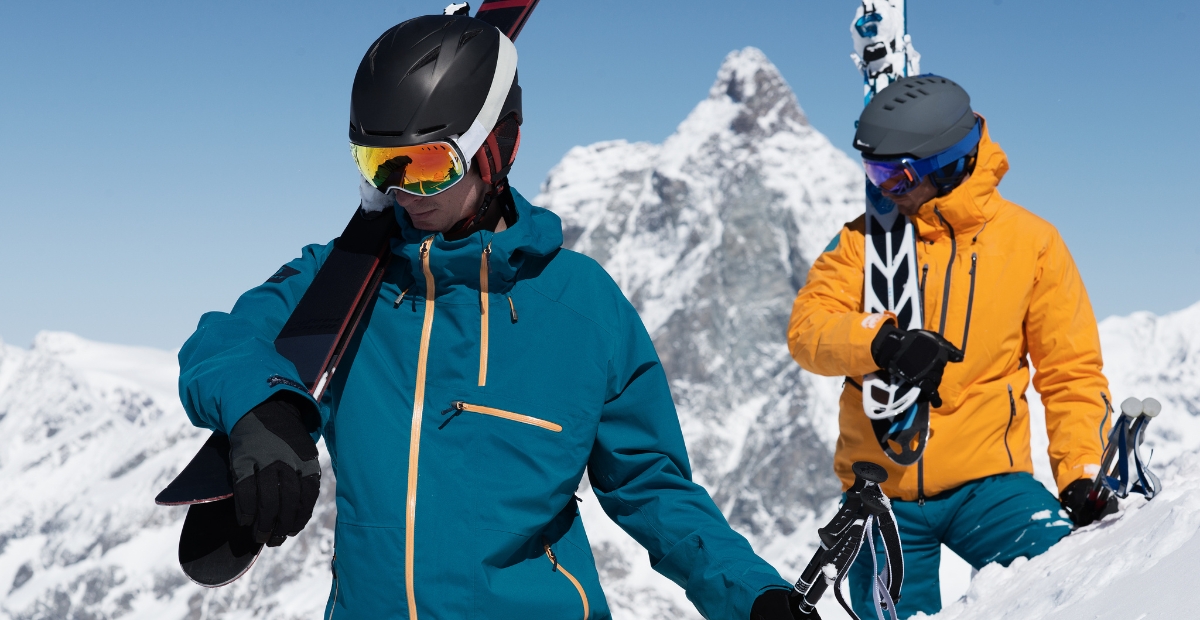
Ski Wear in Chester speed and stunning scenery makes skiing one of the most captivating winter sports. However, taking full advantage of the slopes and doing so with comfort and safety requires plenty of preparation. Picking out careful ski apparel must go beyond look and style. It’s necessary to protect yourself from dangerous weather, keep warmth and dryness, as well as, to ensure a range of motion to perform skiing to the best of your abilities. The winter season brings many hardships, such as the biting winds and icy temperatures, as well as the physically rigorous demands of skiing.
Table of contents
- Why Choosing the Right Ski Wear Matters
- Best Ski Jackets: Insulation, Fit, and Waterproofing
- Ski Pants and Bibs: Comfort, Mobility, and Protection
- Base Layers and Thermals: Staying Warm from the Inside Out
- Mid Layers: Insulation and breathability
- The Everything About Waterproof and Windproof Features
- Ski Wear Materials: Performance Fabrics vs Traditional Options
- Essential Ski Accessories: Gloves, Hats, Goggles, and Socks
- Functionality and Fashion: The New Trends in Ski Apparel
- Caring for and Maintaining Your Ski Wear
- Buying Tips: Selecting Quality Ski Wear for Long-Term Use
- Conclusion
- FAQs
Why Choosing the Right Ski Wear Matters
Choosing the correct ski wear has an influence on how comfortable and safe one will be on the slopes. Making the wrong choice can lead to customers suffering from cold and fatigue on the slopes. Making the right choice can provide warmth, mobility, and protection. Different jackets and pants offer different protection, and these combinations can be tailored to the user’s local climate to protect them from the first lift to the last run.
Best Ski Jackets: Insulation, Fit, and Waterproofing
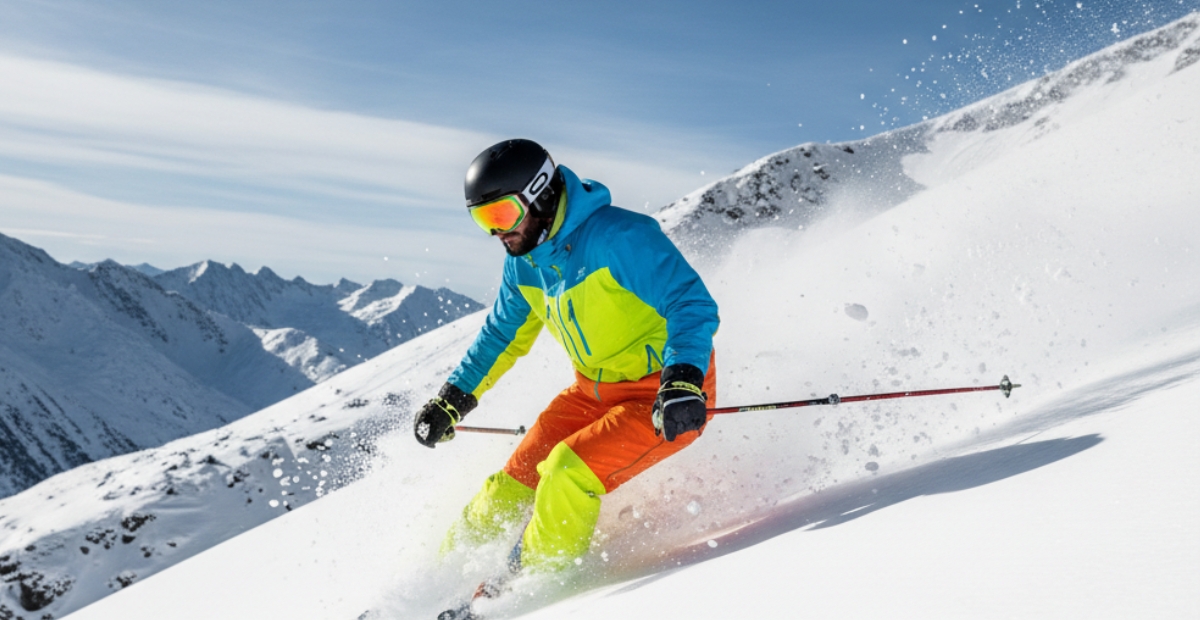
The foundation of a ski outfit is a good-quality ski jacket. It’s primary functions are insulattion, provide a fit that gives freedom of movement, and protect from the elements. men’s Ski Wear in Chester there are many options to choose from that include many technological advancements such as adjustable hoods, ventilation zippers, and pockets. These advancements add protection from the elements in a more comfortable and adjustable jacket.
Ski Pants and Bibs: Comfort, Mobility, and Protection
Ski pants and bibs feature the insulation and protection from snow and wind. In the case of pants, adjustable waistbands and reinforced knees create a more durable and comfortable wear, while waterproof coatings help to keep skiers dry. In terms of additional torso protection and deep-powder-snow enclosure, bibs are a superior option. Improving performance and comfort levels are dependent on ski style (relaxed cross-country vs aggressive downhill) and proper pant fit.
Base Layers and Thermals: Staying Warm from the Inside Out
Base layers like merino wool act as inexpensive insulation and systems are the foundation of your ski clothing. Per layer, they create a combined total of insulation from bulk. Choose layers that prevent chills during breaks and work together to improve comfort throughout long ski sessions while providing optimum insulation.
Mid Layers: Insulation and breathability
Fleece jackets and down vests are considered mid layers and provide adequate insulation. They are also are able to let some heat and moisture escape to balance warmth. Selecting mid layers that are versatile, compressible and easy to layer under your ski jacket makes adapting to changing weather conditions effortless.
The Everything About Waterproof and Windproof Features
Because ski wear are constantly subjected to wet, freezing snow, and the wind, the waterproof and windproof technologies in the fabrics are essential for preserving warmth and comfort. Ski Wear jackets in Chester designs are utilizing breathability, seam taping, and coatings to keep moisture out and allow the build up of sweat to escape. Most of the time, ski wear are subjected to snow. The snow is the reason the ski gear is designed with the technologies.
Ski Wear Materials: Performance Fabrics vs Traditional Options
Innovations in fabric technology have created performance materials that easily outperform traditional wool, cotton and polyester choices. kids Ski wear sale materials such as high-tech synthetics, laminated fabrics, and engineered insulation provide water resistance, breathability, and superior warmth and comfort at a decreased weight. By understanding the comparative options available, skiers can make selections that are worthwhile and ensure that their gear is high performing, durable, and comfortable over multiple wears.
Essential Ski Accessories: Gloves, Hats, Goggles, and Socks
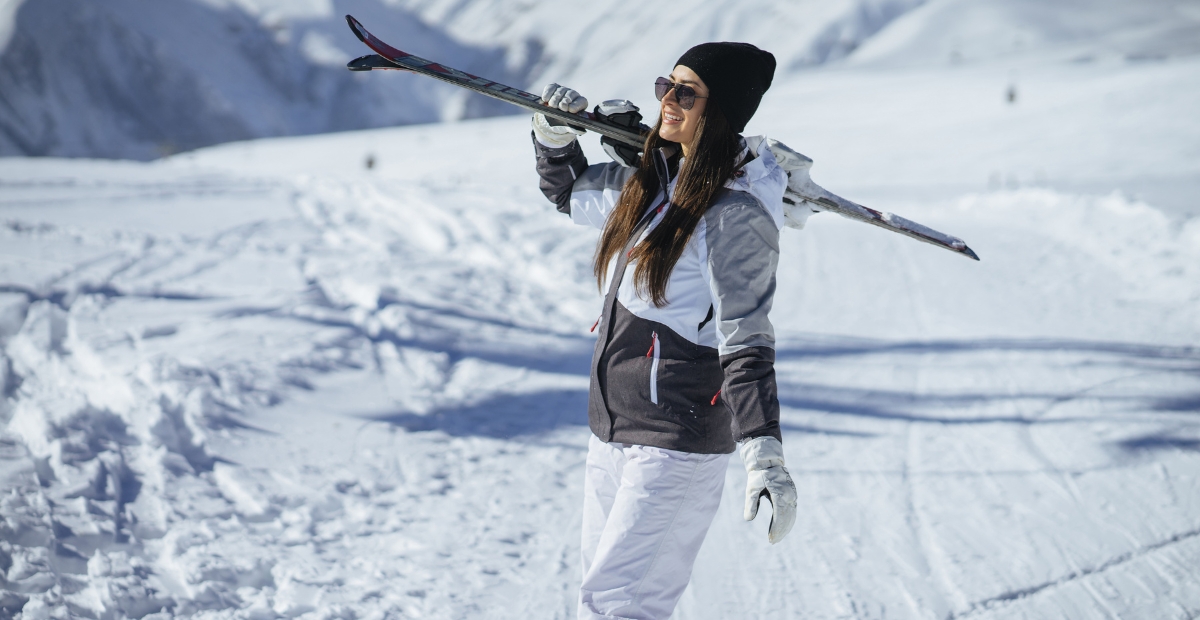
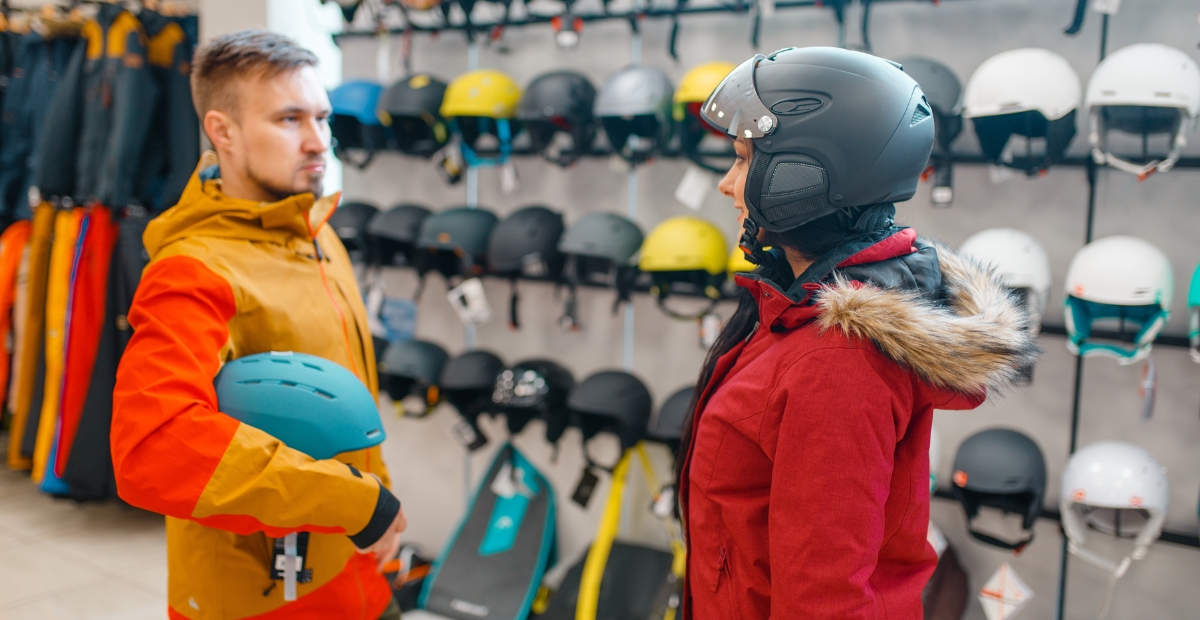
Accessories are a vital component of any skiing outfit as they provide warmth and protection on the slopes, as well as, fit the protective role of a safety equipment. Gloves and mittens provide warmth and dexterity while ski socks wick moisture to keep feet dry. Hats and beanies help retain body heat by insulating the head, while ski goggles shield the eyes from harmful UV rays, snow glare, and strong winds. Choosing ski wear accessories in Chester that match your activity level and the local climate significantly enhances comfort, visibility, and overall performance on the slopes.
Functionality and Fashion: The New Trends in Ski Apparel
“Modern ski apparel now combines the performance needed for skiing with the latest fashion trends. With the combination of high-function fabrics and features, there are now more sophisticated and exciting designs with varied colors and creativity. Skiers can now choose their ski apparel based on their desired level of fashion, while still meeting all of the required performance levels needed for ski activities.
Caring for and Maintaining Your Ski Wear
The way you wash, store, and treat your top men’s ski wear heavily influences how long it will last and how well it will perform. Following washing instructions, renewing the water-repellant finish, and correcting the wear and tear throughout the ski wear, will keep insulation, waterproofing, and breathability undiminished. These practices maximize the reliability, comfort, and effectiveness of your ski gear for several ski seasons.
Buying Tips: Selecting Quality Ski Wear for Long-Term Use
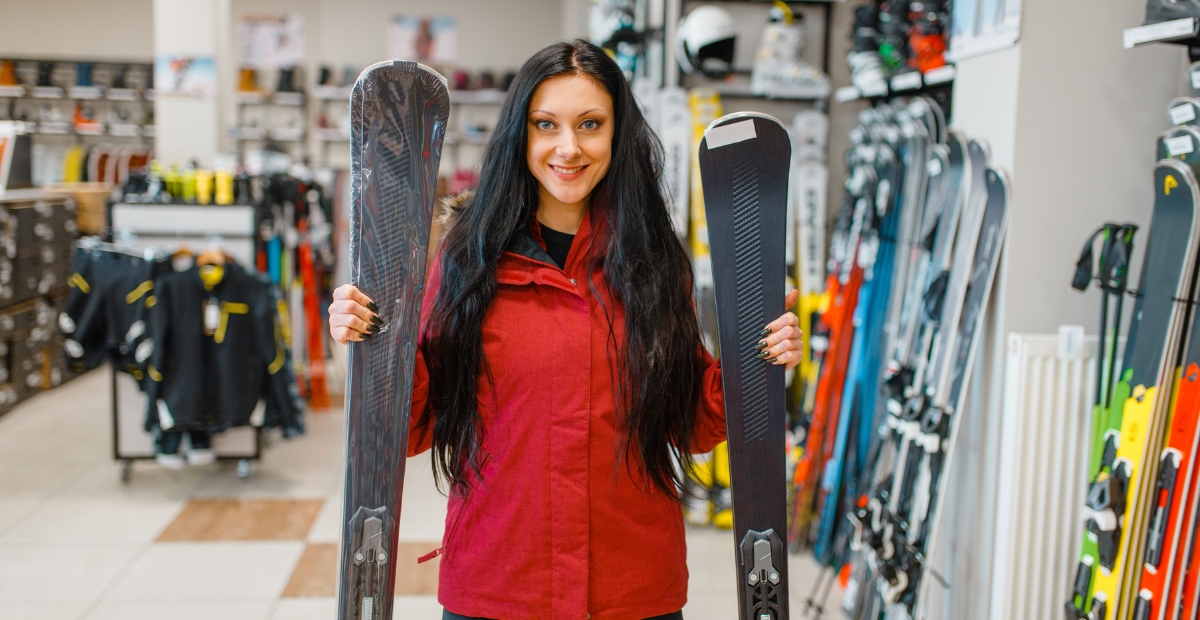
In the long term, buying ski wear that will last, perform well, and remain comfortable, will save you money. Look for recognized brands, suitable certifications, and flexible designs that allow for layering. Take into account the ski gear and its fit, your ski style, the weather, your family, and the activities you will do. The gear will keep you warm and dry while improving your skiing. Quality ski wear will protect and serve you for years.
Conclusion
Skillfully assembling your ski wear system goes beyond operational and functional considerations; it impacts your skiing performance and comfort and your overall experience in winter conditions. Every layer of your system, including moisture-wicking base layers, insulating mid layers, waterproof and windproof outer jackets, and the right accessories, is instrumental to your winter-sporting experience. Having a thorough understanding of the functions of every layer, your materials selection to balance the system’s warmth, breathability, and durability, while considering your skiing competency, body shape, and individual style, is instrumental to your experience in the coming seasons. Having the right ski wear contributes to a snow-free, warm, and comfortable experience, with the full range of movement to enjoy every run, from your first lessons to the toughest slopes.
FAQs
Proper ski wear keeps you warm, dry, and protected from harsh weather while allowing comfort and freedom of movement on the slopes.
A good ski jacket should offer insulation, waterproofing, wind protection, breathability, and a comfortable fit for layering.
Yes, base layers wick moisture away from the skin, regulate body temperature, and prevent chills during rest periods.