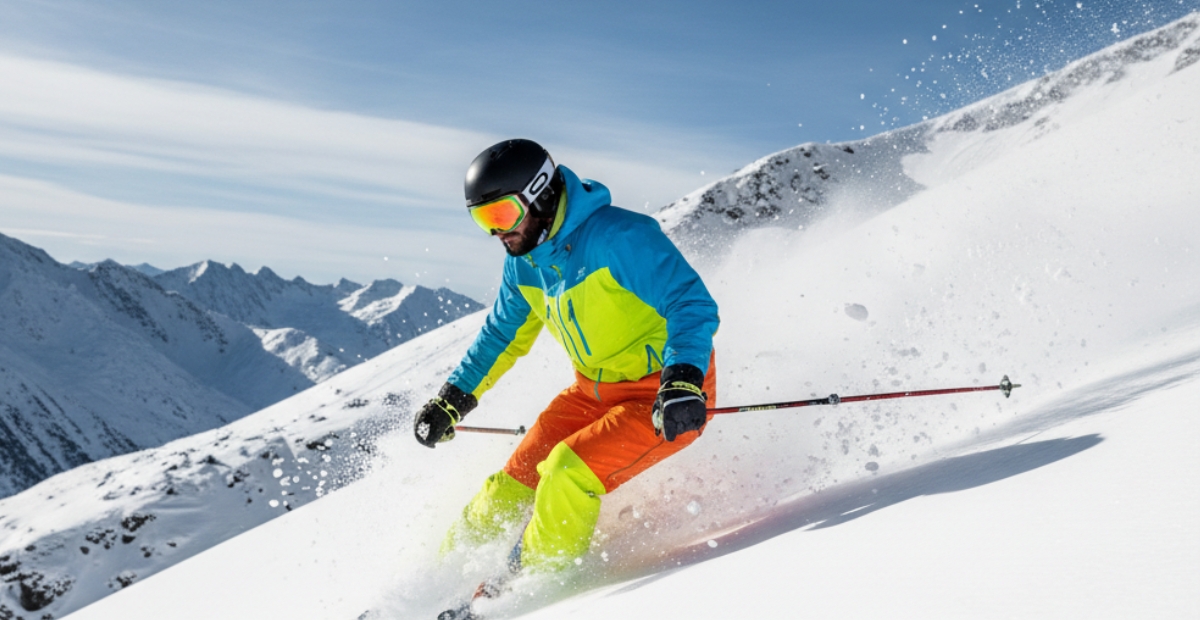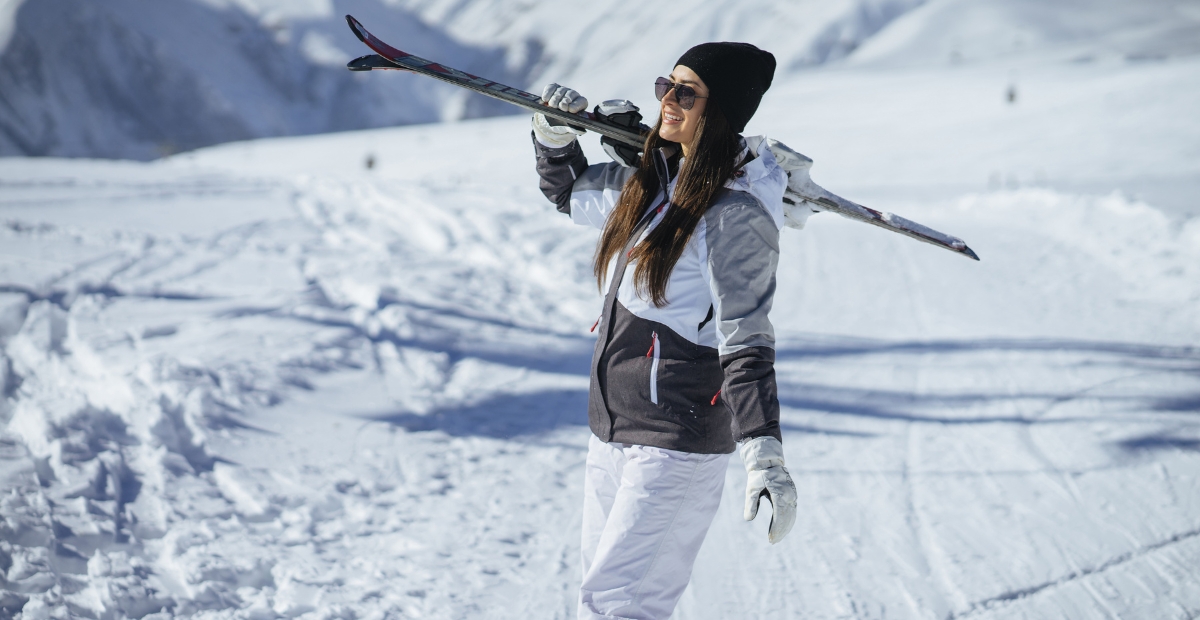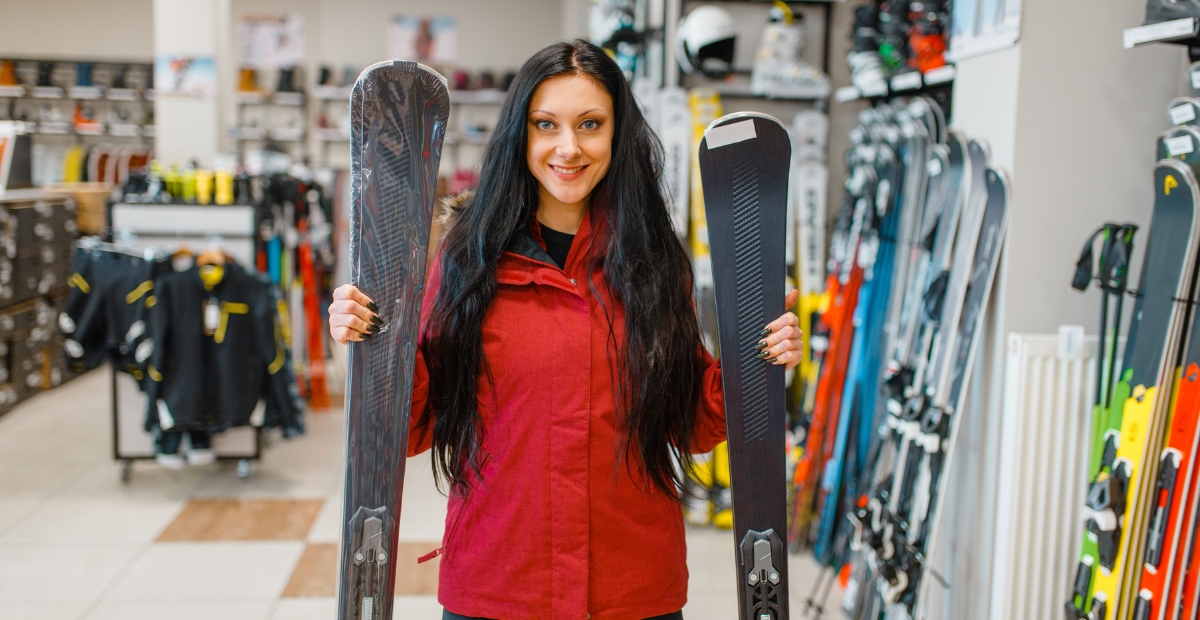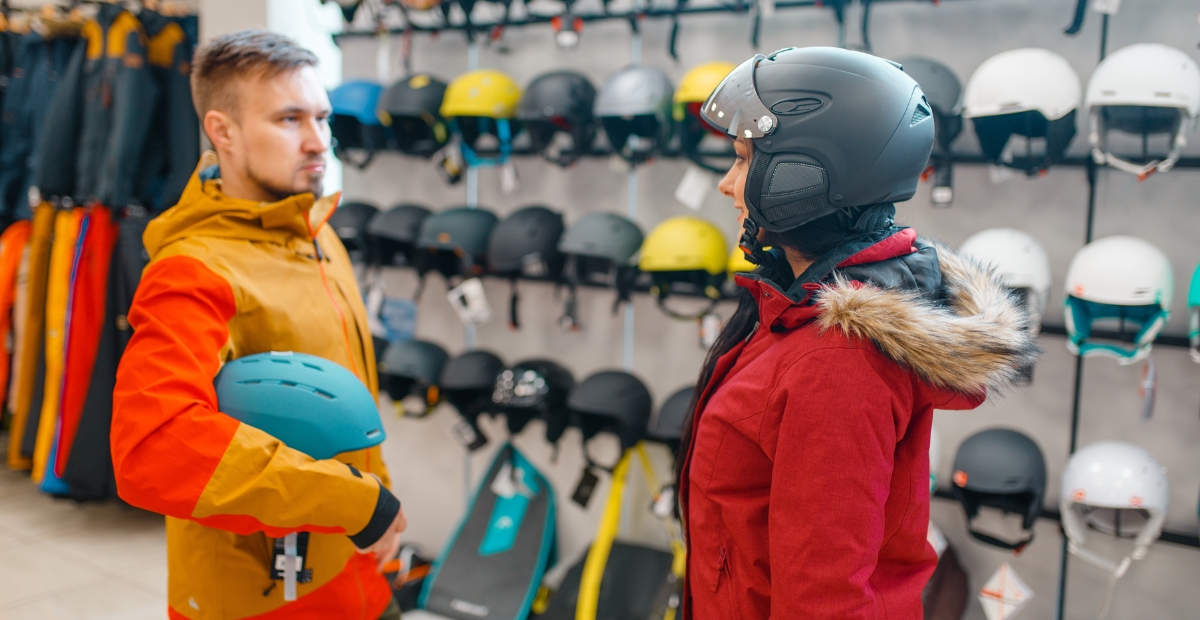
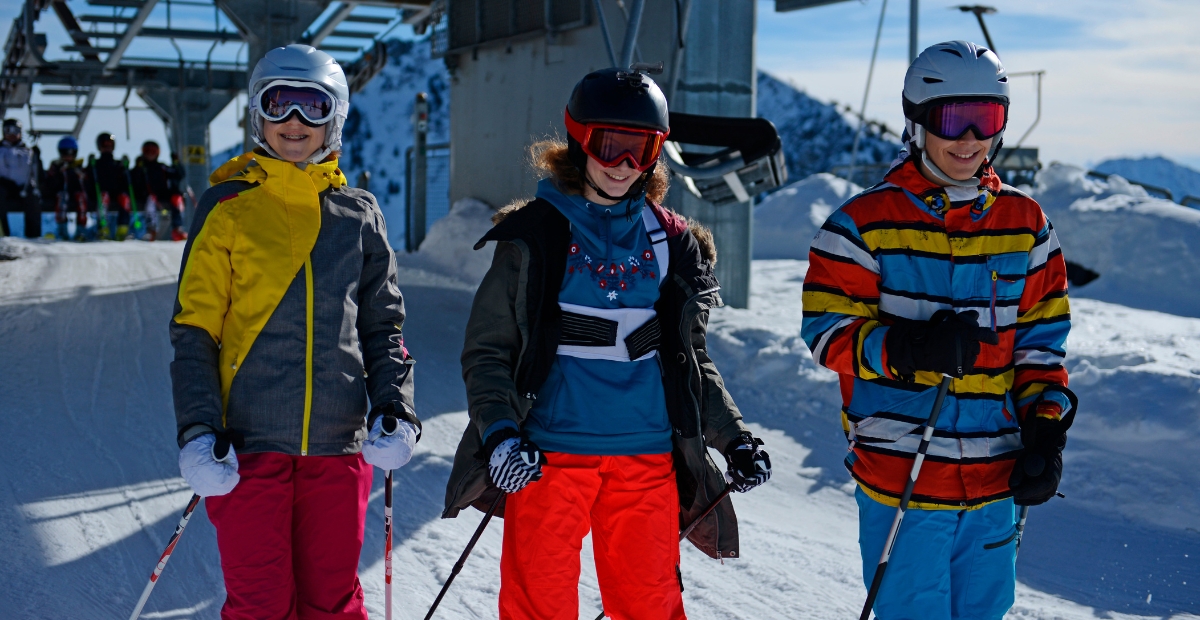
Ski Wear Clothing because it involves skills and thrill of making it down the mountain, but it is not the only thing needed for the perfect run. The skier also needs the right clothing to keep the punter warm, dry, and comfortable. Ski clothing is rough, moisture and wind resistant. And it needs to keep the skier moving and protects the person while they actively ski. Clothing is more than fashion. It is about the body and the activity. The clothes do the body. Skiing has offers at least five types of clothing that do five different things.
Table of contents
- Why Choosing the Right Ski Wear Clothing Matters
- What ski weather is like and what to wear when skiing
- Ski Jackets: Insulation, Waterproofing, and Fit
- Ski Pants and Bibs: Comfort, Mobility, and Protection
- Base Layers and Thermals: The Foundation of Warmth
- Mid Layers: Insulation and Breathability
- Waterproof and Windproof Feature Technologies.
- Ski Wear Materials: Performance Fabrics vs Traditional Options
- Essential Ski Accessories: Gloves, Hats, Goggles, and Socks
- Layering System for Skiing: How to Dress Smartly
- Ski Wear Clothing for Beginners vs Experienced Skiers
- Choosing the Correct Ski Wear for Men, Women, and Kids
- Consider the skiing apparel trends that the industry is witnessing today
- How to Care for and Maintain Your Ski Wear Clothing
- Buying Tips: Selecting Quality Ski Wear for Long-Term Use
- Conclusion
- FAQs
Why Choosing the Right Ski Wear Clothing Matters
When correctly choosing ski wear clothing, this also represents an important decision on safety, performance, and enjoyment on the slopes. There are numerous extreme weather scenarios when skiing due to the freezing men’s ski wear, icy winds, and snow and rain that fall when skiing. Ski Wear Clothing types of clothing could destroy an otherwise fun day skiing due to the weather. The correct high-quality ski wear will help to regulate your body temperature and help to prevent hypothermia as well as allowing for body movement when skiing or snowboarding. The correct gear also helps to prevent injuries due to the padding, abrasions, and durability components to designed jackets, ski pants, and accessories as well. In addition to safety and warmth, the right ski wear boosts skiers confidence allowing them to focus on right on ski techniques rather than adjusting and dealing with uncomfortable equipment.
What ski weather is like and what to wear when skiing
Skiing weather is very location and seasonal dependent. Knowing what weather to expect is important to ensure the correct ski wear is packed. For example, in the snow-capped winter mountains, the temperature can drop to well below 0 and the wind chill can drop temperatures even more. Kids ski Wear Clothing in wet conditions with snow or sleet, unprotected layers can become heavy and uncomfortable. It can also be difficult to choose the correct skiing fabric layers due to different snow conditions. Some fabrics are better at water insulation and others keep better at blocking water. In addition to proper ski layering, there are bright sun conditions when skiing at high elevations that require UV protection and breathability when skiing to avoid overheating.
Ski Jackets: Insulation, Waterproofing, and Fit
A ski jacket is at the core of every ski outfit, providing protection, style, and most importantly, warmth. There are different insulation types for jackets. For example, jackets with down insulation are lightweight and efficient at retaining heat. But, synthetic insulation performs better when wet. Insulation is only one part of the ski jacket. Waterproofing is equally important. Jackets made with cheap fabrics lose their waterproofing, and skiers are left cold and wet. A lot of the contemporary ski jackets use special membranes like Gore-Tex, that are waterproof, but also allow sweat to escape. A ski jacket also needs to have a good range of motion to allow the skier or snowboarder to ski without a lot of extra bulk. Modern ski jackets have adjustable hoods, cuffs and hems to keep snow and wind out.
Ski Pants and Bibs: Comfort, Mobility, and Protection
Ski Wear Clothing bibs are as important as jackets for insulation, mobility, and protection. These garments need to protect the wearer from friction from ski boots and bindings, while insulating against snow and ice. The cut of the pants should allow for a full range of movement. This includes crouching and carving turns, lifting, and jumping. Bibs provide extra coverage on the back and stomach, which can prevent snow from getting in during falls, and deep powder snow. Modern ski pants are reinforced at the knees, seat, and cuffs. Ski Wear Clothing with adjustable waist bands, pants, and ankle zippers to add functionality.
Base Layers and Thermals: The Foundation of Warmth
Skiers wear base layers (also called thermals) as the first layer under other ski clothing to protect their body and regulate heat. These layers actively wick moisture away from the skin, keeping it dry and preventing the body from chilling during rest or inactive periods. Ski Wear Clothing a natural and high quality material that is insulating, breathable, dry and odor resistant, and synthetic blended polyester is great to keep the skin dry and to heat retain. Fitted base layers that are snug and not constricting apply maximum contact with the skin to enable effective heat transfer.
Mid Layers: Insulation and Breathability
After base layers and prior to your outerwear, mid layers must be included in your kids ski wear sale outfit. Mid layers trap warmth while also allowing for freedom of movement. There are several options available, including fleece jackets, down vests, and synthetic insulated garments, each differing in their pros and cons. Fleece is a great option for skiiers who enjoy more strenuous activity as it is lightweight, breathable, and dries quickly. Conversely, down is better suited for extended periods of inactivity as it offers superior warmth. Another alternative is a synthetic mid layer, which holds its insulating properties, even when wet – a huge advantage when snow is unpredictable. Mid layers can be added and removed depending on how active you are to keep your outfit comfortable. From the first lift until the last run, well chosen mid layers set the ideal energy level and comfort for a ski day.
Waterproof and Windproof Feature Technologies.
When choosing ski wear, one needs to be familiar with waterproof and windproof technologies. Waterproof fabrics block rain and snow, while breathable membranes allow sweat and moisture from the body to escape, which prevents dampness and discomfort. Fully taped seams, water-resistant zippers, and storm plackets improve protection and ensure no water enters through point. Windproof materials block cold gusts that strip away body heat, especially in high altitudes or on wind exposed slopes. Many windproof ski jackets and ski pants have adjustable cuffs, hoods and hems to further seal in warmth and block wind and snow. If skiers select ski wear based on waterproofness and windproofness, skiers will be able to maintain warmth, avoid moisture induced chills, and improve comfort in extreme weather.
Ski Wear Materials: Performance Fabrics vs Traditional Options
Ski wear that integrates cutting-edge performance fabrics outperforms the likes of cotton and wool in warmth, durability, and moisture management. Fabrics such as Gore-Tex or eVent, or proprietary alternatives, provide the necessary waterproof and breathable barrier critical when skiing in wet and freezing precipitation. Synthetics, unlike wool whose warm, heavy, and water-retaining qualities, mimic the warmth of down and continue to insulate when wet. Performance fabrics prioritize durability and comfort through lightweight construction and enhanced mobility, often using design elements incorporate stretch panels or articulated designs. While the casual user may appreciate the raw materials, for serious skiing, high-performance fabrics are critical, as they provide the necessary level of protection while extreme weather and the elements.
Essential Ski Accessories: Gloves, Hats, Goggles, and Socks
Ski accessories complete your outfit and play important roles in warmth, safety, and comfort. Mittens and gloves, depending on your preferences, should be insulated, waterproof, and be able to extend around your wrist. These features help to prevent instances of frostbite. Wraps and balaclavas should be adjustable, so you can secure them to your liking. Good ski gear will help protect your head and neck from losing too much body heat. Fog and brightness are snow conditions that can hinder your vision. To protect your vision in any of these conditions, wear ski goggles that have anti-fog features.
Layering System for Skiing: How to Dress Smartly
Being smart about how one layers while skiing is the best way to remain adaptable. The most common method is the three-layer system. The three layers consist of a base layer that wicks moisture, a mid-layer that insulates, and an outer layer that protects the wearer from the wind and rain. This way, the skier is able to add or take away layers depending how active they are or how the weather is. This also eliminates extra bulk while trapping more heat, allowing for more freedom of movement. Additional pieces such as insulated skiing pants, thermal socks, neck gaiters, and other accessories assist in trapping in more heat during skiing. The art of layering is one of the most powerful tools for a skier in mastering their art to properly regulate body temperature and to not overheat during skiing.
Ski Wear Clothing for Beginners vs Experienced Skiers
Different experience level skiers have different needs when it comes to clothing. Beginners look for clothing that has a good balance of warmth, comfort, and durability as they will be learning how to ski and will fall quite a bit. More advanced skiers look for clothing that has more tech ingredients and is performance-driven to handle cold and windy conditions. These skiers are looking for items that are streamlined in fit to handle ripping down a run or doing big tricks. More advanced skiers will need reinforced items like a butt and knee padded pant and a jacket with a big zippered mesh to help them with their activity level. Understanding these differences will help in making sure all skiers have clothing that is appropriate for their level of experience.
Choosing the Correct Ski Wear for Men, Women, and Kids
Ski apparel is engineered to address the physiological and functional requirements for men, women, and children. Men’s ski apparel offers a larger fit and is built with extra insulation for increased warmth. In comparison, women’s ski apparel has a more tailored, contoured fit and a greater emphasis on stylistic design. “Designers build children’s ski apparel with extra room, robust materials, enhanced mobility, and adjustable features so it fits for more than one season. Each age tier also considers skiing activity, layering preferences, and how the wearer will use the apparel when skiing or snowboarding. It is also important to select ski apparel based on each family member’s body type, ski apparel activity level, and ski slope to ensure each member can ski comfortably and safely with the maximum range of motion.
Consider the skiing apparel trends that the industry is witnessing today
There are two things that modern ski apparel has in abundance. The first is style. Modern ski apparel is now more capable of showing off the personality of the wearer. The second is modern ski wear jacket apparel being more capable of providing the necessary protection and warmth. The trends modern ski apparel is showing includes bright colors and bold designs. Modern ski apparel is being made in a more eco-friendly manner. The modern trends also include replaceable inner linings and pockets of various designs for storage.
How to Care for and Maintain Your Ski Wear Clothing
Taking care of ski wear properly increases top men’s ski wear effectiveness and longevity. Preserve water resistance and insulation by following the washing instructions on the label, using detergents for membranes, and avoiding fabric softener. They increase the durability of your ski gear, inspect reinforcement layers, stitching, and zippers for wear. To avoid odors and the growith of mold, dry and ventilate your gear after you season ends. To increase waterproofing, apply reproofing agents. Presoaking your gear in water will allow for better absorption. Proper maintenance will ensure the effectiveness of your ski wear for multiple seasons.
Buying Tips: Selecting Quality Ski Wear for Long-Term Use
Quality ski wear costs more, but the payoff is enhanced comfort, great wear, and improved performance. The reputation of a brand selling ski gear is usually a good measure of its technical expertise and attention to the use of high-performance fabrics as well as fit and functionality. Justifiable premium prices are usually the outcome of the brand’s decision to offer superior protection and reliable longevity. From a long-term perspective, investing in premium ski gear costs less than repeatedly buying affordable options, which wear out after each season. Skiers should choose gear that expands the range of slopes they can ski and lasts for many years under those conditions.
Conclusion
The choice of ski wear is an important consideration that helps ensure an enjoyable experience on the slopes. Proper ski clothing selection offers an enjoyable slope experience while providing the necessary protection. Choosing the right materials will help keep the skier dry while providing the necessary moisture wicking that will promote warmth and comfort. Performance materials provide moisture wicking that traditional cotton materials do not. Staying in dry and in warm conditions will provide the comfort needed to concentrate on the skiing. For all of today’s skiers, outerwear modern performance ski wear provides warmth and comfort while looking great.
FAQs
The most important features are insulation, waterproofing, and breathability. A good ski jacket keeps you warm, dry, and allows sweat to escape, ensuring comfort during long ski sessions.
Use a three-layer system: a moisture-wicking base layer, an insulating mid layer, and a waterproof, windproof outer layer. Adjust mid layers or outerwear as temperatures and activity levels change.
Yes. Beginners benefit from warmer, more durable clothing for frequent falls and slower skiing, while advanced skiers often prioritize lightweight, technical fabrics, mobility, and specialized features for high performance.