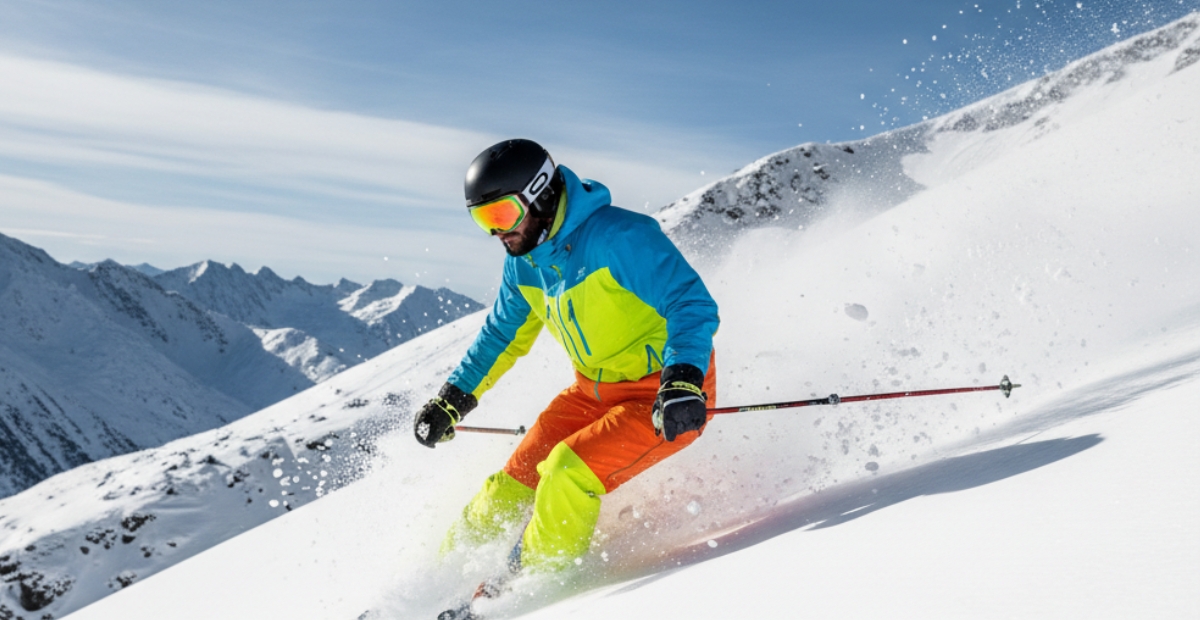

Participating in winter sports is a wonderful experience for kids to enjoy the outdoors, stay active, and have fun flying down the hills in the snow.”However, cold, wind, and moisture can also affect kids, turning a fun activity into an unpleasant and even dangerous one. Because of this, the right kind of kid’s ski clothes is very important to enjoy skiing or snowboarding. Kids ski clothes help keep them warm and dry, and protect kids while allowing them to move easily to enjoy their time in the snow. Unlike adults, kids can get cold and fatigued faster. Kids can get chilled more easily, and sometimes they do not know when they are too cold, so in order to keep your kids active and safe during the fun outdoor activity, it is important to be active and extra prepared.
Table of contents
- Why Choosing the Right Ski Wear for Kids Matters
- Essential Base Layers: Comfort and Warmth for Little Ones
- Mid Layers: More insulation for those colder weather adventures
- Outer Layer: Windproof and Waterproof Protection
- Ski Jackets: Function Meets Style
- Ski Pants: Durability and Comfort on the Slopes
- Must-Have Accessories: Gloves, Hats and Goggles
- Safety Tips: Keeping Kids Warm and Protected
- Tips for Ski Season Weather Conditions
- Where to Purchase Quality Ski Wear for Kids
- Conclusion
- FAQs
Why Choosing the Right Ski Wear for Kids Matters
As a parent, the first thing you’ll need to consider when introducing your child to the sport of skiing will be ski wear. “Skiing is a sport, and people define a sport as an activity that involves physical exertion and skill, in which an individual or a team competes against others for entertainment. In this case, the entertainment is your child, and the competition is a potentially extreme weather scenario involving snow and cold winds, as well as the physical exertion of skiing. Because of the extreme weather conditions, even the shortest skiing experiences can be unsafe or even harmful to your child. In order to be the least bit safe, the entire experience would need to be of high quality and appropriate Ski Wear London.
Essential Base Layers: Comfort and Warmth for Little Ones
Base layers are the building blocks of any ski outfit for children. As the first layer to touch the skin, they are responsible for body temperature control. Base layers pull moisture away from the skin to ensure children stay dry and comfortable as they engage in active play or skiing. They pull moisture to the top layers and then to the fabrics. Materials that are great for moisture management and that can be used are merino wool, and synthetic fabrics such as polyester. Merino wool is especially good since it is soft, lightweight, and breathable. It is also comfortable for children who are sensitive to fabrics and it doesn’t get smelly.
Mid Layers: More insulation for those colder weather adventures
Mid-layers serve as insulators that go between the base and outer layers of an outfit and give an extra buffer of warmth for the colder weather. Mid-layers help kids who will likely be doing hours of skiing or snowball fighting activities. Mid layers materials are common such as fleece, down, or even synthetic insulation like PrimaLoft. Fleece is lightweight, breathable, and will warm you up, while down is even better insulation but must stay dry.Of the three, synthetic options work best for kids because they are durable, retain insulation even when wet, and are easier for parents to care for. Zippered fleeces, pullovers, and vests give kids the most flexibility to adjust to the current weather and their level of activity. Kids skiing that is in the are high likely to be over layering and overheating.
Outer Layer: Windproof and Waterproof Protection
The base and mid layers give warmth, while the outer layers give protection from the wind, snow and rain. Things like ski jackets and snow pants are essential for keeping the kids dry and protecting them from the winter. Ski fabrics such as Gore-Tex and HyVent are great for keeping the kids dry even when they fall or sit in the snow. The materials are great for protecting the kids from snow, wind and moisture. The windproof materials are great for protecting the kids from icy winds which can get dangerous for the kids and can get the kids really cold in the mountains. Breathability is another important aspect of outer layers, and ski masks really important for the kids when they are on the slopes. The fabrics can’t trap moisture and heat because the kids will get overheated which will be uncomfortable for the kids.
Ski Jackets: Function Meets Style
Children’s ski jackets are not just for looks. They are crafted to give optimal warmth and protection while providing full range of motion to the user. Newer ski jackets include features like adjustable hoods, insulation, reflective light material, and extra pockets. Well-fitting jackets cover the torso while providing movement to the arms. These features are adjustable to accommodate the growth of the child. Waistbands, cuffs, and hoods can all be altered to the specifications of the user. Jackets also include protective features like snow skirts to keep the inside of the jacket snow free from spills. High collars and hoods protect from the wind and snow.
Ski Pants: Durability and Comfort on the Slopes
Children need ski pants to help keep them warm and dry. Children can wear materials that wick away moisture and add mid layers, such as jackets, made from waterproof and windproof fabrics with reinforced stitching and durable construction to withstand falls and active movement. Insulation, especially around the thighs and knees, is important for maintaining warmth, as these balaclava or ski masks areas are more exposed during skiing and play, as well as getting snow on them due to the flinging action of snow during skiing play. Comfort and breathability and flexible fabrics are important to be included in the pants of choice. They should have added adjustable waistbands, and even snow gaiters that fit over ski boot, to keep snow out, and help to keep heat in. Moisture-managing flexible materials are just as important, to allow for high levels of active movement.
Must-Have Accessories: Gloves, Hats and Goggles
Accessories add a finishing touch to a child’s ski outfit, as well as provide important functions for warmth, protection and safety. Gloves and mittens should be waterproof, insulated, and easy to put on and take off, even when fingers are cold. For very young children, mittens are usually warmer, while older children may prefer gloves for dexterity. Hats and headbands made of thermal, moisture-wicking materials protect the ears and scalp from the cold, especially under a helmet. Goggles protect a child’s eyes from snow glare, wind, and UV rays. Anti-fog coated lenses help during active skiing because condensation fogging won’t be an issue, and visibility will be clear.
Safety Tips: Keeping Kids Warm and Protected
Safety goes hand in hand with proper Ski Wear Ladies. Kids should always wear a protective ski coat and ski pants that allow movement. Managing a child’s warmth from sweat and cold can be tricky. It can be helpful to monitor kids for signs of cold exposure, such as shivering and pale skin, and losing energy. In the event of cold exposure, it will be necessary to step indoors for a few minutes to encourage warmth. Skiing boots should be the proper size to avoid accidents and allow for better control while skiing. Breaks should be taken to avoid fatigue.
Tips for Ski Season Weather Conditions
During skiing and snowboarding, the weather can get really unpredictable during the day. A strategy so that kids can really be comfortable, is to use layering. Your child will be comfortable and can add or subtract a piece of layer. Children can wear moisture-wicking materials that keep them dry and add mid layers to stay warmer. The outer layers protect them from snow and wind, and they can open these layers while skiing to let in fresh air. Teach your kids the layers system. for the ski season, pack your kids with butt, moderte, and outer layers. Adjust all the pieces so that they aren’t too baggy so that it doesn’t hold the kid back. You can add pieces like gloves, hats, and nuck gaiters. It is also fun to add and remove clothes, so your child can stay responsible and decide that they need to stay comfortable.
Where to Purchase Quality Ski Wear for Kids
When buying ski wear for kids, the clothing must pass the safety standards and will need to provide warmth and comfort to the child. A great place to start looking for ski kids clothes will be a local ski shop shop or a shop online that sells quality brands. Trying to buy clothes that will save you money in the short run will probably not last the full ski season. Children will grow, so make sure to consider the adjustability features. These are often available at the more expensive brands.“By reading what other parents are saying, you can choose the right kids’ ski wear. Once you consider all these factors, you can confidently dress your child in a ski outfit that keeps them warm, comfortable, and safe.
Conclusion
Selecting children’s ski apparel involves more than just picking out an outfit. The proper ski wear protects kids from the elements, while also keeping them warm and comfortable. Each article of ski apparel, including moisture-wicking base layers, insulated mid layers, and waterproof outer layers, as well as other accessories ski apparel, is designed to protect children from the ice and snow while allowing freedom of movement. Correctly fitting and proper ski apparel reduces the risks of hypothermia and frostbite, and removes discomfort allowing for fun and exciting outdoor winter activities.
FAQs
Proper ski wear keeps children warm, dry, and safe while allowing freedom of movement and enjoyment on the slopes.
Base layers wick moisture, mid layers provide insulation, and outer layers protect from wind, snow, and rain.
Look for insulation, waterproofing, adjustable features, snow skirts, and bright colors or reflective accents for safety.