
To some, a balaclava is simply a piece of winter gear, but for others, it is an accessory that combines utility, comfort, and style, and can be worn anytime of the year. From keeping soldiers warm during the winter months on icy battlefields, to making a statement on high-fashion runways, the balaclava has become an indispensable piece of headwear. Knowing the different ways of wearing a balaclava, its uses, history, and the detailed workmanship that goes into making one, will help to appreciate its worth and multifunctionality in the both the street and outdoor style.
Table of contents
The History of the Balaclava
The balaclava can trace its origins to the Crimean War of 1854. British soldiers were wintering in Balaclava, Ukraine, and were losing battles and suffering frostbite. Other soldiers were losing their heads to the extreme cold. The women of the region knitted head and neck warmers for those “frostbitten” soldiers and called them “balaclava helmets.”
Eventually, the “balaclava helmet” became a required item of head military issued headwear and was used during both World Wars. During the 20th century, the balaclava or ski mask became a popular item of cold weather gear for skiers, mountaineers and motorcyclists.
As of late, the balaclava has shed its military, athletic, and utility associations, and has truly become a staple of contemporary streetwear. No longer just practical, the recent headbands contrast brightly with bold, muted works of Moncler. Balenciaga, Prada, and a host of other designers have featured the balaclava prominently.

What Is a Balaclava?
A balaclava hood encases the head and neck while skipping over small portions of the face, revealing either the eyes, the eyes and mouth, or the whole face.
For maximum warmth and protection from biting wind, cold, and dust, a balaclava works better than a scarf or hat as it offers full coverage. Traditional balaclavas are constructed from warm, insulating, and truly breathable materials, like wool, and moisture resistant polyester or fleece, which also provides a lightweight comfortable fit.
Contemporary balaclavas come in various styles. While some are designed for practical simplicity, other are more elaborate, with complicated patterns, meshing, and designed with high fashion in mind to work with outerwear.

Where and How to Use a Balaclava
A balaclava is multifunctional and can be worn in different situations, be it functional or fashionable. Whether for winter sports, daily activities, or even for protection, a balaclava can be of use.
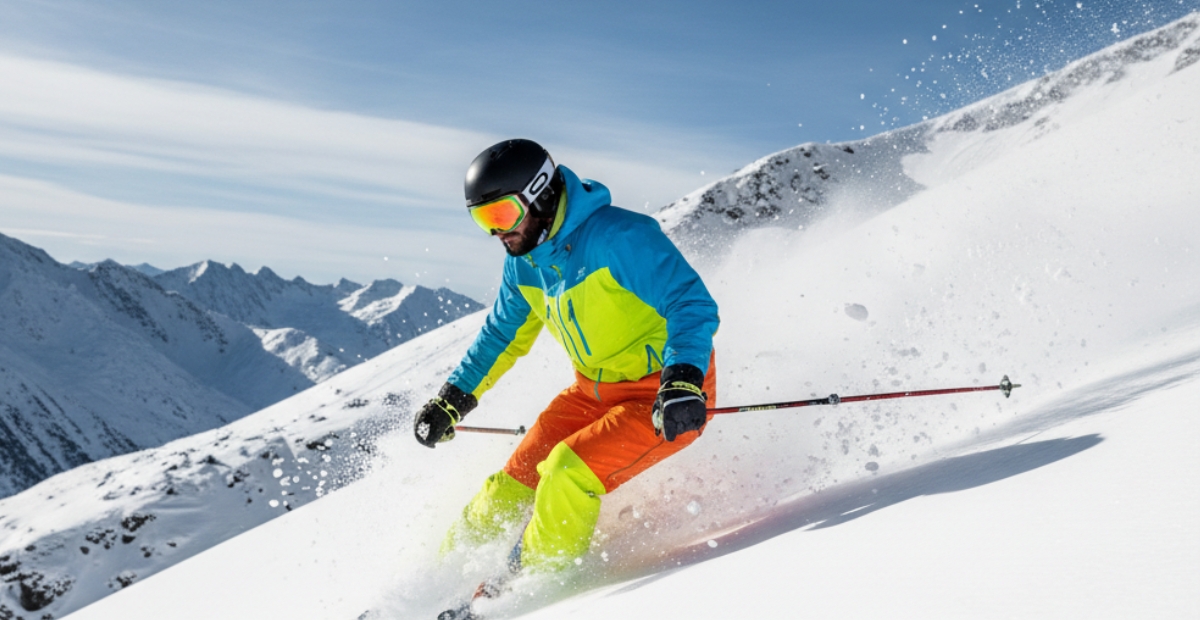
In winter sports activities like skiing, snowboarding, and mountaineering, a balaclava is worn underneath a ski mask to keep in warmth and prevent frostbite. A balaclava protects the cheeks, chin and neck area from cold winter winds and snow. Runners and cyclists use the lighter version of balaclavas for the winter months to get the needed warmth without overheating.
Comfort is increased for motorcyclists when a balaclava is worn under a helmet to absorb friction and sweat. How to Wear a Balaclava This also helps keep the helmet cleaner and lengthens its lifespan.
In the urban scene, bold minimalists use fashion balaclavas as part of their outfits with overcoats, hoodies, or trench jackets. For streetwear, a black or neutral-tone balaclava can be added to complete the outfit.
Balaclavas provide safety in extreme conditions for workers as well, like firefighters, construction teams, or soldiers. The face and neck can be protected from heat and flames with the fire-resistant balaclava made of aramid fibers.
With style, safety, or warmth, a balaclava is something you can always trust to get you through the different seasons.

The Making Process of a Balaclava
The first stage in the production of a balaclava is the selection of appropriate fabrics. The purpose of the garment will inform the choice of the material. For winter use, heavy wool or fleece will work, whereas for active use, lighter and breathable polyester blends will work best.
Once the fabric is acquired, the next step is cutting the fabric into appropriate geometric patterns. The balaclava design will typically include a tubed shape fabric which has an extended neck and the face opening can be adjusted for versatile coverage.
The next stage is assembly, in which the seams of the fabric pieces are joined and secured. How to Wear a Balaclava Venting arrangements or mesh fabric systems are inserted to the heat generating sources of the garment, that is the mouth and nose area, to increase heat and moisture removal.
Heavier use balaclavas are designed with moisture management systems, which are special design coatings that aid in moisture absorption to the surface of the fabric during high activity. The balaclava is then assessed for the necessary criteria, that is, quality and comfort before the final stage of packaging.
The design of contemporary balaclavas is a perfect combination of function and fashion.
Proper Balaclava Use: Style and Comfort
Getting the most out of your balaclava is about technique. Start by pulling it over your head and placing the seam at the back. The neck portion should stretch to cover the throat and be tucked into your jacket or sweater.
Depending on the activity, you may want to adjust the facial opening. When skiing, you can cover your entire face except the eyes. For working casual you may want to pull it back to reveal the face or mouth area.
When using it for fashion, wear layered outfits like trench coats, leather jackets, or oversized hoodies. Neutral colors like black, gray, or beige give a sleek effect, while bold colors like red or blue create a focal point.
To avoid discomfort, use thin and breathable materials when the balaclava is worn under a helmet or hat to avoid overheating.
Balaclava: Addition to Your Style
Lately the balaclava has become popular in unexpected fashion. Balaclavas easily transitioned from practical military gear to red carpets, streetwear collections, and high-fashion shows.
To bring that edgy touch, celebrities and influencers incorporate them into their outfits. A simple, monochromatic balaclavan, and oversized coats or utility wear appropriately styles one adding something confident and futuristic. Soft knit balaclavas that are winterized also have added functionality where they warm the user and style up the torso as they complement the wool coats and winter scarves.
Designers pushing the industry boundaries try their hand at creative variations for balaclavas. These modern adaptations add individuality to their wearers, and some of the more expensive designer pieces try to add value by using cashmere. For the more pretentious, fashionable balaclavas some designers incorporate ostentatious logos or other additional embroidery.
The balaclava’s minimalism makes it the perfect mount of utility and functionality.
Care and Maintenance
Balaclavas are meant to look their best, as such you need to follow their maintenance care and use as prescribed for the fabric. The balaclavas wool and fleece should not be tormented at all by folding, twsting or rigorous hand washing. Them being wool and fleece, detergents should be soft. The polyester and the cotton variety are your standard machine washable.
To maintain elasticity, the balaclava should be air dried and not dried using warm air. When not in use, it should be stored in a clean dry space to avoid dust accumulation.
Maintaining your balaclava ensures that it is soft, clean, and ready for the season, prolonging its lifespan.
The Symbolism and Cultural Significance
Aside from its function, the balaclava holds cultural value. It has appeared in art, performance, and protest as a representation of identity, anonymity, and resistance. It can embody numerous meanings, and its scope allows it to artfully transcend boundaries from practical headwear to creative spectacle.
Today’s balaclava continues to adapt. Whether it is worn to shield a snowboarder’s face from icy winds or completes a fashionista’s outfit down the runway, it serves a protective, evolving function.
Conclusion
There has been a transformation from the frozen battlefields of Balaclava to today’s urban centers, and so too has the balaclava itself. It’s no longer simply an accessory, but rather a combination of history, craftsmanship and modern style. Understanding the proper way to wear a balaclava helps you maximize its potential, whether you want to make a bold fashion statement or stay warm.
The diversity in materials, designs, and purposes keeps the balaclava a timeless piece of functional art, connecting the past with the present, and practicality with personality.
FAQs
A balaclava is used to protect the head, neck, and face from cold weather, wind, and dust. It’s commonly worn during outdoor sports like skiing, cycling, and hiking. Many people also wear it for work, motorcycling, or as a trendy streetwear accessory.
To wear a balaclava, slide it over your head and adjust the opening for your eyes, mouth, or face. You can cover your entire face in cold weather or fold it down for a more casual look. Make sure it fits snugly but feels comfortable, especially if worn under a helmet.
Yes, lightweight balaclavas made from breathable fabrics like polyester or spandex are great for warm weather. They protect your skin from the sun, dust, and wind, making them ideal for bikers, runners, and outdoor workers.