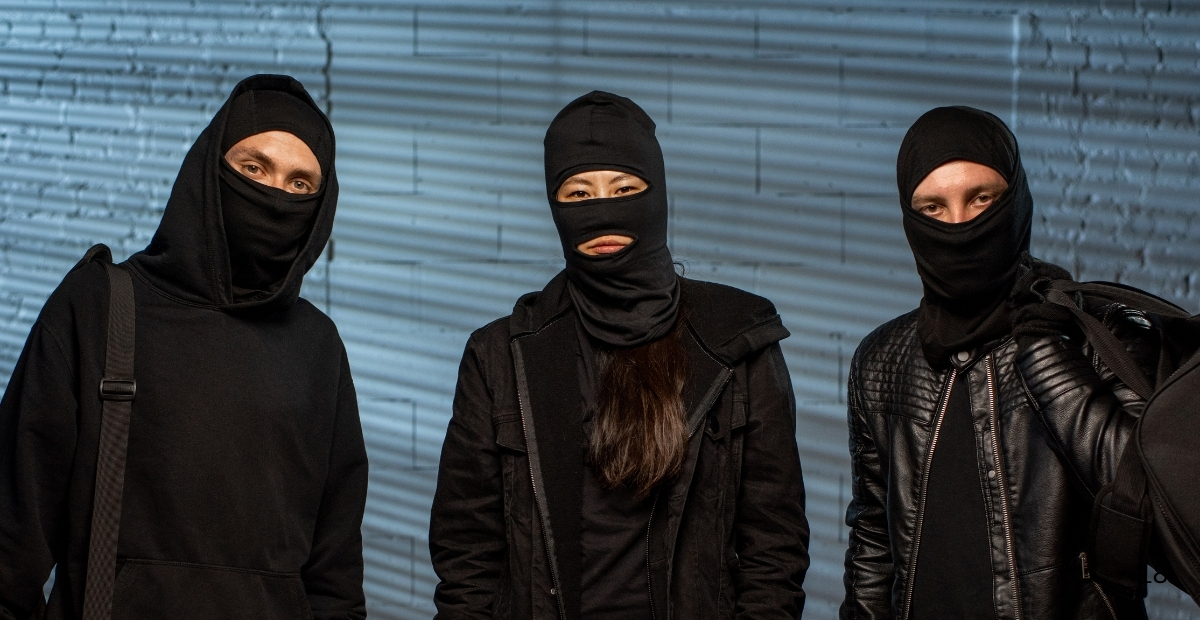
It may seem challenging at first to pronounce the word balaclava, but the history behind the name makes it easier to remember and pronounce correctly. This winter accessory is more than just an article of clothing. It has history, and cultural significance, and fulfills practical needs. Having a complete understanding of what a balaclava is, how it is made, and how to pronounce it, brings value to the many people who wear balaclavas every day and take it for granted.
Table of contents
- How Balaclava is Pronounced
- The Evolution of the Balaclava
- What Is a Balaclava?
- Where and When You Can Use a Balaclava
- The Making Process of a Balaclava
- The Evolution of Balaclavas in Modern Times
- Cultural Significance and Modern Misconceptions
- Tips for Remembering the Pronunciation
- Importance of the Right Pronunciation
- Conclusion
- FAQs
How Balaclava is Pronounced
The correct way to pronounce balaclava is “bal-uh-KLAH-vuh,” with the emphasis on the second syllable “KLAH.” Pronouncing it “bal-uh-CLAY-vuh” is also heard, but it is much less used and is wrong for the vast majority of the English speakers. This is a place-name word, with Balaclava being a small town in Crimea, which is what makes it interesting to pronounce.
In British English, it said more clearly as “bal-uh-KLAH-vuh.” In American English, you might hear a softer tone, but the syllable emphasis stays the same. Breaking it down into syllables–bal-a-kla-va– makes it easy to pronounce.
The Evolution of the Balaclava
The term balaclava is heavily influenced by The Crimean War of 1854. During the Battle of Balaclava, British troops encountered freezing temperatures. The soldiers needed protection for their faces and necks, so local women began knitting warm woolen coverings that could shield their heads and faces. These garments were sent to the soldiers, and soon they were known as “balaclavas,” named after the town where the battle took place.
As time went on, this practical piece of clothing was adopted by reinforcement skiers, mountaineers, and workers in cold regions. What was originally designed for the winter was now considered essential for the outdoors. The balaclava underwent changes, moving from thick wool to lightweight, breathable materials while still providing the same warming and protective function.
What Is a Balaclava?
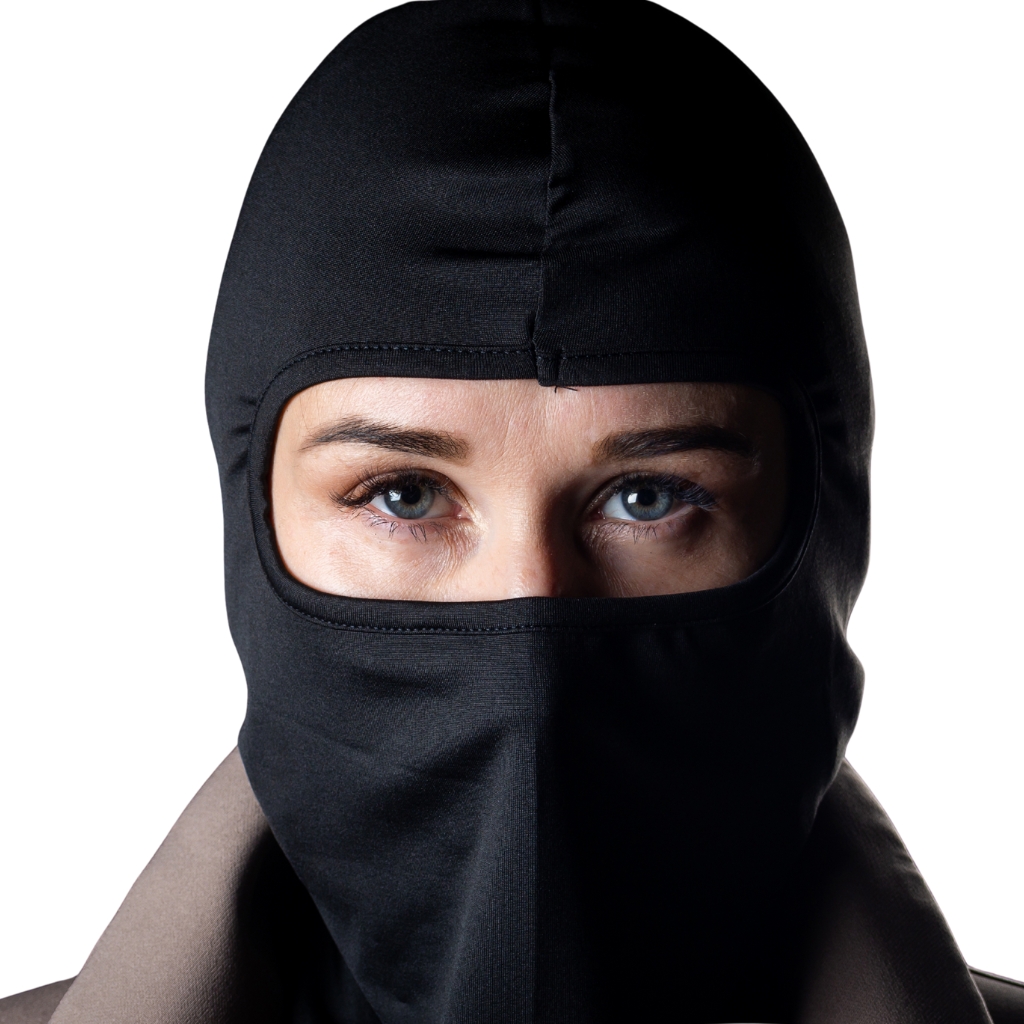
A balaclava is a type of headwear designed to cover the head, neck, and, in some instances, the face, leaving only the eyes, nose, or mouth free. It is sometimes mistaken for a ski mask, but the contexts for each differ slightly. Ski masks are primarily worn during winter sports, while a balaclava british additional purposes, including military uses, motorcycling, and even fashion.
Contemporary balaclavas are available in various materials like cotton, wool, fleece, polyester, and spandex blends. Different fabrics serve different purposes. Wool balaclavas are ideal for extreme cold, while polyester or spandex is preferred for athletes due to the need for stretchy, breathable fabrics. Some designs provide full-face coverage, while others can be rolled down and worn as a neck gaiter or beanie.
read more. What Is a Balaclava
Where and When You Can Use a Balaclava
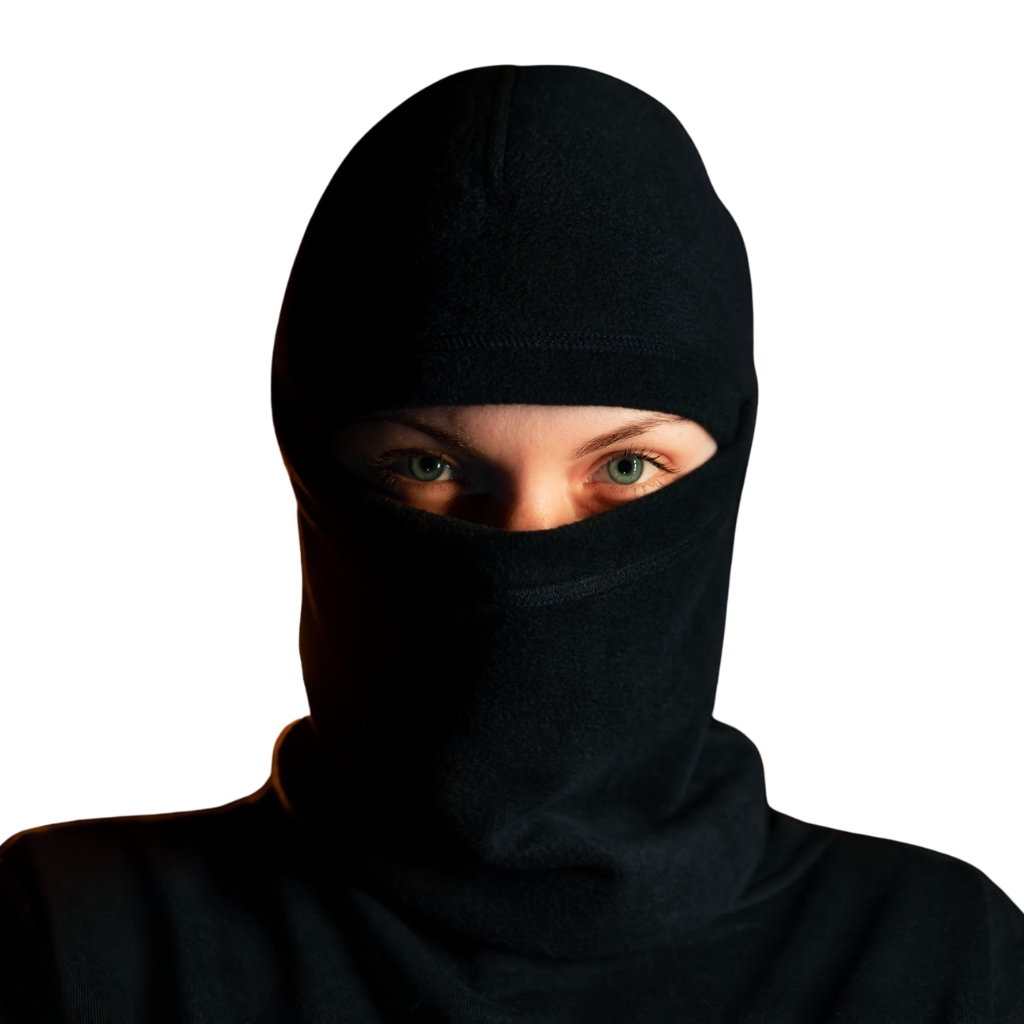
Balaclavas are highly versatile. They can be worn in a myriad of different contexts. Skiers and snowboarders use them to keep warm and protect against windburn. Motorcyclists and bikers wear them to absorb sweat and minimize friction while riding. Hikers, mountaineers, and campers wear them to keep comfortable in freezing temperatures.
In recent times, the fashion industry has incorporated the balaclava into its offerings. It seems the belief that the item is solely utilitarian has been turned on its head. The item seems to be everywhere, from street wear to high fashion, proof that the balaclava has transitioned into a statement piece.
In the winter, people wear them to commute, jog, or cycle. The design allows for warm air to be retained and the breathability tailored to be comfortable for the user at the same time. Balaclavas serve both as a tool for survival and a modern style statement.
The Making Process of a Balaclava
Each balaclava starts with defining their purpose. For winter balaclavas, wool, fleece, or thermal cotton are best as they trap heat. For tactical or sport balaclavas, nylon, spandex, or polyester blends are great as they are stretchable and moisture-wicking.
The fabric is then cut into specific patterns. Most balaclavas are made with a single piece of fabric that wraps fully around the face and neck. The eye, nose, and mouth openings are shaped for visibility and comfort. The edges are then stitched to prevent fraying and to offer a tailored fit.
Some advanced models incorporate seamless knitting technology which further smooths the finish and removes rough edges. This increase in technique also adds comfort and lessens irritation in long term wears. The finished product goes through quality testing in regard to stretch, breathability, and thermal efficiency prior to being sold.
The Evolution of Balaclavas in Modern Times
Original balaclavas were made from simple wool yarn but today’s versions use innovative materials and advanced designs. Balaclavas that are windproof, water-resistant, and even flame-retardant are suitable for extreme conditions. Athletes use lightweight and fast drying variants while outdoor workers use insulated versions for extra warmth.
Increased streetwear and urban fashion popularity has made the balaclava part of everyday clothing. Stylish balaclavas worn by celebrities and influencers has created a modern fashion statement. It has transcended usefulness to now symbolize identity and creativity. The balaclava’s purpose of providing warmth and protection still holds true.
Cultural Significance and Modern Misconceptions
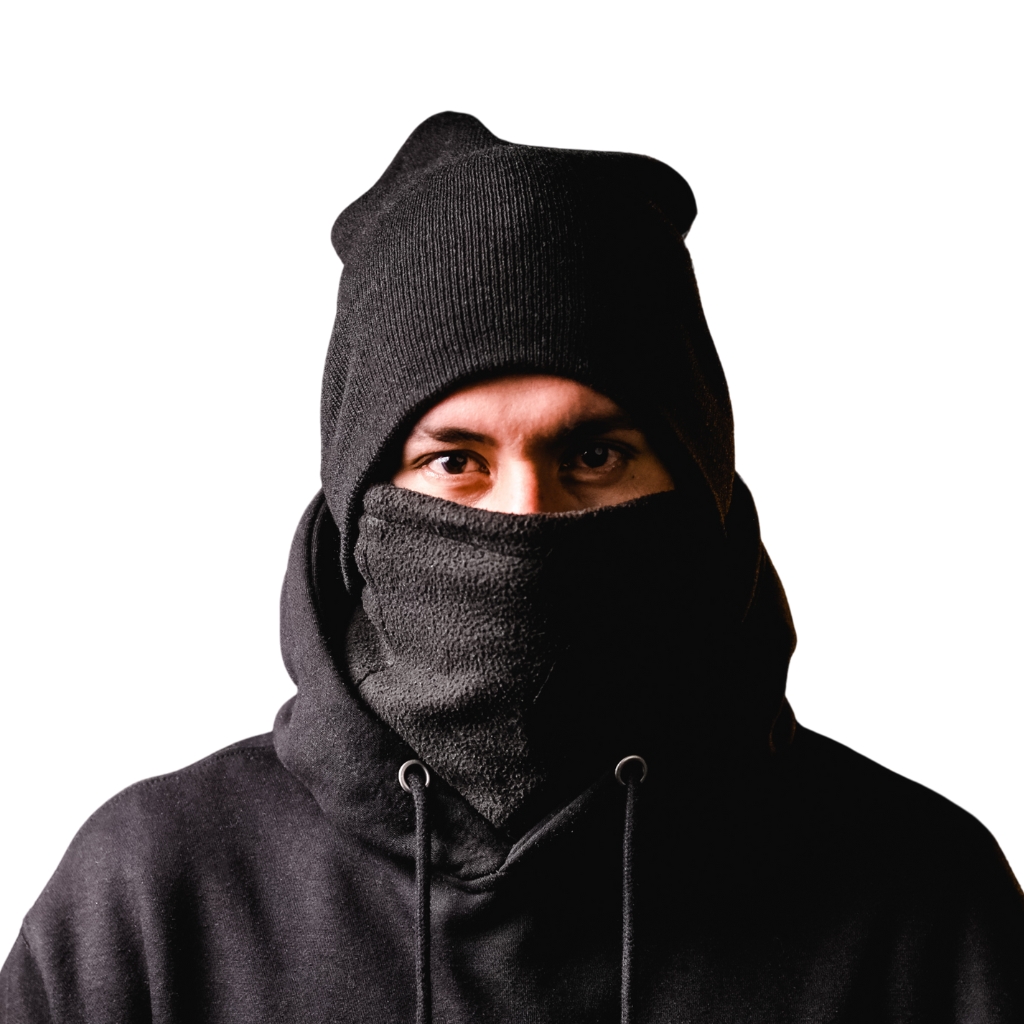
Balaclavas british are practical pieces of clothing. However, due to their face covering nature, they are at times associated with anonymity or crime. This is a misunderstanding. In most situations, they are used for sports, work, and protection, and not concealment. In a number of regions, they are worn for comfort and safety in severe winter weather.
The balaclava’s cultural significance continues to grow. In some art and fashion movements, it symbolizes resilience, adaptability, and, in some cases, defiance. What was initially designed to serve a wartime function, is now a fashionable global style item that holds significance beyond its material components.
Tips for Remembering the Pronunciation
To pronounce “balaclava in GTA break it down into smaller pieces: bal – uh – KLAH – vuh. Try to make it rhyme with “lava.” Start off slowly and repeat it a few times and it will come naturally. Make sure to stress the second syllable: “KLAH.”
Importance of the Right Pronunciation
Saying balaclava correctly reflects proper pronunciation and an understanding of the word’s history and origins. It’s named after a specific place so getting the pronunciation right helps to retain a piece of that historical link. It also helps you in winter clothing conversations, online shopping, or current fashion trends. Knowing how to pronounce the word shows confidence and that you truly understand the subject.
Conclusion
More than a mere winter accessory, the balaclava represents warmth, protection, and evolution. Its name has a rich history that began in the wintery fields of Crimea to modern-day sports, fashion, and everyday life. You can now pronounce balaclava—“bal-uh-KLAH-vuh”—and speak of it with the confidence, appreciation, and respect it deserves for its intricate history and craftsmanship. Balaclavas are among the most practical pieces of clothing ever made, and for that reason, it is timeless. Hopefully, you have yours for outdoor adventures or for feminine style.
FAQs
You pronounce it as “bal-uh-KLAH-vuh,” with emphasis on the second syllable “KLAH.”
It refers to a head covering that protects the head, neck, and face, named after the town of Balaclava in Crimea.
Common materials include wool, cotton, fleece, polyester, and spandex blends.