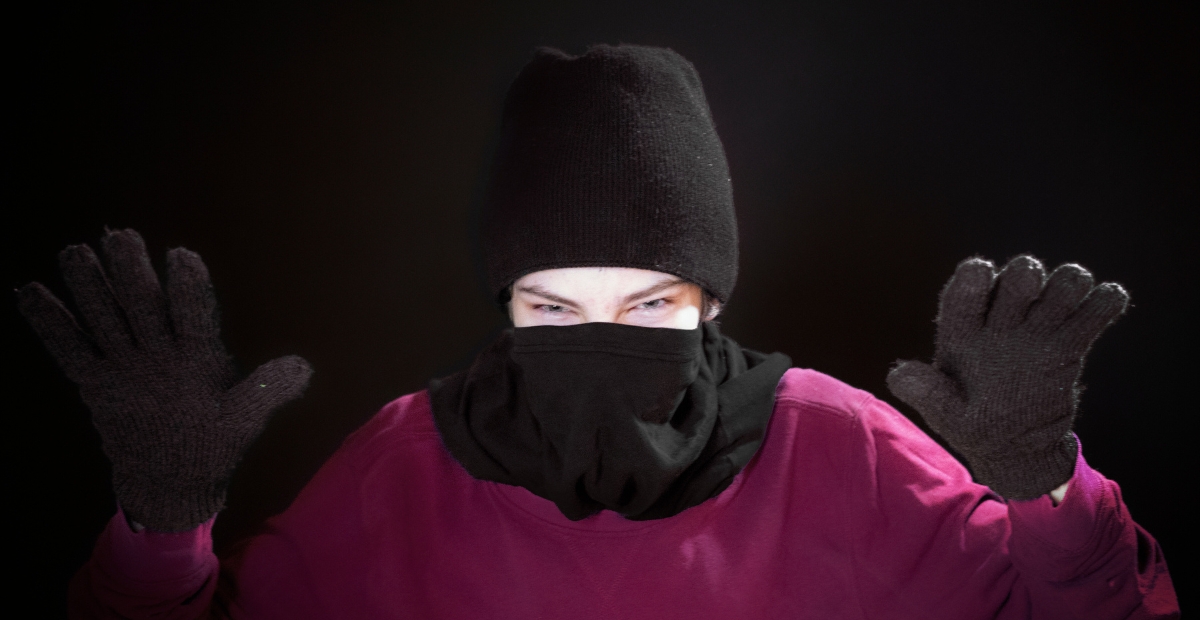
A balaclava serves multiple purposes during the winter season, as it can be used as a piece of clothing or an accessory. It can be used as an accessory for a person’s face, neck, and head for protection against cold, winds, and dust. If you enjoy skiing or biking, or you just want to remain warm during outdoor activities, knowing how to make a balaclava at home can harmonize the elements of style and comfort in one piece that you can craft. This document discusses briefly the history, functions, daily applications, and the simple step – by – step approach to make one.
Table of contents
The Evolution of the Balaclava
The history of the balaclava is both important and fascinating.. It traces its history back to the Crimean War of 1854. This was the time when British soldiers were battling the cold in Balaclava, and civilians back home began knitting warm head coverings, a type of which became known as the balaclava helmet. Soldiers highly appreciated the first balaclavas ever made..
The 20th century was the time when balaclavas became a popular and highly used part of clothing for skiers, mountaineers, and motorcyclists. In today’s era, balaclavas have become a key part of streetwear and appear in the winter collections of high-end designers..
This classic piece of clothing is still admired for its practicality, versatility, and minimal design that can be effortlessly replicated.

What Is A Balaclava?
A balaclava is a close-fitting piece of clothing that covers the head and neck while leaving the eyes and part of the face exposed, depending on the style. It is a lightweight neck mask that merges the functions of a hat, scarf, and mask.
Although people traditionally made balaclavas from knitted wool, they now use blends of cotton, fleece, polyester, and spandex. These modern fabrics are warm, breathable, and stretchy, which accommodates winter and activewear.
Various shapes exist, some fully enclose the face, while others leave the front open, or are made adjustable. This versatility means a balaclava can accommodate a range of activities.
read more. What Is A Balaclava

Where You Can Use A Balaclava
You can use a balaclava in a variety of places.. In cold weather, they help retain body heat and provide warmth for people in the outdoors. It is a popular protective clothing for outdoor workers, athletes, and travelers against the wind, snow, and sun.
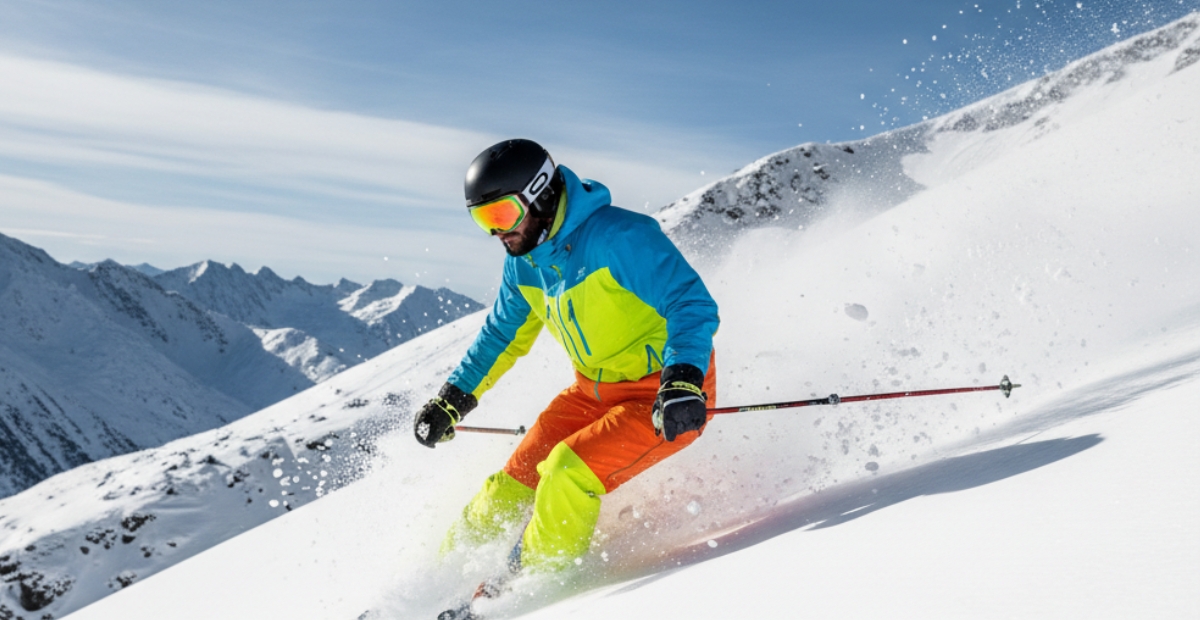
While skiing or snowboarding, people wear them to stay warm. Cyclists and motorcyclists wear lighter, more breathable versions to cover their faces to avoid dust and debris. People who hike and camp use them to add layers during cold nights.
Balaclavas have also become a fashion statement. Designers create bold balaclava accessories to express individuality and style. Streetwear enthusiasts wear them with a coat, hoodie, or jacket to attain a modern, edgy look.
Even in a city, a balaclava provides warmth and privacy, while also giving a person a confidence boost.It is one of the most flexible pieces of gear that people use for style, sports, and outdoor work..

The Making Process: How to Make a Balaclava at Home
Making your own balaclava is a fun and simple DIY project. It does not require advanced sewing skills or pricey tools. A few materials and some dedication will give you a custom piece that fits well and shows your style.
Start with choosing your fabric. If you plan to use the balaclava in winter, choose warm and stretchy materials like fleece, wool, or knit cotton.. If the balaclava is for sports or other outdoor activities, go for moisture-wicking polyester or spandex blends that dry quickly.
You can also make your own pattern or template. You can either trace a balaclava or create a design of your own using a sheet of paper. A template ordinarily has two main components—one for the face and one for the back of the head and neck. Remember that the fabric must stretch horizontally for comfort.
When the template is complete, carefully cut the fabric pieces. Place the pieces so that they align and match. Then, sew the pieces together along the seams. If you’re using a sewing machine for the balaclava fabric, set the machine to zigzag or stretch stitch for a bit of movement on those seams. If you are sewing by hand, use small, tight stitches to create a border that will add to the durability of your design.
When you finish sewing, turn the balaclava inside out so the seams stay hidden. Try the design on and check. Adjust the cutouts for the eyes, nose or mouth as necessary. You can also fold the edge and sew it to create a hem, or add an elastic trim to complete the construction of your balaclava.
You can personalize your balaclava’s construction by adding color accents, embroidery, or logos. This is the period during which the design is complete and your balaclava is ready to wear. You can be confident that it is of the construction of the balaclava is exactly to your comfort.
Choosing the Right Fabric and Fit
Homemade balaclavas are easy to make and wear when you choose the right fabric. Wool and fleece make balaclavas warmer, while cotton keeps them comfortable and breathable in cold climates. Use materials like fleece and wool to make warmer pieces, and cotton for cooler seasons. Moisture-resistant materials like nylon and polyester absorb sweat, making them ideal for athletic balaclavas.
Your balaclava should fit snugly, as to ensure it is not too lose and won’t flow in the wind. The balaclava should regulate the gap, and warm, moist, air to ensure fog won’t accumulate on your eye wear.
Your fabric should be prewashed to avoid any issues with sizing and shrinking and the correct shape will be maintained.
Maintaining Your Balaclava
For proper maintenance, your balaclava should be washed as per the fabric type. Wool, and fleece should be washed with cold water, occasionally, and gently with soap. Air drying is preferred with the fleece lying flat.
When washing fleece, the machine can be set to a gentle cycle while the fleece is in the machine. Avoid grade and chlorine as they destroy the fabric, and bleach and other strong chemicals will also destroy your balaclava.
If your balaclava or ski mask starting to lose its shape, don’t replace it, just restitch along the seams for a quick fix. This can be seen as maintenance as opposed to waste, especially with a workpiece to keep it sustainable.
Balaclava as a Modern Essential
The balaclava is a perfect example of how a military essential can be turned into a lifestyle accessory. Its multifunctionality, creativity, and ability to be a self-expression tool gives the wearer the choice to use it for warmth purposes, a fashion statement, or a cultural identity marker.
Currently, fashion influencers and outdoor enthusiasts are seen sporting them in vibrant shades and extravagant designs. Some juxtapose them with sunglasses and jackets for a statement while others keep it understated and neutral as a minimalist.
Being able to design and create your own balaclava gives it a personal touch and allows you to modify it based on your requirements, weather, and preferences. It allows you to meld your architectural work with a piece of comfort at the end of the day
Conclusion
The process of creating a balaclava at home is closely linked to a historic and creative function. It is a reminder that the balaclava served a purpose during the Crimean War and still inspires and serves in the fashion of today. With your styled piece, and a little patience, you can remain fashionable while showcasing your creativity.
A handmade balaclava provides lasting comfort whether you use it for winter warmth, outdoor sports, or everyday wear, and a sense of accomplishment for the crafts person. After you learn how to make a balaclava, you admire its design and multifunctional appeal even more.
FAQs
Fleece, wool, and polyester blends work best. They provide warmth, flexibility, and comfort.
Yes. Hand sewing with a strong thread and tight stitches works perfectly for homemade designs.
Yes, as long as it allows proper airflow and comfort. Breathable fabrics prevent overheating or discomfort.