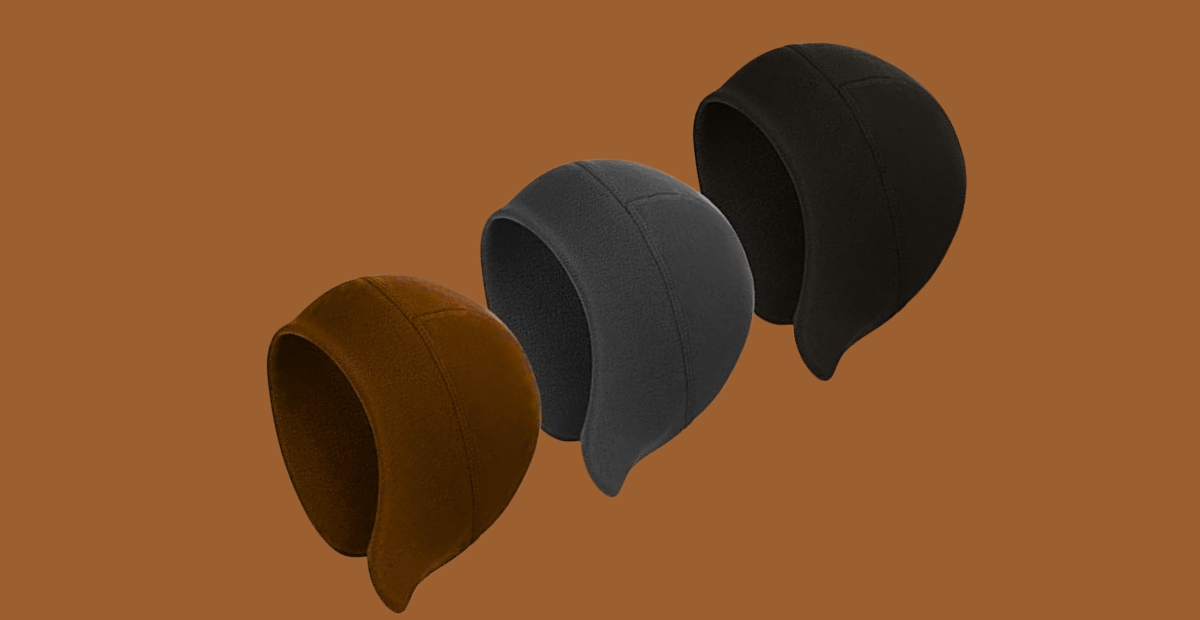
As temperatures plummet during winter, head warmth becomes a necessity rather than just a comfort factor. Since a large portion of body heat is released through the head, efficient headwear becomes essential in extremely low temperatures. Fleece hats have have made a name for themselves in winter fashion for the perfect blend of insulation, softness and practicality. Fleece hats are perfect for any occasion as they provide exceptional warmth without the added bulk found in other hats. Whether online work, taking a walk in the snow, or just doing daily chores, a fleece beanie will keep you will protected and allow you he the enjoy the softness and comfort without any added heat.
Table of contents
- What Exactly Is a Fleece Beanie?
- Comfort and Warmth from Fleece Fabric
- Key Features of a Quality Fleece Beanie
- Benefits of Wearing a Fleece Beanie in Cold Weather
- Fleece Beanies vs Knit Beanies
- Best Weather Conditions for Fleece Beanies
- different styles and how to use them
- How to Take Care of Your Fleece Beanie
- How to Pick the Right Fleece Beanie
- Conclusion:
- FAQs
What Exactly Is a Fleece Beanie?
A fleece beanie is a type of winter hat that is made from a specific type of fabric called fleece: a material that mimics wool as far as softness and abilty are concerned, while also retaining the ability to provide insulation. These beanies have a close-fitting design that covers the entire head and ears, sealing in body heat and blocking externally generated cold air. There are a variety of fleece beanie styles, with different attributes such as being a skull cap, being cuffed, or being designed to cover the ears. These designs make the beanie suitable for a variety of preferences and activities. The beanies are also very flexible and stretchable, so they can adapt to a variety of head sizes and shapes without being constricting or uncomfortable.
Comfort and Warmth from Fleece Fabric
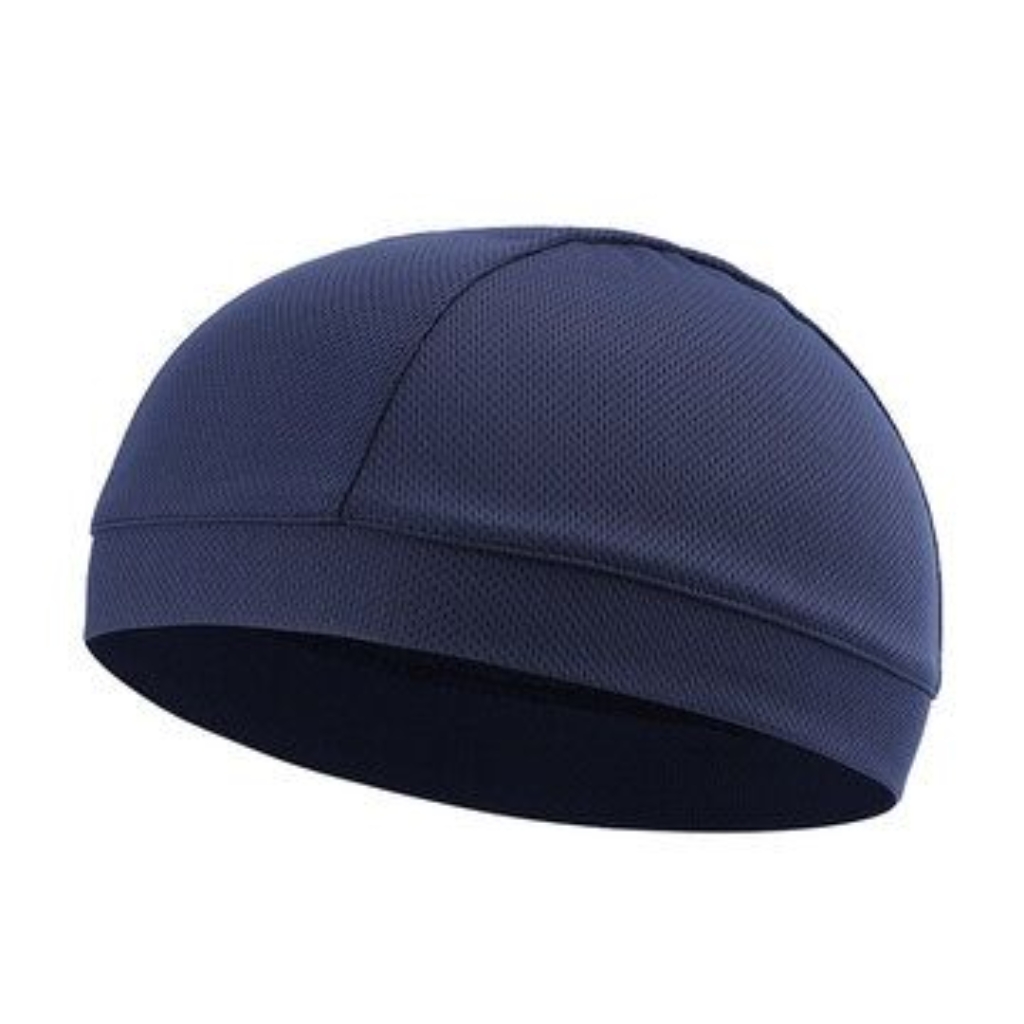
The internal structure of fleece material traps insulation while still allowing heat and moisture to escape. Its textured surface forms tiny air pockets while helping release excess warmth. The fibers that rest directly against the skin feel lighter and smoother than wool or other natural fibers, which many people flat cap uncomfortable or itchy to wear. The arrangement of fleece materials make the design to be a comfortable solution to the issue of moisture around the head, while not being excessively damp and cold.
Key Features of a Quality Fleece Beanie
A fleece beanie is a versatile winter accessory, but manufacturers don’t create all of them to the same standard. Brands carefully craft quality fleece beanies to deliver durability and longevity. Beanies constructed using a thick and dense fleece offer better insulation and breathability. Considering the construction of the beanie is important. Beanies with flat seams or seamless construction reduce irritation and feel more comfortable during wear. Designing the beanie with a shape-holding stretch retention will allow the fleece beanie to maintain its construction after repeated wear. Additional features, like soft fleece liners, wind-resistant fleece, or ear coverings wool visor enhance additional functionalities. Beanies designed with quality stitching ensure their longevity, even after several washes.
Benefits of Wearing a Fleece Beanie in Cold Weather
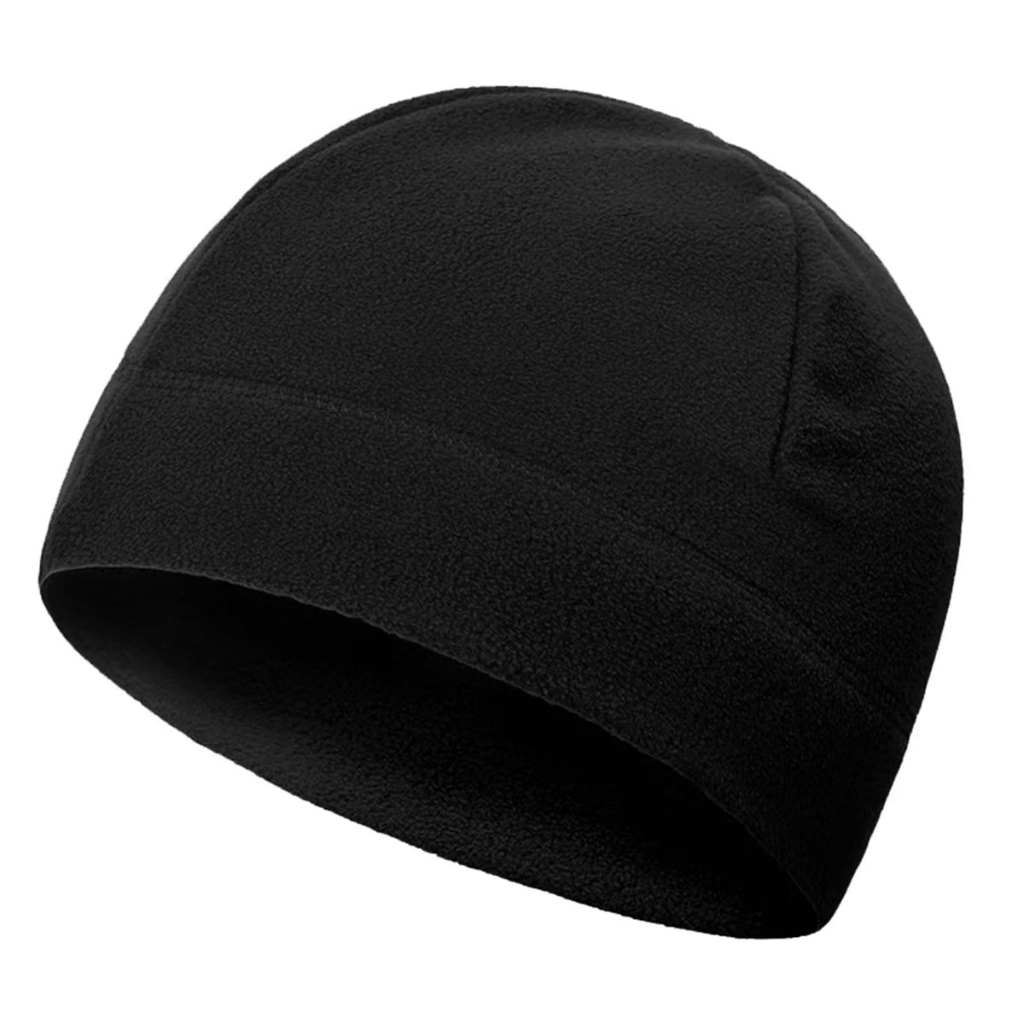
Wearing a fleece beanie during winter has several benefits. Fleece beanies offer feel soft and comfortable while providing insulation, and wear resistance. These beanies will not irritate the skin, and are not dangerous for those with skin sensitivities. Fleece beanies are perfect for winter activities like skiing beret cap of their fast drying nature in the case of water or snow exposure. Unlike other materials, fleece beanies are breathable and regulate temperature effectively while you wear them. For those who are especially active in winter and turn to activities like winter jogging or power hiking, a fleece beanie is perfect. Fleece materials are thin and offer the ideal cargo for a winter trip.
Fleece Beanies vs Knit Beanies
Both knit and fleece beanies may keep you warm, but they do have a few differences in terms of how they perform and how they feel. Fleece beanies are lightweight and are great for managing moisture, making them better for active endeavors and unpredictable weather. Knit beanies may provide a more aesthetically pleasing option, and although they may feel warmer, they tend to get heavy when wet, and they may visor cap a looser fit and cause more heat loss. The choice really comes to whether you are looking for fleeces versatility, active wear performance, and moisture management or knit’s more classic style.
Best Weather Conditions for Fleece Beanies
The balaclava weather for fleece beanies is when it is cold, dry, and moderately windy. A fleece beanie is great for fall and winter, especially in between seasons when the weather is extra tricky and you need to stay warm, but do not want to overheat. Snowy weather is great for fleece beanies since they dry quickly and resist moisture. In extreme cold or windy weather, you may need to pair the beanie with a hood or a full layering system for added protection.
different styles and how to use them
You may need different fleece beanies for various situations and styles. Wearing a fleece beanie is easy and works well for almost any occasion. Slouchy fisherman hat beanies give off a more relaxed while still keeping you Cuffed fleece beanies give off a more relaxed and casual look while also keeping the ears warm A low-profile fleece beanie works well for layering and provides a snug, secure fit. Some styles offer extra coverage with ear flaps or insulated panels for added warmth. People wear fleece beanies for everyday use as well as a wide range of activities. You can easily wear a fleece beanie for almost any occasion, making it a practical and versatile accessory. If you are going for a more relaxed look, you can put a fleece beanie with a puffer, winter coat, or a fleece.
How to Take Care of Your Fleece Beanie
The softness and performance of fleece beanie can be preserved when proper care is taken. Wash using a gentle cycle in cold water to reduce the likelihood of damage to the fabric. Do not use fabric softeners because fleece is moisture-wicking and softeners interfere with that. To preserve the shape and elasticity of the beanie, air drying is recommended, though a low heat tumble dry is typically safe. The fleece material is fresh and cleaning gambler hat is recommended to prevent odor from building up. With the right care, a fleece beanie can last many winters.
How to Pick the Right Fleece Beanie
You will have to consider how and where you plan to wear the fleece beanie to choose the right one. For casual use, go with a fleece beanie that is light and fits well. If you are outdoors and active, select from beanies that have moisture control and breathability features. If you are in colder weather, you will want to have thicker fleece beanies or those that cover the ears. It is important that the beanie is snug, but not too snug. Thin sleeves, color, and style should match your personal taste.
Conclusion:
Fleece beanies are ideal in balancing warmth and comfort for cold weather. The light construction and insulating properties are ideal for everyday and outdoor versatility. Whether you are battling wintery winds or a chilly morning walk, beanies are perfect in keeping you warm and comfortable. With the right style and proper care, you can experience the beanie’s benefits for multiple seasons.
FAQs
Yes, fleece beanies trap body heat effectively while remaining lightweight, making them ideal for cold and moderately windy winter conditions.
Absolutely. Fleece beanies are breathable and moisture-wicking, which makes them great for hiking, running, and other outdoor activities.
Fleece beanies provide better moisture control and lightweight warmth, while knit beanies focus more on style and traditional insulation.