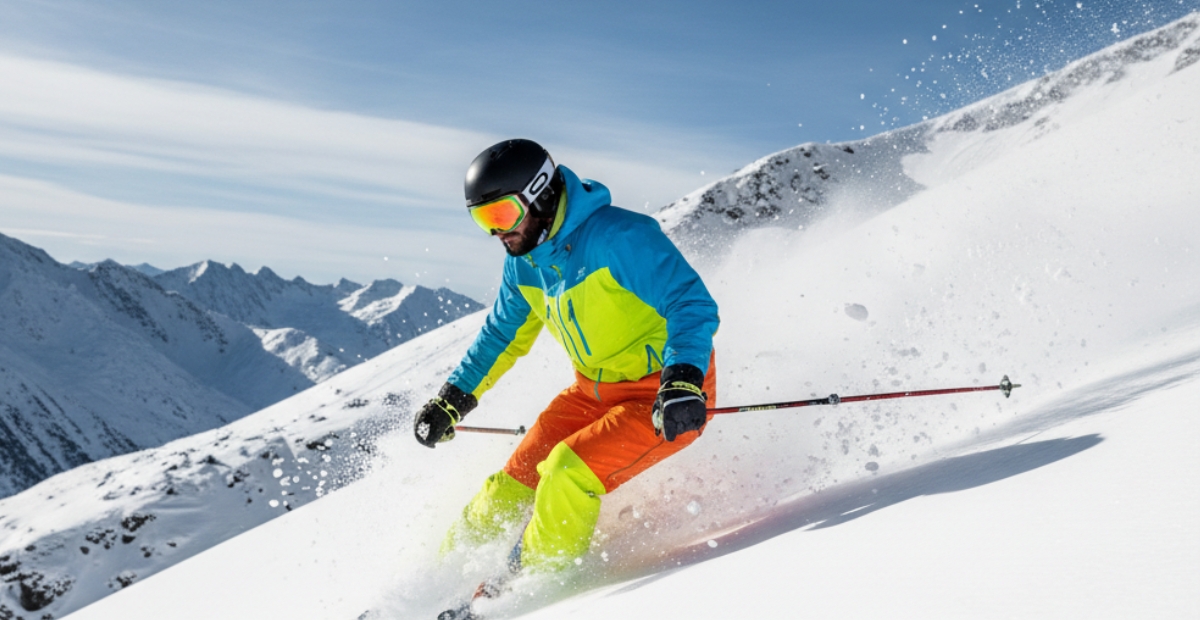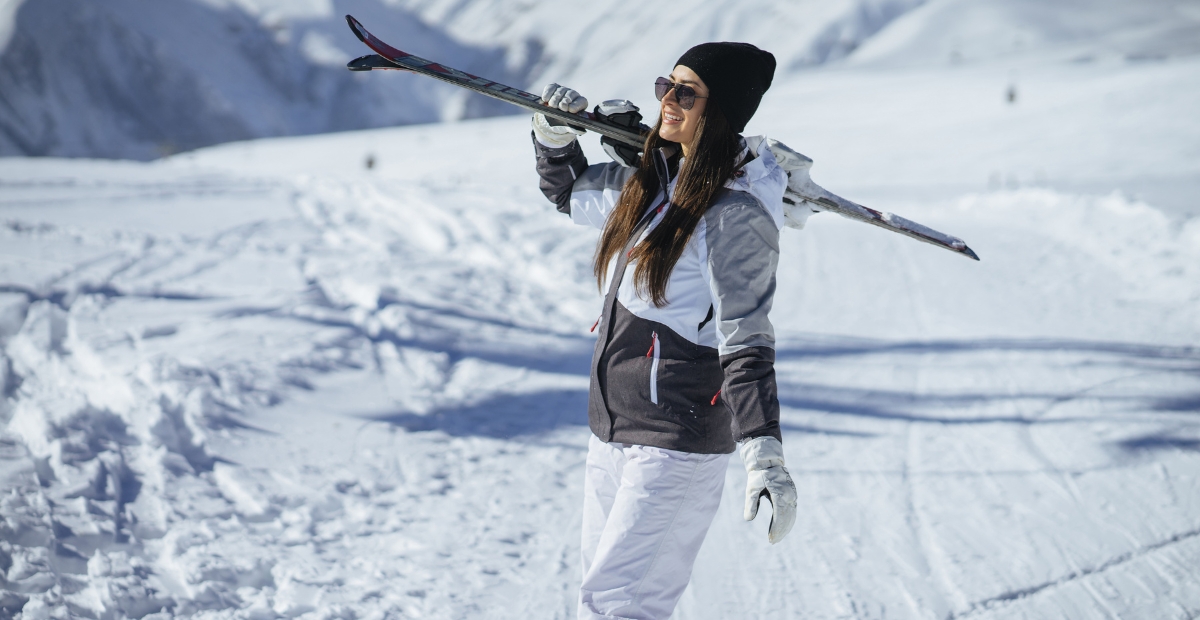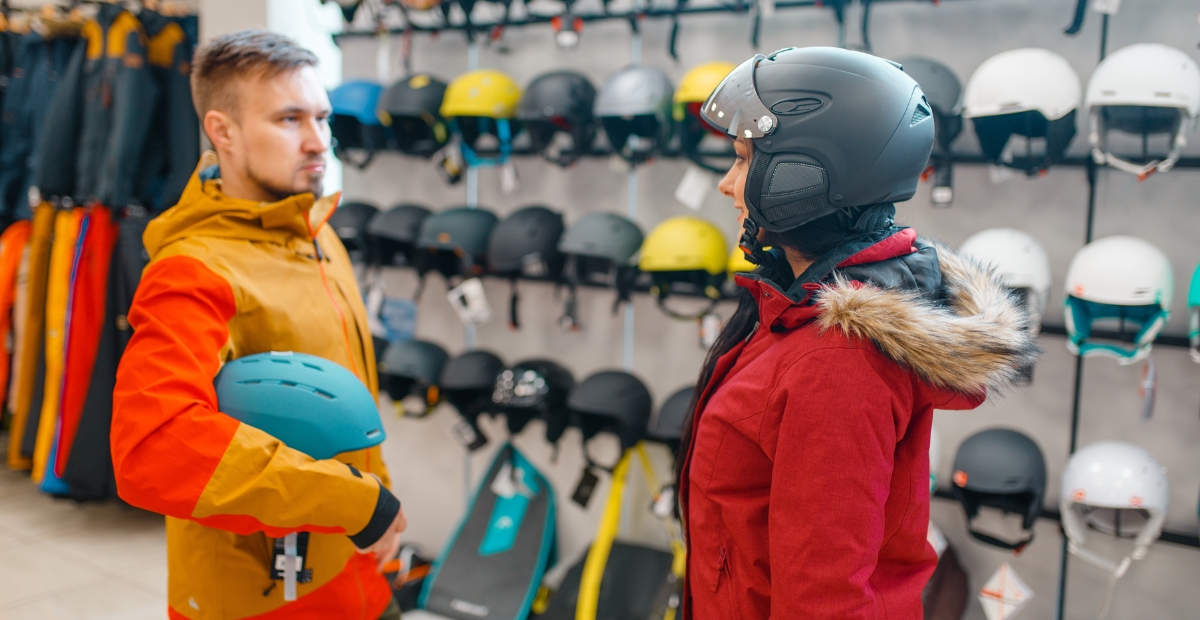
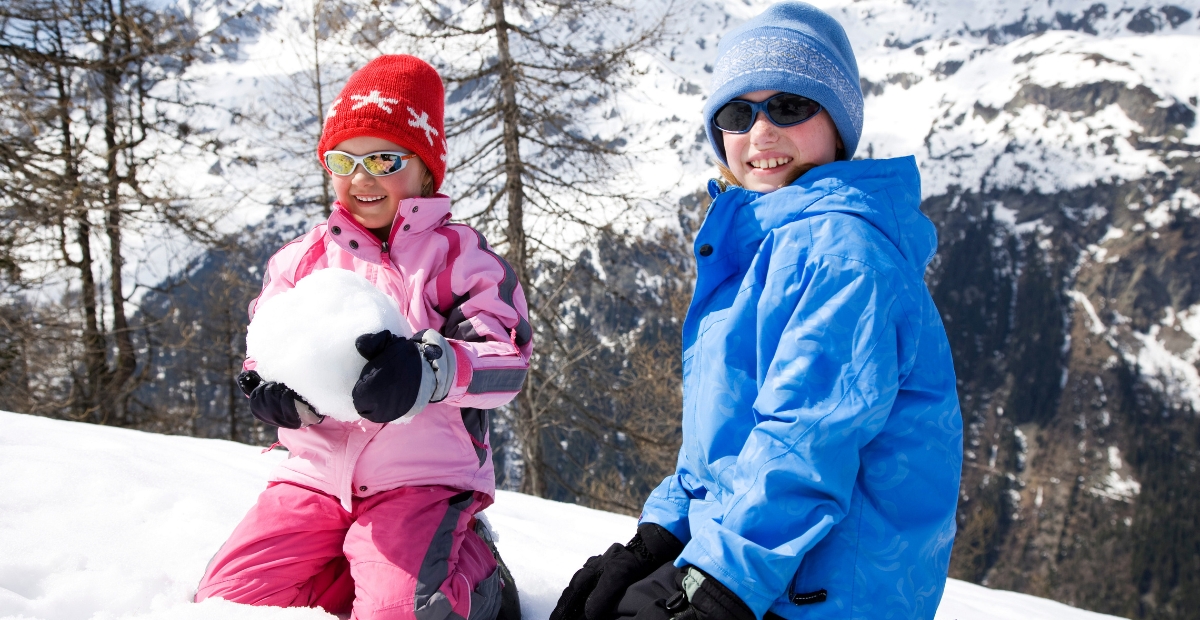
Children enjoy winter sports, and skiing is often one of the most exhilarating activities for them. However, there are many challenges that parents face, particularly in relation to concerns about staying warm, dry, and safe on the slopes. Children have an even greater sensitivity to cold and wet conditions, and can quickly become uncomfortable and even face hypothermic risks. Choosing appropriate clothing for skiing is a matter of style. It is a protective safety and comfort concern, and concerns for the enjoyment of the sport. Insulated jackets, waterproof snow pants, and the entire system of gloves and warm hats are all equally important components of protective clothing systems.
Table of contents
- Why Quality Ski Wear Is Needed for Children
- Insulation, Waterproofing, and Fit of Ski Jackets
- Weather Protection, Mobility, and Comfort in Ski Pants
- Base Layers for Kids: The First Line of Warmth
- Mid Layers and Fleeces: Lightweight Insulation for Young Skiers
- Gloves, Mittens, and Hand Warmers: Protecting Tiny Hands
- Ski Hats, Balaclavas, and Helmets: Ensuring Head Safety and Warmth
- Footwear and Socks: Keeping the Little Feet Cozy and Dry
- Ski Wear Materials Age Appropriateness
- Waterproof and Breathability: Children Ski Wear That Keeps Them Dry and Regulated
- Modular and Adjustable Kids Ski Wear
- Bright Colors and Reflective Gear: Safety on Busy Slopes
- Layering Techniques: Easy Ways to Keep Children Warm
- The Impact of Proper Maintenance and Cleans on Kids Ski Gear Longevity
- Finiding Quality Ski Wear for Reasonable Prices
- Eco-friendly and Sustainable Ski Wear
- Scarves, Neck Warmers, and Goggles: Matching Accessories
- Choosing Corresponding Ski Wear per Activity Level and Skill
- Conclusion
- FAQs
Why Quality Ski Wear Is Needed for Children
For kids, ski wear sale is a safety and comfort necessity. Children ski in poor quality clothing, ski wear that is insufficient in quality, and safety and comfort, for poor quality clothing can lead to discomfort, lead to illness, and hypothermia. Good quality ski wear offers insulation, durable waterproofing, and breathable fabric. Reliable and well constructed ski wear, gives peace of mind for parents and ensures that the ski wear can withstand repeated use and the active rough nature of play throughout multiple seasons.
Insulation, Waterproofing, and Fit of Ski Jackets
Jackets designed for skiing need to have a solid fit in order to keep children comfortable and safe. Ski jackets can be a bit more flexible in terms of fit as long as it leaves enough room for layering. Insulation can be added, whether it be down or some synthetic type, which in combination with some quality waterproof materials may add to the jackets functionality. Specs like adjustable hoods can add to the protection, and overall ski jacket construction will help show whether it will keep snow, cold air, and moisture out, or whether it will allow for full range of movement.
Weather Protection, Mobility, and Comfort in Ski Pants
The combination of insulation, waterproofing, and mobility found in ski pants, and in particular, ski bibs, provide children with the protection and comfort for all of the activities outdoors. Anatomical, or articulated, knees and flexible waist bands allow all children, and in particular active and playful children, to have the ski mobility and protection from all of the activity in the snow. Select ski pants for their activity breathability features in order to keep the sweat from building up and zara kids ski wear and to allow for all of the activity to build up a protective layer.
Base Layers for Kids: The First Line of Warmth
A properly fitted, high-quality base layer is an important part of any child’s winter layering system. Base layers keep your child warm by trapping heat, and help with temperature regulation by providing moisture-wicking. A build up of moisture from within your child’s base layer can lead to an uncomfortable, cold environment. A cold environment can lead to dangerous consequences from both heat and moisture buildup. Merino wool, polyester, and similar materials provide moisture-wicking qualities, and the materials are built to keep your child warm. Your child must be comfortable in the base layer. The materials must be soft, and the construction of the base layer must be non-restrictive to movement.
Mid Layers and Fleeces: Lightweight Insulation for Young Skiers
Young skiers can need added quality construction with added flexibility with materials and construction to keep their temperature ideal with puffs of insulation. These layers keep heat close and provide temperature-regulating flexibility. Children can wear insulative materials such as down, fleece, or synthetic layers, adding extra warmth during evening or weekend skiing. The design combines puffs of insulation with flexible fabrics to maintain comfort and regulate temperature. High-quality construction ensures the materials perform well in colder conditions, keeping children warm while allowing freedom of movement.
Gloves, Mittens, and Hand Warmers: Protecting Tiny Hands
Hands are especially susceptible to cold weather, so high quality mittens and gloves are important to prevent frostbite and enjoy the slopes. Mittens are better than gloves for small children, because mittens keep the fingers warmer by keeping them together. Waterproof and insulated mittens will keep fingers dry and warm. Hand warmers and heated gloves are great additional options for extreme weather conditions to keep children’s hands warm and functional for long periods of time while skiing.
Ski Hats, Balaclavas, and Helmets: Ensuring Head Safety and Warmth
A large amount of body heat escapes from the head, so hats, and helmets are essential for children while skiing. Ski helmets are important for safety for falls or crashes, while insulated hats or balaclavas underneath the helmets add warmth without bulk. Use of soft and breathable top men’s ski wear will help to prevent sweating while keeping the kids insulated. Select items that are adjustable for a secure fit and to accommodate for growth to keep kids warm and safe during winter weather.—
Footwear and Socks: Keeping the Little Feet Cozy and Dry
Quality socks and footwear is essential in order to keep children’s feet warm and dry when skiing, as cold or wet feet can negatively impact the entire experience. Snug, but not too tight, moisture-wicking ski socks play an essential role. Insulated socks, which are ward off snow and cold while also skiing, are essential. To ensure the Alignment is correct, appropriately sized boots are necessary, to reduce the risk of blisters. Proper socks and boots are necessary for layering as well as movement, and will prevent any bulkiness that will hinder movement.
Ski Wear Materials Age Appropriateness
Skiing children’s wear must prioritize p protective, lightweight and flexible materials that are suited for ski activities. Materials ski wear should be warm, protective, and to be less irritating to the sensitive skin of the children, while also being lightweight to ensure mobility. Flexible ski wear also incorporated lightweight stretch materials, and insulation that is warm but lightweight, while also being wind and water protective. Other ski wear materials incorporated are soft linings, flexible joints and reinforced areas of the ski wear.
Waterproof and Breathability: Children Ski Wear That Keeps Them Dry and Regulated
The outer layer of high-end ski wear allows children to remain dry and achieves the optimal regulation of temperature. High outer layer quality prevents the absorption of snow and moisture whilst allowing the escape of surface sweating. Protective-stifling breathable mesh maintains the moisture of the skin and the chill of the moisture, due to the snow surface of the winter. The venting features of the outer ski wear heat of the ski wear due to high activities. The extremes of the outer layers of the ski wear are the most important elements to the use of the ski wear. Children are stressed by the elements of the winter and due to extreme layers of the ski wear, are warm and protected
Modular and Adjustable Kids Ski Wear
The adjustable features of ski garments are a winter season’s worth of investment for an average child. The adjustable cuffs, hems, and other features allow the ski wear to be used for multiple winter seasons. The ski wear has cohesion systems and other elements to the ski wear to ensure that the child does not lose ski garments season after season. Modular systems of ski apparel ensure children ski apparel does not lose ski.
Bright Colors and Reflective Gear: Safety on Busy Slopes
Kids, like everyone else, require appropriate visibility and attention to safety on the slope. Bright, highly reflective and visually striking gear helps parents, instructors and others on the slope to keep track of and keep kids out of harm’s way. Garments with reflective accents and hi-vis fabrics reduce the likelihood of accidents as well as making it easier to supervise kids during play and lessons; functional safety design can also provide some trendy options to kids as well.
Layering Techniques: Easy Ways to Keep Children Warm
In thermoregulation, layering is the most basic transformational technique applicable to skiers of all ages, enabling the adjustment of levels of warmth on the body. Parents can, and probably will, provide base and mid layers, as well as jackets and trousers of the appropriate outerwear, to manage sweating during warm spells and insulate when the temperature drops, making it easier for kids to ski. Demonstrating to kids proper layering techniques equips them with the freedom of learning how to choose the right step to keep themselves comfy on the slopes.
The Impact of Proper Maintenance and Cleans on Kids Ski Gear Longevity
The longevity of children’s ski clothing is impacted by how they care and maintain them. Following the washing instructions of ski wear manufacturers, taking the time to re-apply waterproof treatments, and storing ski wear properly will avoid the wear of insulation and the water repellency of ski gear. Ensure ski wear continues to be effective, safe, and comfortable ski season after ski season. Teaching children the responsibility of caring for their ski gear by drying their ski boots and properly storing their gloves will help in the preservation of the ski gear’s value.
Finiding Quality Ski Wear for Reasonable Prices
Parents can find and buy quality ski wear for their children ski gear by justifying the and sets of features and employing strategic smart shopping. Parents can also ‘invest’ on performance, durability, and cost effective ski ski gear for their children by buying their children ski gear from ski gear outlets, ski gear sales and also ski gear multi season. They can also buy ski gear that is budget effective and also consists of durable and layered ski gear that will ensure their children will be warm and safe ski season after ski season.
Eco-friendly and Sustainable Ski Wear
Because of the nature of the industry, kid’s ski wear UK designers and manufacturers are starting to use ski wear made from eco-conscious materials like recycled nylon and polyester, responsible insulation, and other materials to mitigate the impact of ski wear. A long-term, sustainable, repairable, and durable design aligns perfectly with the quick growth and fast pace of children. Eco-friendly options reinforce environmental activism with protection, while the child and conscience are perfectly comforted.
Scarves, Neck Warmers, and Goggles: Matching Accessories
Accessories are crucial to provide the complete warmth and protection needed. Scarves and neck warmers protect the critical heat loss areas. Goggles protect the eyes from UV exposure, and the snow glare and wind. The coordinated, complete set of ski wear and accessories provides the freedom to be visible on the slopes and kids’ ski wear provides the complete protection. Well fitted ski accessories sector the child’s attention to snow and fun to ski, without irritation to the gear.
Choosing Corresponding Ski Wear per Activity Level and Skill
Children’s ski wear should correspond to their skill level and various degrees of activity. For example, beginners may need insulated snow suits with forgiving designs. As skiers advance, they need flexible ski pants and performance vests to maximize mobility. From casual play to strenuous skiing, varying levels of activity require ski wear to have different degrees of ventilation, reinforcements and insulation. A well-balanced ski outfit will ensure each child’s safety, warmth, and will enhance their enjoyment to help build their confidence and skills on the slopes.
Conclusion
Choosing appropriate ski wear for children is more than finding a cute outfit for them. It’s a valuable investment in their comfort, safety, and enjoyment on the mountains. Quality pants and jackets, as well as base layers and accessories keep young skiers dry and protected from the all the weather elements. ski wear that features adjustability, designs that accommodate growth, and durable fabrics offers practical longevity.Parents can help their children confidently explore the snow, whether they are beginners or advanced skiers, by prioritizing waterproofing, insulation, and breathable ski wear. Proper layering, the right accessories, and well-maintained ski wear make snow adventures enjoyable. By making thoughtful investments, parents can nurture their children’s passion for winter sports and the outdoors, keeping them warm and dry season after season.
FAQs
The most important features are insulation, waterproofing, and breathability to keep kids warm, dry, and comfortable on the slopes.
Choose adjustable jackets, pants, and bibs with extendable cuffs, hems, and straps to accommodate growth and multi-season use.
Yes, they improve visibility on busy slopes, making it easier to spot children and enhancing safety during skiing or snow play.