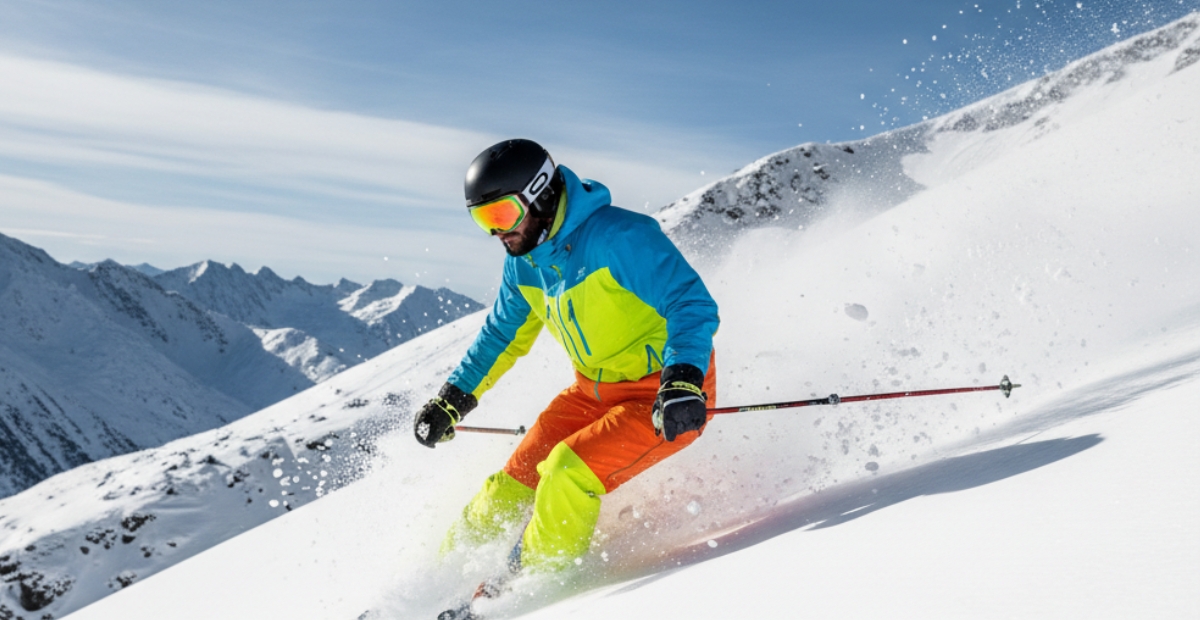
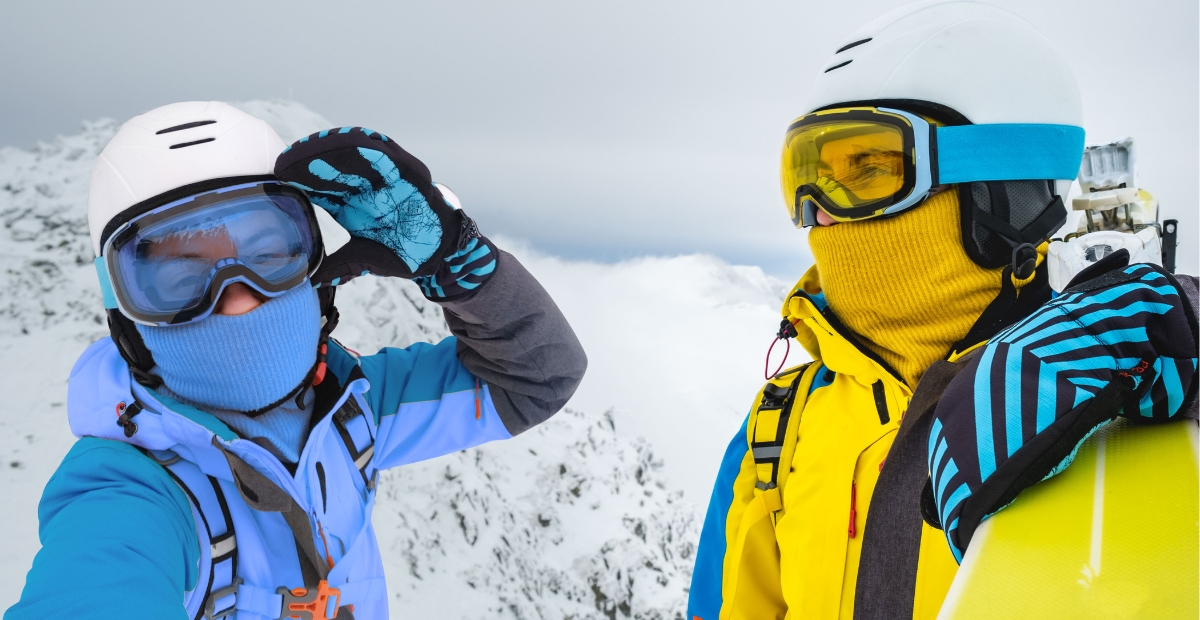
Skiing down icy slopes while strong winds blow can be uncomfortable if not painful because the face is the first part of the body to suffer directly from the cold.
Discomfort and even frostbite can occur when the cold air, high speeds, and moisture from the snow combine. This is exactly when a balaclava is a critical part of addiction to your ski gear. It keeps you warm, protects the skin against the skin of cutting winds, and offers added comfort for long duration ski sessions. The experience of skiing is more enjoyable when a balaclava is worn, and it is not coincidence, as it is for the ski balaclava to
Table of contents
- History of the Balaclava
- What Is a Balaclava?
- Why Skiers Wear Balaclavas
- Other Activities Where a Balaclava is Beneficial
- Process of Making Ski Balaclavas
- Different Skiing Balaclavas
- Advantages of Wearing a Balaclava While Skiing
- Factors to Consider When Selecting a Balaclava for Skiing
- Ski Balaclavas Care and Maintenance
- The Role of Balaclavas in Modern Skiing Culture
- Conclusion
- FAQs
History of the Balaclava
To find the history of the British People balaclava you have to go 19th century Crimean War. The winter soldiers in the eastern part of the country were fighting near a small town called Balaclava. The soldiers in the winter were given hand knitted covers for the head, complete with neck and leaving the face or eyes unclothed.
Over the years, this useful headgear gained acceptance by outdoor enthusiasts, military personnel, and winter sports competitors. With the international expansion of skiing as a sport, skiers needing dependable cold weather protection incorporated the balaclava into their winter sports wardrobe. Current balaclavas utilize new materials engineered to provide warmth, breathability, and moisture wicking to effectively defend against extreme winter weather.
What Is a Balaclava?
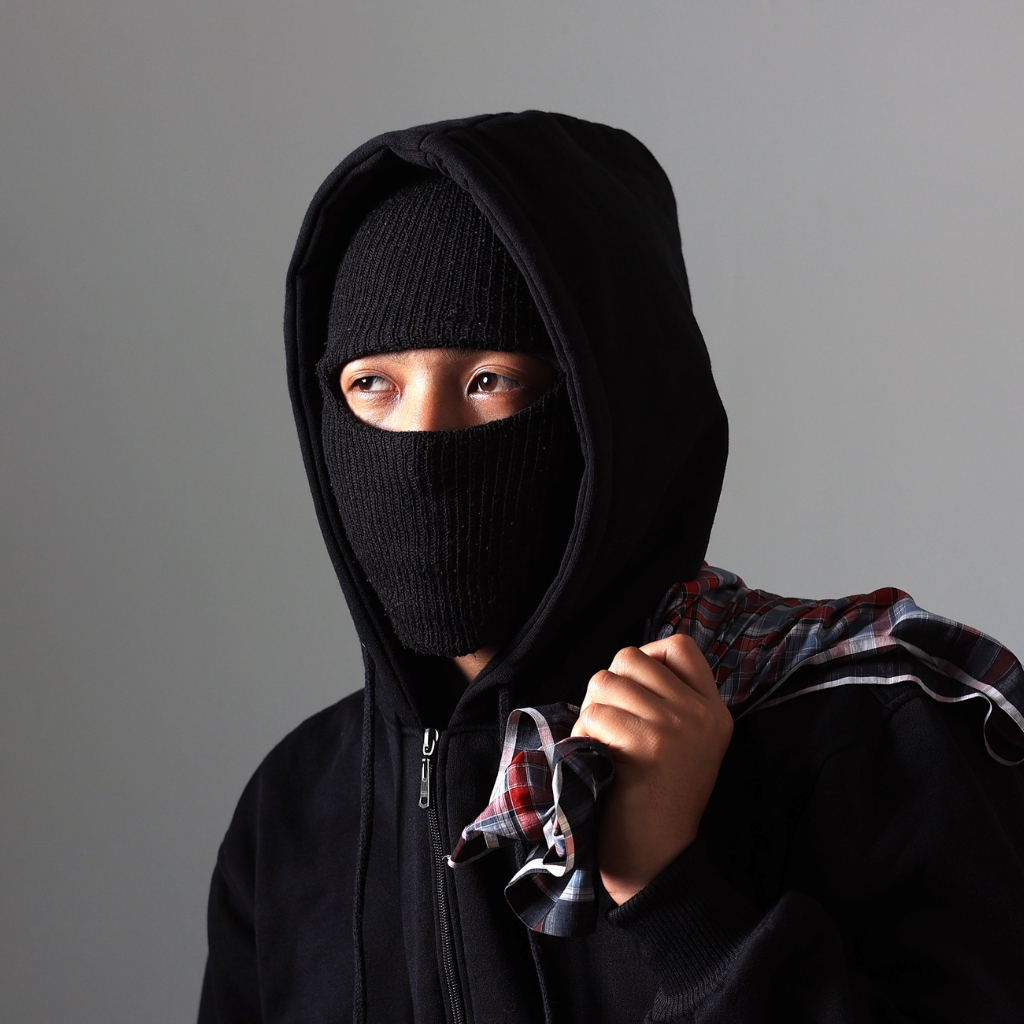
A balaclava is a one-piece head garment that covers the head, neck, and, on occasion, the face. It provides full coverage and flexibility, unlike a simple hat or scarf. Depending on the type, it can cover the eyes, the mouth, or even the entire face. Skiers often seek out adjustable balaclavas to accommodate varying weather conditions.
Synthetic materials, especially polyester, fleece, and merino wool, have become the standard for balaclavas. These materials trap body heat and promote evaporative cooling to keep a person warm withou cooling. The tight fit prevents cold air from encircling the person by passing under the helmet or jacket.
read more. What Is a Balaclava
Why Skiers Wear Balaclavas
Frostbite and irritation are common during skiing, due to a combination of wind, cold temperatures, and snow. A balaclava decreases risk by acting as a protective barrier. It freezes air and muscle relaxing balaclavas block face and neck circulation.
Balaclavas manage moisture. Sweating while skiing can lead to freezing moisture on skin if not properly dealt with. A balaclava effectively wick moisture to keep skin and balaclavas dry and warm. The balaclava also helps prevent helmet-strap and goggle chafing.
Hygiene is another reason skiers wear balaclavas, especially with rented helmets. A balaclava worn inside a shared helmet maintains cleanliness and increases comfort during use.
Other Activities Where a Balaclava is Beneficial
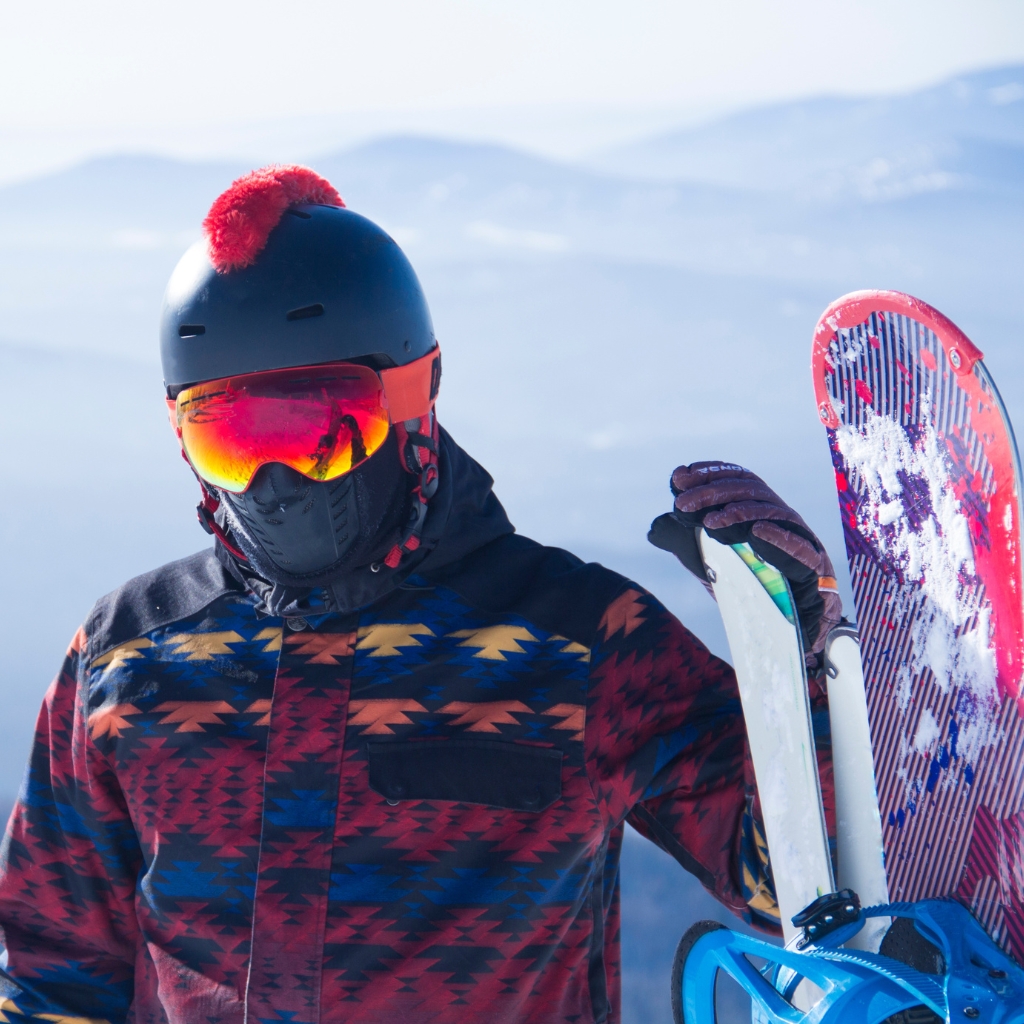
Skiing is a common activity where a balaclava is used, but it is not the only one. Other winter outdoor activities like snowboarding, snowmobiling, and mountaineering also use balaclavas. Balaclavas are also used by cyclists riding in winter and motorcyclists on long rides with windchill.Outside the world of sports, balaclavas function as protective equipment for people who work in cold weather conditions like mountain rescue teams, construction workers, and soldiers in the field. Some people wear lighter versions for winter dog walks or early morning runs.
While skiing, balaclavas are worn under the helmet or goggles. Their close fit and stretchable design ensure there are no gaps between equipment to prevent cold air from slipping in.
Process of Making Ski Balaclavas
Crafting ski balaclavas employs both traditional and modern techniques. It begins with fabric selection. For winter sports, insulation and wickable are key properties of fabrics like merino wool, fleece, spandex blends, and polyester microfiber.
Once fabric selection is complete, the design contains several paned pieces which will contour to the head and neck. These pieces are stitched together with care, often employing flatlock methods to mitigate discomfort from rubbing. High-end balaclavas achieve seamless construction or minimal-seam stitching for enhanced comfort and longevity.
Moisture-wicking layers may be used for the inner lining, while the outer surface is designed to repel wind and snow. Certain models offer mesh panels for mouth and nose area ventilation, facilitating easy exhalation and condensation management on goggles.
After the stitching and finishing, the balaclava is inspected for quality regarding its elasticity features, comfort, and overall fit. It is designed to be a lightweight, flexible, and weather-resistant hood as part of the requirements for a balaclava after the quality inspection.
Different Skiing Balaclavas
Based on needs and preferences, a skier has many options to choose from. They may pick the prepared full-face balaclava model which leaves the eyes unshielded as it provides the greatest warmth. The half-face model leaves the lower face open for easier breathing and talking while the hooded type fits comfortably under a helmet as well as protecting the neck and ears.
Some updated systems allow used to be called skewing the modular systems of equipment to be used as neck gaiters while the soft and adaptable systems allow for stretchable fabrics. Windproof and thermal models specifically made for high skiing offer the strongest protection.
Advantages of Wearing a Balaclava While Skiing
Wearing a balaclava protects your skin from frostbite and windburn, hazards of skiing in subzero temperatures. Balaclavas prevent excessive heat loss from head and neck, helping the skier maintain a constant temperature.
While skiing, the balaclava helps the skier concentrate and increases the time he or she can spend on the slopes. There is no need to constantly adjust a scarf, and the snug, close-fitting collar prevents snow from getting in.
Skiers appreciate the balaclava for its style and it can be worn with ski jackets, helmets and scarves, increasing its functionality.
Factors to Consider When Selecting a Balaclava for Skiing
The material and fit of a balaclava are the most important factors to consider for skiing. While Merino wool is soft, natural, and odor-resistant, making it a good option for skiing, polyester or spandex blends are less costly and dry quickly. They are also less costly, dry quickly and maintain warmth.
The balaclava must fit comfortably under a helmet, and not be constricting. While skiing in warmer temperatures, the skiers should look for the balaclava with ventilations. The insulative properties should be high, and it should not be made from inexpensive thin material. Protective and durable, high quality balaclavas are a good investment.
Ski Balaclavas Care and Maintenance
The performance and longevity of your Balaclava depend on how you care for it. Prior to washing your balaclava, it is important to check the care label. Generally, you can wash your balaclava on gentle cycle and with mild detergent. Do not use fabric softener and bleach because it will reduce breathability.
It is best to air dry your balaclava. It is dry as well as heater and dryer combo contains fiercely hot air that will destroy with heaven and elastic fibers. Frequent use is a sign that it should be washed often so that the build ups of sweat, dirt, and bacteria do not accumulate too much. Maintenance is highly important in not only keeping it fresh and soft, but also so that it is ready and comfortable for every ski trip.
The Role of Balaclavas in Modern Skiing Culture
In addition to being essential in keeping warm, Balaclavas have become an essential piece in skiing fashion. Leading ski companies have adopted the winter trends and turned Balaclavas into a trendy seasonal accessory. Fashionable Balaclavas are branded with reflective logos, ski fashion aesthetics, and trendy cuts. Athletes and winter influencers on social media use Balaclavas to complete their ski fashion aesthetics.
It is now commonplace in ski resorts to have Balaclavas sold right next to winter goggles and gloves. Children of all ages, ski instructors and even professional racers use Balaclavas for comfort. Balaclavas are a versatile piece of gear in modern skiing and for skiing.
Conclusion
Skiing in cold temperatures without a balaclava can be rough. This simple accessory protects your face, neck, and scalp from the harshest cold temperatures. As the balaclava keeps the skier dry, it also prevents the balaclava from freezing. This accessory is easy to forget and is light, yet it is essential to modern ski attire.
A good balaclava feels good when skiing and is a great addition to cold weather ski attire. It gives the skier confidence to take on the mountain and is a great accessory to have when skiing.
FAQs
A balaclava protects your face and neck from cold wind, snow, and moisture, keeping you warm and comfortable.
Yes, most balaclavas are designed to fit comfortably under helmets without adding bulk.
Merino wool and moisture-wicking polyester blends are the best choices for warmth and breathability.